Wind and Solar Overtake Gas: What the Renewable Energy Milestone Means for the Planet
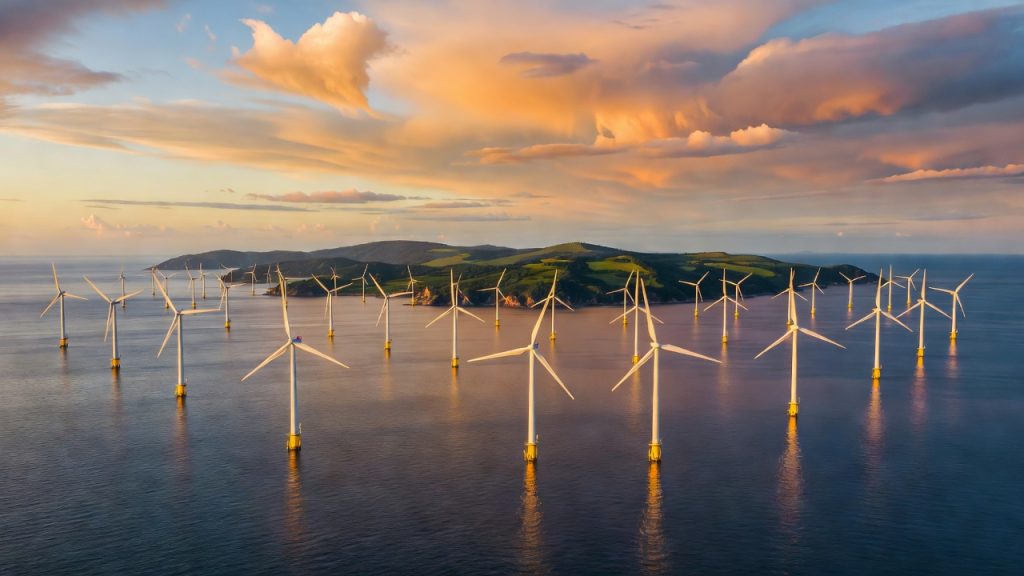
For the first time in history, wind and solar power have generated more electricity globally than natural gas. It is a milestone that would have seemed implausible just a decade ago, and it arrives at a moment of profound tension in global environmental policy — between accelerating clean energy transitions and intensifying political resistance to climate action. Understanding what this shift means, and what threatens to slow it down, is essential for citizens, businesses, and policymakers alike.
A Historic Turning Point for Renewable Energy
The data is unambiguous: renewables are no longer the future — they are the present. Wind and solar combined have crossed a threshold that signals a structural transformation of the global energy market, not merely a temporary fluctuation. This transition carries enormous implications for climate change mitigation, as the electricity sector remains one of the largest sources of greenhouse gas emissions worldwide.
From a European perspective, this milestone validates years of ambitious environmental policy. The EU’s Green Deal and its REPowerEU plan — accelerated in response to the energy crisis triggered by Russia’s invasion of Ukraine — have helped drive renewable capacity to record levels across the continent. Germany, Spain, and Denmark have all posted landmark figures in wind and solar output. For investors and businesses operating in Europe, the message is clear: the economics of clean energy are now structurally superior to those of fossil fuels, and the transition is irreversible in market terms.
Countercurrents: Political Rollbacks and Climate Risks
Yet the global picture is far from uniformly optimistic. The Trump administration in the United States is pursuing an aggressive agenda to dismantle climate policy: withdrawing from the Paris Agreement, revoking key EPA emissions regulations, and fast-tracking oil and gas drilling on federal lands. This rollback does not merely affect American pollution levels — it weakens the international architecture of environmental policy and emboldens fossil fuel interests globally.
Meanwhile, nature itself is sending urgent warnings. Forecasters predict a significant El Niño weather phenomenon will emerge within weeks, threatening to push global temperatures to record highs and trigger the fifth mass coral bleaching event in recorded history. Coral reefs, which support approximately 25% of all marine biodiversity, are already under severe stress from ocean warming and acidification. A major bleaching event would represent a catastrophic blow to marine conservation efforts worldwide.
On a more constructive note, approximately 60 nations — including Brazil, Germany, Canada, and Nigeria — are convening their first dedicated international meeting to deliberate on the phased elimination of fossil fuels. This gathering, taking place against the backdrop of disrupted global oil markets linked to the conflict in Iran, reflects a growing consensus that the energy transition must be managed multilaterally, with particular attention to equity for developing nations.
Europe’s Role and the Road Ahead
Europe stands at a crossroads between ambition and execution. The continent has demonstrated that aggressive renewable energy targets are achievable, but several challenges remain:
- Grid infrastructure must be modernised and expanded to handle the variability of wind and solar generation.
- Industrial decarbonisation — in steel, cement, and chemicals — lags behind the power sector and requires urgent policy attention.
- Biodiversity and conservation must be integrated into energy planning; poorly sited wind farms and solar parks can damage ecosystems if not carefully regulated.
- Carbon pricing needs to be robust and consistent — a lesson reinforced by Canada and Alberta’s expected agreement to raise carbon pricing for industrial polluters, a model that European policymakers will be watching closely.
The interplay between renewable energy expansion and biodiversity protection is particularly important. Scaling up clean energy must not come at the cost of natural habitats. Environmental policy frameworks, including the EU’s Nature Restoration Law, are designed to ensure that the green transition does not create new forms of ecological damage.
Key Takeaway
The global overtaking of gas by wind and solar is a genuine turning point — proof that the clean energy transition is real, accelerating, and economically driven. But it is not sufficient on its own. Climate change, biodiversity loss, and pollution remain existential challenges that require coherent, sustained environmental policy at every level of governance. As political headwinds intensify in some parts of the world, Europe’s commitment to leading by example has never been more consequential — or more scrutinised.