ESG Under Pressure: U.S. Rollbacks and European Milestones Reshape the Global Sustainability Landscape
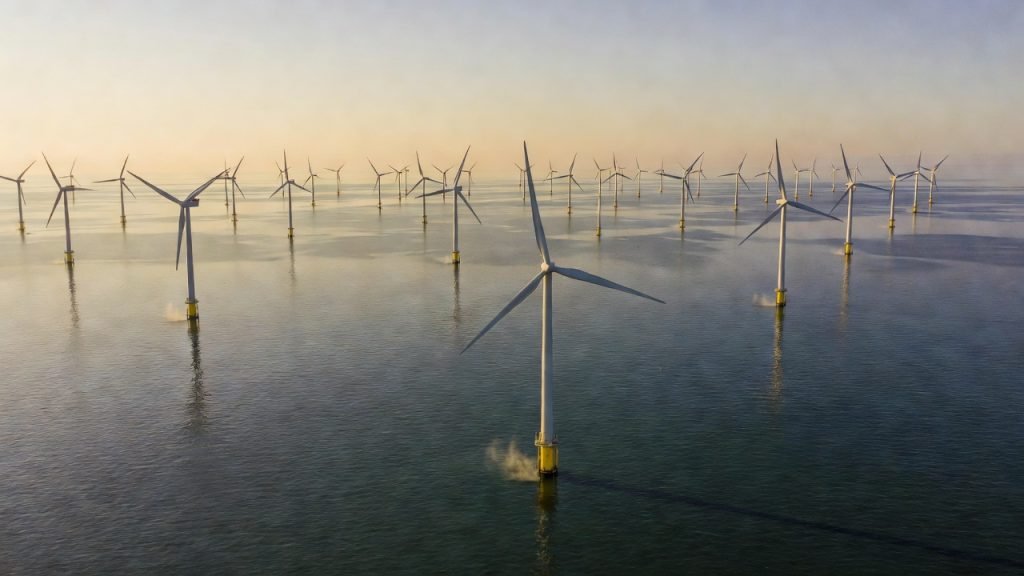
The global sustainability agenda is rarely linear — and this week offered a sharp reminder of that reality. While Europe celebrated a landmark milestone in renewable energy, the United States moved decisively to dismantle key environmental protections. For businesses, investors, and policymakers navigating the ESG landscape, the divergence has never been more consequential.
U.S. Policy Rollbacks: A Threat to Corporate Responsibility Standards
The Trump administration finalized a significant regulatory change removing language designed to prevent damage to wildlife habitats in federal agency actions. The move, reported by Reuters, strips out longstanding safeguards under the Endangered Species Act and signals a broader retreat from environmental governance at the federal level.
Simultaneously, the U.S. Environmental Protection Agency (EPA) proposed easing emissions rules for heavy trucks and engines — rules originally adopted under the Biden administration in 2023. For multinational corporations with green transport commitments embedded in their ESG reporting, this creates a double bind: regulatory pressure is easing in the U.S. just as European standards are tightening under frameworks like the Corporate Sustainability Reporting Directive (CSRD).
These rollbacks do not occur in a vacuum. Global supply chains, institutional investors, and sustainability-linked financing instruments are increasingly sensitive to policy risk. A weakening of U.S. environmental standards can undermine the credibility of corporate responsibility pledges made by companies operating across both markets, and may trigger reassessments in ESG ratings and green business benchmarks.
Europe’s Mixed Signals: Wind Energy Wins, Heating Law Retreats
Against this backdrop, Europe delivered both progress and setbacks of its own. On the positive side, Poland’s first offshore wind farm — the Baltic Power project, developed by Canada’s Northland Power and Polish energy giant Orlen — generated its first electricity this week. The project is a milestone not only for Poland’s energy transition but for sustainable finance across Central and Eastern Europe, demonstrating that private capital can drive clean energy deployment even in markets historically dependent on coal.
However, Germany’s parliament passed a heating law that scraps the requirement for new buildings to derive at least 65% of their energy from renewable sources — reversing a previous climate mandate that had been a cornerstone of the country’s building decarbonisation strategy. The decision reflects the growing tension between energy security concerns, affordability pressures, and long-term climate commitments — a tension that is reshaping political consensus across the EU.
For the circular economy and green building sectors, Germany’s retreat sends a troubling signal. Buildings account for approximately 40% of energy consumption in the EU, and weakening renovation and construction standards risks locking in fossil fuel dependency for decades.
Extreme Weather: The Business Case for Acting Now
Adding urgency to the policy debate, the World Meteorological Organization reported record-breaking sand and dust storms in 2025, affecting regions from China to the U.S.-Mexico border. These events disrupted transport networks, damaged infrastructure, and posed serious public health risks — offering a stark illustration of the physical risks that underpin the ESG investment thesis.
For companies integrating climate risk into their sustainability strategies, extreme weather is no longer a distant scenario. It is a present-day operational and financial exposure. The Task Force on Climate-related Financial Disclosures (TCFD) framework and the EU’s own sustainability reporting standards increasingly require businesses to quantify and disclose precisely these kinds of physical risks.
Implications for ESG Investors and Green Business Leaders
- Regulatory divergence between the U.S. and EU is widening, creating compliance complexity for multinationals and potential competitive advantages for Europe-focused green businesses.
- Sustainable finance flows into renewable energy — as demonstrated by the Baltic Power project — remain robust, even as political headwinds grow in some markets.
- Physical climate risks are accelerating, reinforcing the material relevance of ESG frameworks for long-term corporate resilience.
- Policy reversals in major economies can erode stakeholder trust and complicate the corporate responsibility narratives that underpin ESG valuations.
Key takeaway: This week’s developments confirm that sustainability is not a smooth, upward trajectory — it is a contested terrain shaped by political cycles, energy economics, and climate reality. For European businesses and investors committed to the green transition, the lesson is clear: robust internal ESG frameworks, anchored in science and aligned with EU standards, are the most reliable hedge against the volatility of global policy. The milestones, like Poland’s offshore wind breakthrough, prove the transition is possible. The rollbacks remind us it is never guaranteed.