Gene-Edited Crops Are Reshaping Global Food Systems — What Europe Needs to Know
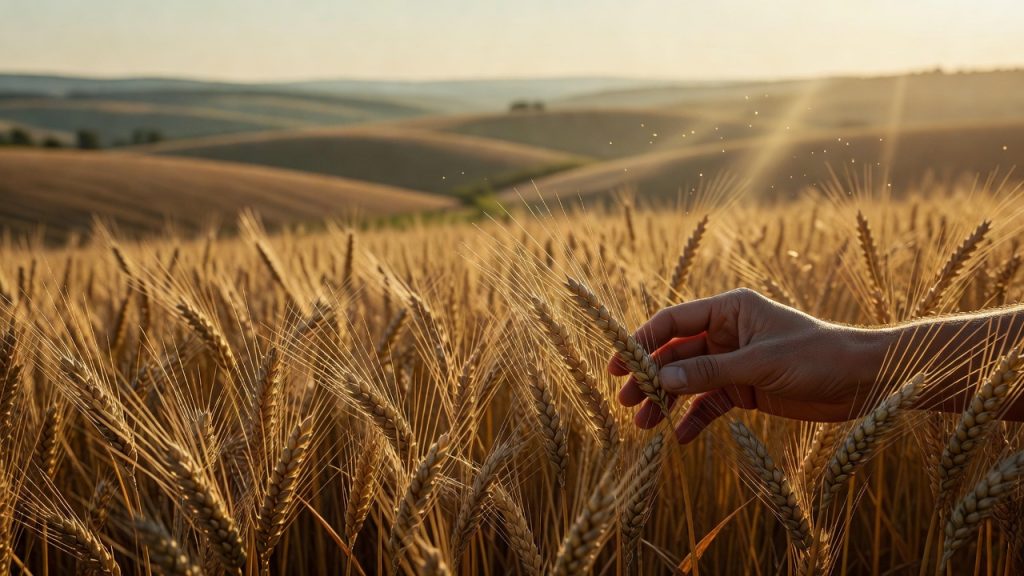
A quiet regulatory decision in Chile may have just accelerated one of the most significant shifts in global food systems in a generation. In 2025, Chile’s Agricultural and Livestock Service (SAG) confirmed that CRISPR-edited wheat lines — engineered to contain 5 to 10 times more dietary fiber than conventional varieties — do not qualify as GMOs under national law. The ruling clears the path for field cultivation without the lengthy approval processes typically associated with genetically modified organisms, setting a landmark precedent across the Americas. For European policymakers and sustainability advocates watching from across the Atlantic, the implications are hard to ignore.
A New Wave of Gene-Edited Crops for Climate and Nutrition
Chile’s approval is not an isolated case. Across the globe, gene-editing technologies — particularly CRISPR-Cas9 — are being deployed to tackle two of the most urgent challenges facing our food supply: climate resilience and nutritional quality. In the UK, biotech company Alora has developed heat-tolerant rice variants that reportedly achieve up to 273% higher yields at temperatures above 40°C, paving the way for the country’s first large-scale rice field trial. Meanwhile, Argentina is set to approve 11 new GM crops in 2025, including insect-resistant corn and soybean varieties developed by Chinese-owned firms — a signal that Latin America is moving fast toward biotech-driven agriculture.
These developments matter for sustainable agriculture not only as technological milestones, but as responses to a climate reality that is already disrupting supply chains. Heat stress, drought, and shifting growing seasons are eroding yields across traditional agricultural regions. Gene-edited crops designed for resilience could become a critical tool in maintaining food security — particularly for plant-based food systems that depend on stable grain and legume supply chains.
Regulation, Risk, and the European Dilemma
Europe finds itself at a crossroads. The EU has historically maintained some of the world’s strictest regulations on genetically modified organisms, but the European Commission has been working since 2023 on a New Genomic Techniques (NGT) regulation that would distinguish between gene-edited plants (which involve no foreign DNA) and traditional GMOs. Progress has been slow, partly due to opposition from organic farming associations and agroecology advocates who argue that regulatory shortcuts could undermine biodiversity protections and consumer trust.
The tension is real. On one side, there is growing scientific consensus that precision gene editing is fundamentally different from transgenic modification. On the other, critics — including many within the European agroecology movement — warn that fast-tracking these technologies risks repeating past mistakes: prioritising yield and industrial efficiency over ecosystem health, farmer autonomy, and long-term soil resilience. The concern is not just about the science, but about who controls the seeds, who profits, and what happens to agricultural biodiversity when a handful of biotech firms dominate the supply chain.
Investment Volatility and the Road Ahead for Sustainable Ag
The financial landscape adds another layer of complexity. According to Pitchbook analysts, sustainable agriculture deal activity dropped by 25% in recent periods, with multiple bankruptcies across the sector. Yet analysts anticipate a rebound, driven by climate pressures and evolving policy frameworks. This volatility reflects a broader restructuring: investors are becoming more selective, favouring solutions with clear regulatory pathways and scalable impact — exactly the kind of environment where gene-edited crops, once approved, could attract significant capital.
On the regulatory side, even the United States EPA has moved to implement its strongest-ever protections against over-the-top dicamba use on cotton and soybeans, acknowledging the environmental damage caused by drift-prone herbicides. It is a reminder that agricultural biotechnology and chemical dependency are deeply intertwined — and that sustainable food systems require systemic thinking, not just technological fixes.
What This Means for Europe and the Global Food Transition
For European citizens, professionals, and decision-makers, the key takeaway is this: the global regulatory map for gene-edited crops is being redrawn right now, and Europe risks being left behind — or alternatively, risks rushing ahead without adequate safeguards. A balanced approach would:
- Distinguish clearly between gene editing and transgenic GMOs in EU law
- Ensure transparency and labelling so consumers can make informed choices
- Protect agroecological and organic farming systems from supply chain pressures
- Support public research into gene-edited crops for climate adaptation, not just commercial yield
The future of sustainable agriculture will not be decided by technology alone. It will be shaped by the regulatory frameworks, investment priorities, and democratic choices we make in the next few years. Chile has made its move. Europe must now decide what kind of food system it wants to build.