U.S. Intensifies Economic Pressure on Iran: Geopolitical Shifts – Aug 21, 2026
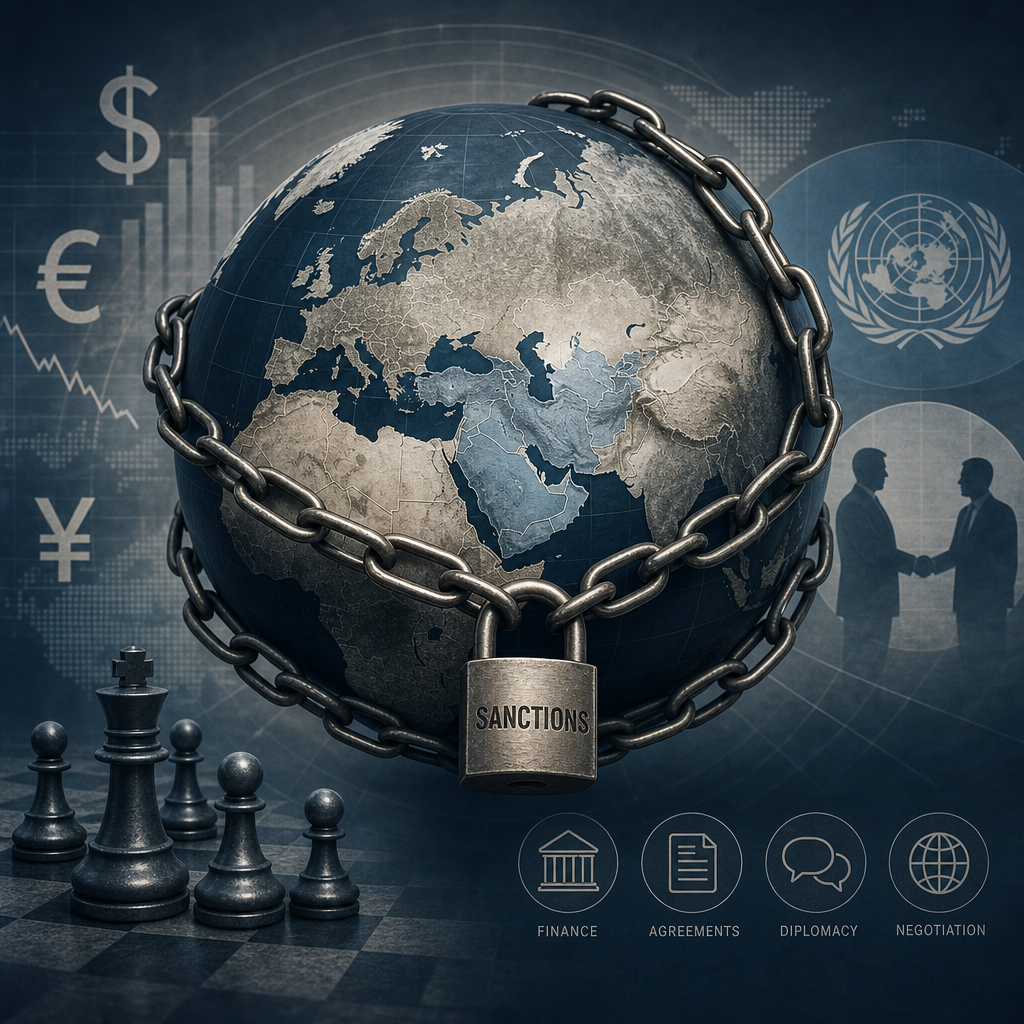
As geopolitical tensions mount, the United States initiates a campaign aimed at intensifying economic pressure on Iran, seeking to rally global allies to further isolate Tehran. This move is poised to reshape diplomatic relations across the Middle East and beyond, marking a significant moment on the world stage.
The Geopolitical Escalation
The U.S. strategy represents a heightened escalation in the ongoing confrontation regarding Iran’s nuclear ambitions and regional influence. This isn’t just another round of sanctions; it’s a strategic shift towards multilateral pressure. By building an international coalition, Washington aims to convert a bilateral issue into a global effort, raising the stakes for Europe, China, and Gulf states, each with their own strategic interests.
Historical Context
The U.S.-Iran relationship has long been marked by tension, revolving around uranium enrichment and proxy conflicts. Economic coercion has been a key tool, but enforcing measures consistently has proven challenging. This latest U.S. initiative is framed as an attempt to “collapse” Iran’s economy, indicating a more confrontational strategy than routine sanctions maintenance.
Implications of the Campaign
The potential repercussions are substantial. Should the campaign succeed, Iran might face severe economic strain, leading to inflation and shortages. Conversely, failure to secure international support could reveal divisions among allies, undermining future pressure efforts. The Middle East’s volatility and global energy security are intricately linked, with potential disruptions in key shipping routes affecting global markets.
International Alliances and Responses
The strategic approach touches on international alliances’ dynamics. Europe’s response, given its historical preference for diplomacy with Iran, will be pivotal. A united front with the U.S. could increase pressure on Iran, while divergence might weaken the stance. China’s decision to align with or oppose this campaign will also have significant implications, influencing the broader geopolitical balance.
The Role of Gulf States
The Gulf states have complex relationships with Iran, characterized by competition and cautious diplomacy. Their alignment with the U.S. strategy could further shape the regional diplomatic landscape. This development encapsulates a pivotal moment in international relations, potentially altering how global powers address regional challenges.
In conclusion, the campaign to intensify economic pressure on Iran is more than a strategic initiative; it’s a turning point in global diplomacy. Monitoring this situation remains crucial as it holds the potential to shape the future of one of the world’s most volatile regions. Share your thoughts in the comments below.