From Food Waste to Farm Water: How U.S. Policy Moves Signal a Shift Toward Circular Food Systems
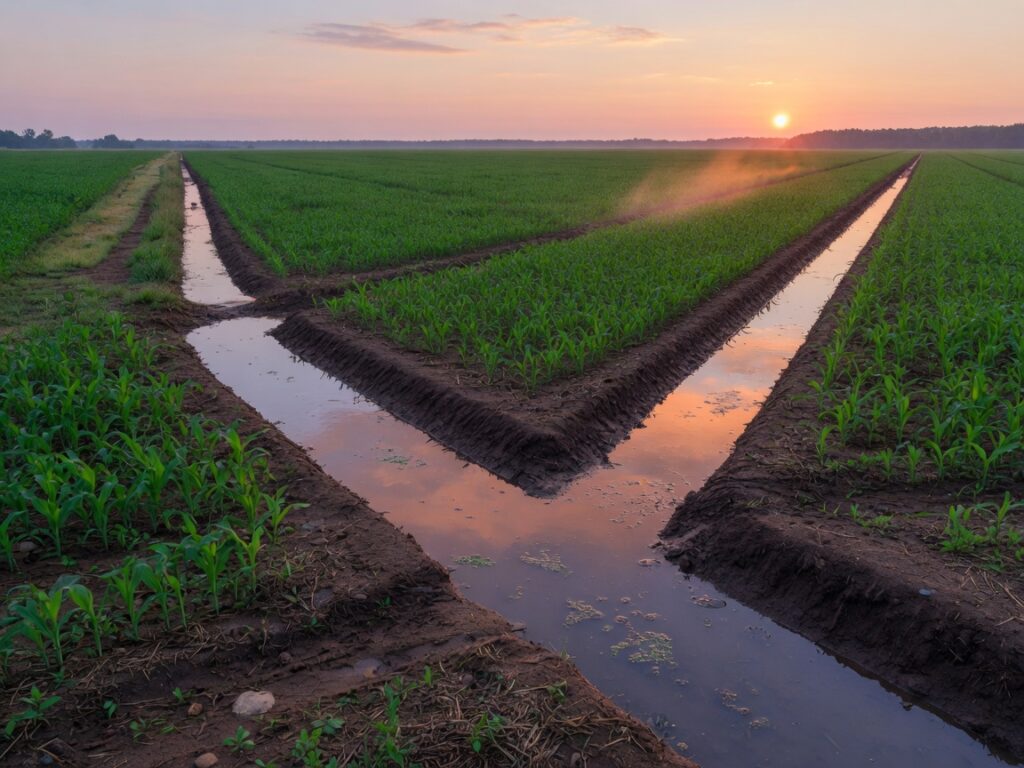
A cluster of announcements from the U.S. Environmental Protection Agency this week offers a useful lens for anyone tracking the future of sustainable agriculture and food systems — not just in North America, but across Europe and beyond. The EPA’s new ‘Feed It Onward’ initiative, paired with fresh rural water grants and a proposal granting Colorado greater authority over underground water permits, signals a policy environment increasingly willing to treat food waste, farm runoff, and water infrastructure as interconnected sustainability challenges rather than isolated issues. For European observers, the pattern is familiar: it echoes the EU’s own Farm to Fork ambitions and circular economy targets, even as the specific instruments differ.
Food Waste as a Systems Problem
‘Feed It Onward’ is designed to tackle food waste and strengthen food security simultaneously — a pairing that reflects a maturing understanding of agroecology and food-system efficiency. Roughly a third of food produced globally is lost or wasted, according to the UN Food and Agriculture Organization, a figure that has remained stubbornly high despite years of awareness campaigns. What makes this initiative notable is its framing: waste reduction is presented not merely as an environmental fix but as a food-security lever, redirecting surplus toward people who need it.
This logic mirrors European efforts such as France’s food-waste hierarchy laws and Italy’s own Gadda Law, both of which prioritize redistribution over disposal. For businesses in logistics, retail, and waste management, these policy signals — on both sides of the Atlantic — suggest growing regulatory and reputational incentives to invest in redistribution infrastructure, better date-labeling practices, and waste-tracking technology.
Water, Nutrients, and the Business of Farm Resilience
Alongside the food-waste initiative, the EPA earmarked $3.7 million for nutrient-management technical assistance in the Western Lake Erie Basin — a region long affected by agricultural runoff and harmful algal blooms — plus $30.7 million for rural drinking-water and wastewater systems. These investments target a persistent tension in sustainable agriculture: how to maintain productive farmland while protecting shared water resources.
The private sector is moving in parallel. PepsiCo and Compeer Financial are backing strip-till financing programs that reduce soil disturbance and erosion, while Tilda has expanded its sustainable rice programme to 3,840 farms, reporting measurable reductions in emissions and water use. These initiatives point to a broader trend: supply chain sustainability increasingly depends on financing structures that de-risk conservation practices for farmers, rather than relying solely on voluntary adoption.
- Nutrient management grants aim to curb runoff-driven water pollution at its agricultural source.
- Strip-till financing lowers the cost barrier for farmers adopting soil-conserving practices.
- Rice programme scaling demonstrates how large buyers can drive measurable emissions and water reductions across thousands of farms.
Retail Shelves and the Rise of Lower-Impact Ingredients
Consumer-facing signals reinforce the trend. Tesco has introduced ‘low-carbon’ potatoes to UK shelves, giving shoppers a direct, product-level connection to farm-level decarbonization. Meanwhile, Innovafeed’s shift toward commercial-scale insect protein production, backed by €51 million in new financing, illustrates continuing investor appetite for alternative proteins that reduce pressure on land and water compared with conventional livestock feed. Together with the steady expansion of plant-based product lines across European retailers, these developments show that lower-impact food options are moving from niche positioning toward mainstream shelf presence.
What This Means for Businesses and Citizens
For decision-makers, the throughline across these stories is integration: food waste, water quality, farm financing, and retail sourcing are no longer treated as separate silos but as parts of one resilient food system. Companies operating in waste management, nutrient technology, or agri-finance should expect growing public co-investment opportunities, particularly where private capital can be paired with government grants. Citizens, meanwhile, stand to benefit from cleaner rural water supplies, reduced household food waste, and more transparent low-carbon product labeling at the point of purchase.
Europe’s own regulatory trajectory — from the Farm to Fork Strategy to national food-waste laws — suggests these U.S. developments are part of a wider, global convergence rather than an isolated policy experiment.
Key Takeaway
Whether through EPA grants, retailer partnerships, or agri-fintech innovation, the message is consistent: building resilient food systems requires coordinated action across waste, water, and supply chains — a lesson increasingly shared between American and European sustainability agendas.