Europe’s Electrification Push: How Energy Security Is Reshaping the EU’s Sustainability Agenda
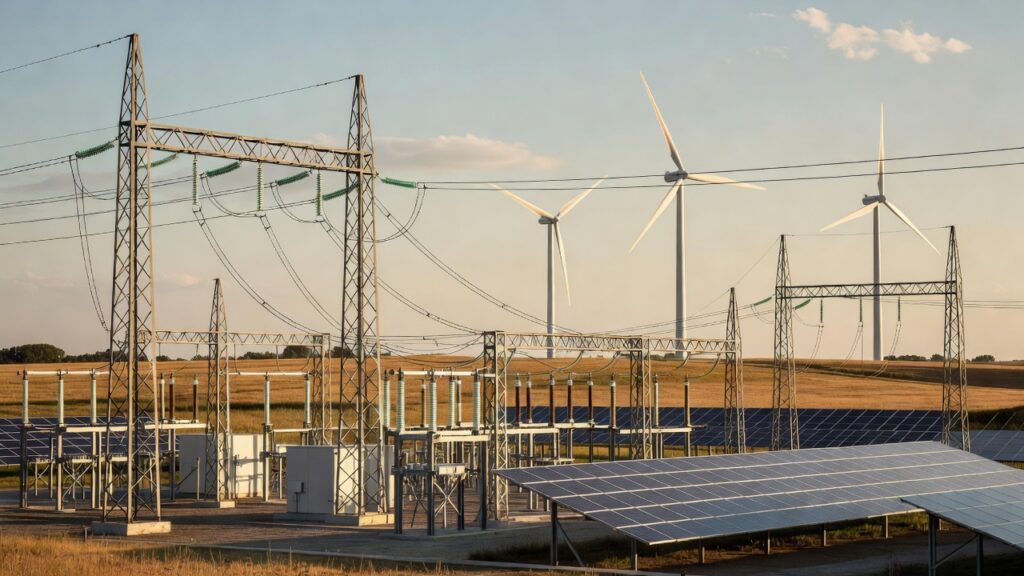
The European Commission is preparing a sweeping package of policies and funding designed to accelerate electrification across the EU economy, reduce dependence on oil and gas, and shore up energy security after supply disruptions linked to the Iran war, according to Reuters. The plan marks one of the clearest signals yet that geopolitical shocks, not just climate targets, are now driving Europe’s sustainability agenda — with direct consequences for corporate responsibility, industrial competitiveness, and household energy bills.
For citizens and decision-makers alike, this is more than an energy policy footnote. It is a structural shift that will touch sustainable finance, regulatory compliance, and the pace at which businesses across the continent must adapt their operations.
Electrification as an Energy Security Strategy
The Commission’s draft plan aims to shift industry, transport, and heating toward electric alternatives, reducing the EU’s exposure to volatile fossil fuel markets. The urgency follows recent instability tied to the Iran war, which exposed how fragile global oil and gas supply chains remain — and how quickly disruptions can ripple into European energy prices.
This isn’t purely a climate story; it’s a resilience story. Electrification reduces import dependency, strengthens strategic autonomy, and aligns with the EU’s broader green business transition goals. However, the transition carries trade-offs. Reuters also reports that EU restrictions on Chinese-made solar inverters, introduced for supply-chain security reasons, could slow or even halt renewable deployment in lower-income EU member states that rely heavily on public subsidies. This tension between securing supply chains and maintaining the speed of decarbonization will be a defining ESG challenge for 2025 and beyond.
Carbon Pricing Expands to Harder-to-Abate Sectors
In parallel, the EU is moving to bring waste incineration plants into its Emissions Trading System (ETS). This would place a direct carbon price on the waste sector for the first time, raising compliance costs for operators while creating stronger financial incentives for waste prevention, recycling, and emissions control technology.
For companies operating in waste management, logistics, and manufacturing, this signals a broader regulatory trend: carbon pricing is steadily expanding beyond power generation and heavy industry into sectors previously considered peripheral to climate policy. Businesses with strong circular economy practices — prioritizing reuse, recycling, and waste reduction — will be better positioned to absorb these new costs, while laggards face rising compliance burdens.
This expansion also reinforces a pattern investors are watching closely under ESG frameworks: regulatory tightening is no longer confined to energy-intensive giants. Mid-sized firms in waste, transport, and materials sectors should expect increased scrutiny and disclosure requirements as carbon pricing mechanisms broaden.
Climate Adaptation Moves From Theory to Urgent Practice
Western Europe just recorded its warmest June on record, with heatwaves disrupting power supplies and forcing school closures across multiple countries. The event is a stark reminder that climate adaptation is no longer a future planning consideration — it is an operational reality affecting grids, public services, and business continuity today.
This growing climate risk adds another layer to the electrification debate: as extreme heat increases electricity demand for cooling while simultaneously straining grid infrastructure, Europe’s energy transition must be built with resilience, not just decarbonization, in mind.
Meanwhile, corporate investment in alternative fuel pathways continues. Indonesian state energy firm Pertamina and Boeing recently signed a memorandum of understanding to explore sustainable aviation fuel (SAF) development — a sign that corporate responsibility commitments in hard-to-decarbonize sectors like aviation remain active, even amid broader energy security concerns.
What This Means for Businesses and Investors
- Companies should prepare for expanding carbon pricing beyond traditional sectors, particularly in waste and materials management.
- Supply-chain diversification — especially in renewable energy components — will become a strategic ESG priority, not just a cost consideration.
- Climate adaptation investment (grid resilience, cooling infrastructure, heat-resistant public services) is now a near-term necessity, not a long-term aspiration.
- Sustainable finance flows are likely to favor firms demonstrating both decarbonization progress and supply-chain resilience.
Key Takeaway
Europe’s accelerated electrification plan reflects a fundamental shift: energy security and sustainability are now inseparable policy objectives. As carbon pricing expands, supply chains face new constraints, and climate impacts intensify, businesses and investors across Europe — and beyond — must treat resilience, circularity, and regulatory foresight as core components of their sustainability strategy, not optional extras.