Europe’s Electrification Gamble: How the EU Plans to Cut Oil and Gas Dependence Amid Climate and Geopolitical Pressure
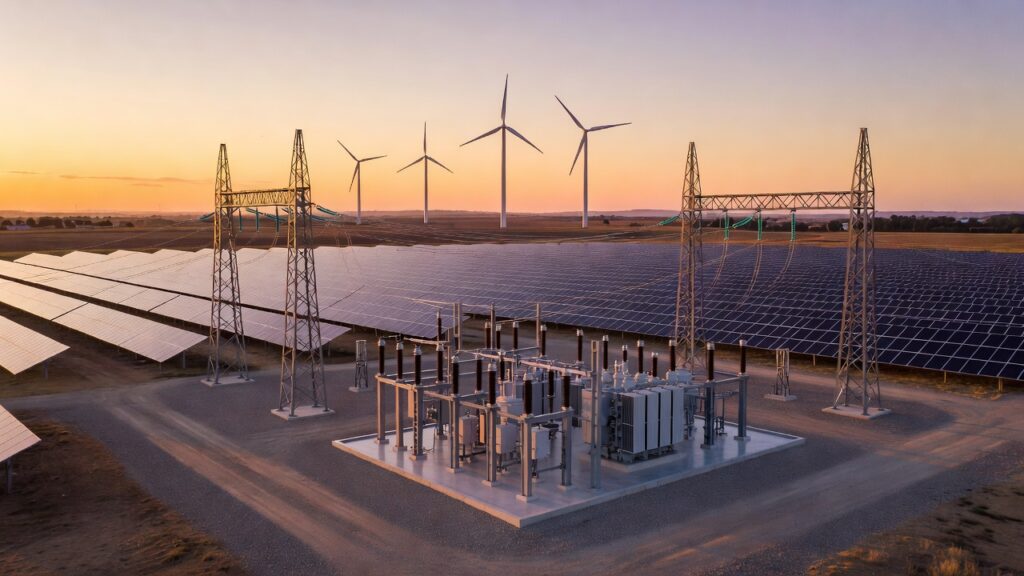
The European Commission is preparing a sweeping package of policies and funding aimed at accelerating electrification across the EU economy, according to Reuters. The plan, driven partly by concerns over oil and gas supply disruptions linked to the recent Iran-related crisis, signals a strategic pivot: Brussels wants to insulate European households, industry, and public services from volatile fossil fuel markets by pushing electricity — increasingly generated from renewables — to the center of the continent’s energy system.
This is not happening in isolation. It comes alongside a record-breaking heatwave, an expanding carbon market, and a delicate industrial policy debate over who supplies the clean-tech hardware Europe needs. Together, these developments outline the next phase of EU sustainability and climate policy — one where energy security, corporate responsibility, and green industrial strategy are increasingly intertwined.
Electrification as an Energy Security Strategy
The Commission’s draft package reportedly includes funding mechanisms and regulatory incentives to shift transport, heating, and industrial processes away from oil and gas toward electric alternatives. The timing is notable: the plan follows heightened anxiety over Middle East supply routes and reflects a broader EU pattern since 2022 of treating energy dependence as a strategic vulnerability, not just an environmental one.
For businesses, this could mean new capital expenditure decisions around electrified fleets, heat pumps, and industrial process upgrades. For households, it may translate into shifting incentive structures — potentially higher upfront costs offset by long-term savings and subsidies. Analysts note that successful electrification depends heavily on grid capacity, renewable generation growth, and affordable storage — all areas where EU member states remain unevenly prepared.
Carbon Pricing Expands — and So Does the Pressure on Industry
In a parallel move, EU officials confirmed that waste incineration plants will be brought into the bloc’s Emissions Trading System (ETS). This extends carbon costs to a sector previously outside direct compliance pressure, pushing waste operators toward emissions reductions and, indirectly, toward improved recycling and circular economy practices. It’s a clear example of how carbon pricing is becoming a tool not just for power and heavy industry, but for waste management systems that have long been overlooked in climate accounting.
At the same time, Reuters reports the EU is weighing limits on funding for Chinese-made solar inverters, a move framed as industrial policy protection but one that renewable energy developers warn could slow deployment, particularly in lower-income EU member states that rely on public financing for solar and wind projects. This tension — between supply-chain resilience and deployment speed — is becoming a defining feature of Europe’s clean-tech strategy, echoing similar debates in the US and Asia over critical mineral and hardware sovereignty.
Climate Impacts Are Already Here
These policy shifts are unfolding against a stark backdrop: EU scientists confirmed that Western Europe experienced its warmest June on record, with heat disrupting power grids and forcing school closures in several countries. The event is a reminder that climate adaptation and mitigation are no longer separate conversations — extreme heat is now a direct stress test for the very electrical infrastructure the EU wants to expand and rely on more heavily.
Elsewhere, momentum in sustainable finance continues to build. Indonesia’s Pertamina and Boeing signed an MoU to explore sustainable aviation fuel, part of a broader wave of clean-energy financing, ESG reporting initiatives, and transition-infrastructure partnerships gaining traction globally — signaling that Europe’s electrification push is one piece of a much larger, interconnected transition economy.
What This Means for Business and Policy
- Corporate responsibility: Companies operating in energy-intensive sectors, including waste management, should prepare for expanded ETS obligations and rising compliance costs.
- Green business investment: Electrification incentives may open new markets for heat pump manufacturers, EV infrastructure providers, and grid technology firms.
- Circular economy alignment: Carbon costs on incineration could accelerate waste-reduction and recycling investment across the EU.
- Supply chain strategy: Renewable developers may need to diversify inverter and component sourcing amid shifting EU funding rules.
Key takeaway: The EU’s electrification push, combined with expanding carbon pricing and mounting climate impacts, marks a pivotal moment for European sustainability policy. Businesses, investors, and policymakers alike will need to navigate a landscape where energy security, ESG compliance, and industrial competitiveness are no longer separate agendas — but a single, urgent strategic priority.