Europe’s Climate Reckoning: Waste Emissions, Record Heat, and the Cost of Inaction
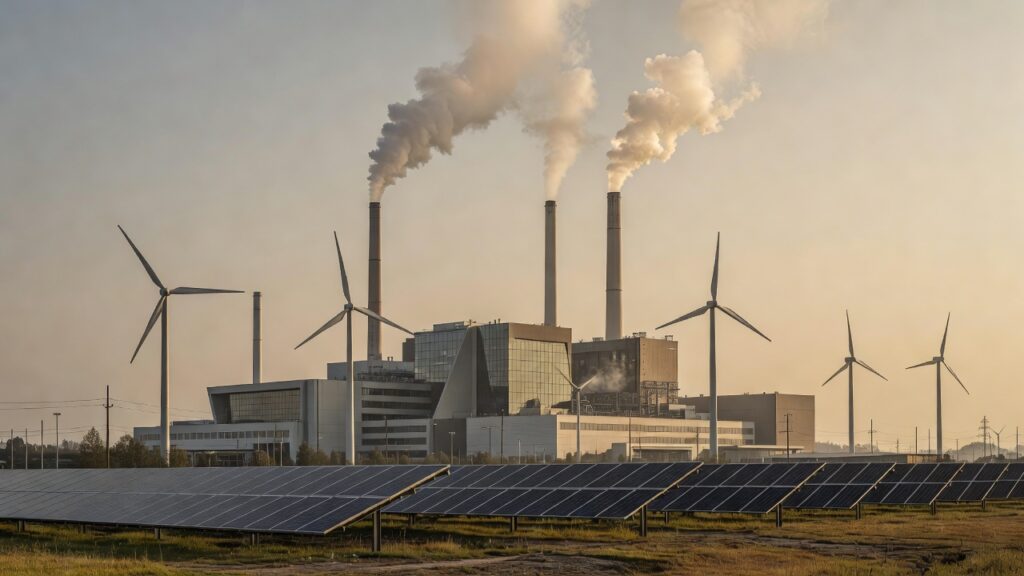
Europe is facing a pivotal moment in its climate journey. This week, EU officials confirmed plans to bring waste incineration plants into the bloc’s Emissions Trading System (ETS), a move that will force operators to pay for their carbon dioxide emissions for the first time. The announcement lands against a backdrop of extraordinary environmental stress: Western Europe just recorded its warmest June on record, Germany has logged an estimated 5,120 heat-related deaths this year, and global monitors report that greenhouse gas concentrations have hit new highs. Together, these developments paint a picture of a continent where climate change is no longer an abstract future risk but a present, costly reality demanding urgent environmental policy responses.
Pricing Carbon in the Waste Sector: A Necessary but Disruptive Shift
Waste incineration has long occupied a regulatory grey zone in Europe’s climate architecture. Unlike power generation or heavy industry, incinerators—which burn municipal and commercial waste, often generating electricity or heat in the process—have not been required to pay for their carbon output under the EU ETS. That is set to change. By folding the sector into the trading system, Brussels aims to internalize the real environmental cost of burning waste rather than diverting it toward recycling, composting, or other lower-carbon treatment methods.
The policy shift carries real economic weight. Operators will likely face higher costs, which could be passed on to municipalities and, ultimately, taxpayers. But proponents argue this is precisely the point: without a price on carbon, there is little financial incentive to move waste management up the hierarchy toward prevention and recycling. The reform is also expected to accelerate investment in alternative technologies, including advanced sorting, anaerobic digestion, and carbon capture retrofits for existing incinerators. This is renewable energy and circular economy policy converging with carbon pricing in a way that could reshape how European cities handle their waste for decades.
A Summer of Records: Heat, Health, and Infrastructure Strain
The timing of the ETS expansion is notable. Europe has just endured its hottest June on record, according to EU climate scientists, with a punishing late-June heatwave that disrupted power grids and forced school closures across multiple countries. In Germany alone, the Robert Koch Institute estimates roughly 5,120 heat-related deaths so far this year—a stark reminder that extreme heat is not merely uncomfortable but lethal, particularly for elderly and vulnerable populations.
These events are not isolated. The United Nations has confirmed that concentrations of carbon dioxide, methane, and nitrous oxide have reached record levels globally, reinforcing the scientific consensus that current mitigation efforts remain insufficient. The compounding effect—rising emissions feeding more frequent and intense heat extremes—illustrates why regulatory tools like the ETS matter. Every sector left outside carbon pricing mechanisms represents a missed opportunity to bend the emissions curve before climate impacts become even more severe and costly to manage.
Biodiversity and Nature Finance: The Overlooked Crisis
While heat and emissions dominate headlines, a quieter crisis unfolds beneath the ocean’s surface. The world’s largest conservation network has warned that more than half of mollusc species living around deep-sea hydrothermal vents are at risk of extinction, driven largely by expanding deep-sea mining activity. This finding adds urgency to debates over mineral supply chains, particularly as demand grows for materials used in batteries and renewable technologies.
Compounding this concern, the latest State of Finance for Nature report finds that global investment in nature-based solutions falls drastically short of what is needed to address climate change, biodiversity loss, and ecosystem degradation simultaneously. This financing gap suggests that even as governments tighten emissions regulations, insufficient capital is flowing toward the conservation and restoration efforts needed to protect ecosystems already under strain from warming, pollution, and resource extraction.
What This Means for Europe and Beyond
- Higher operational costs for waste management companies may reshape municipal budgets and waste policy across EU member states.
- Public health systems face mounting pressure as heat-related mortality rises, demanding better urban cooling strategies and early-warning systems.
- Pollution from industrial and waste sectors remains tightly linked to both climate and biodiversity outcomes, reinforcing the need for integrated policy approaches.
- Nature finance shortfalls could undermine long-term conservation goals unless public and private capital flows increase substantially.
Key Takeaway
Europe’s decision to price carbon from waste incineration signals a broader maturation of its environmental policy framework, extending accountability to sectors previously left on the sidelines. Yet this regulatory progress unfolds against a sobering backdrop: record heat, rising emissions, and chronic underinvestment in nature conservation. The lesson is clear—effective climate action requires not just expanding carbon markets, but pairing them with robust public health preparedness and dramatically scaled-up funding for biodiversity protection. Without all three moving in tandem, Europe risks solving pieces of the puzzle while the broader picture continues to deteriorate.