EU Slows ETS Phase-Down: What the Carbon Market Reset Means for Climate Policy
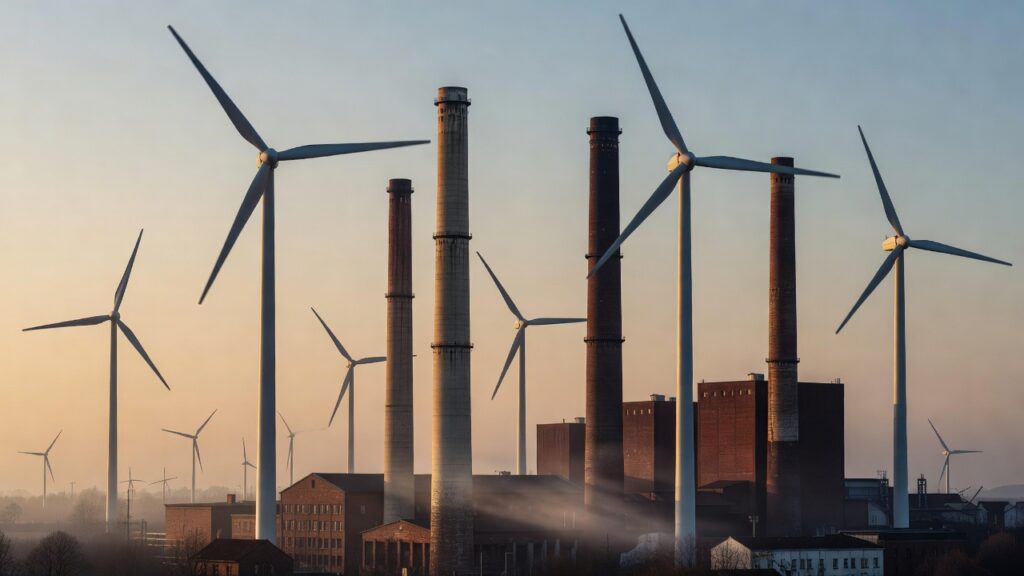
The European Commission has proposed a significant recalibration of its flagship carbon market, delaying the phase-out of free emissions allowances for energy-intensive industries from 2034 to 2038. The move, aimed at easing pressure on businesses still adapting to decarbonization costs, marks one of the clearest signals yet that Brussels is willing to slow the pace of its climate policy implementation without abandoning its long-term targets. The proposal now heads to EU governments and the European Parliament for approval, where it will be tested against competing pressures: industrial competitiveness on one side, and climate credibility on the other.
This is not a retreat from the EU Green Deal. The bloc’s legally binding commitments—climate neutrality by 2050 and at least a 55% cut in emissions by 2030—remain firmly in place. But the mechanics of getting there, particularly through the Emissions Trading System (ETS), are being adjusted in ways that will reshape carbon costs, investment timing, and the calculus for thousands of European manufacturers.
Why the EU Is Recalibrating Its Carbon Market
The ETS has long been the EU’s primary tool for pricing carbon and incentivizing emissions cuts across power generation, heavy industry, and aviation. Free allowances were designed as a temporary buffer, gradually withdrawn as industries decarbonize and as the Carbon Border Adjustment Mechanism (CBAM) takes over the job of protecting European producers from cheaper, carbon-intensive imports.
But CBAM’s rollout—expected to be fully operational in 2026—has proven more complex than anticipated, and many energy-intensive sectors argue they need more runway before facing full carbon-price exposure. By extending free allowances to 2038, the Commission is effectively buying time for both carbon markets and industrial supply chains to align. The proposal also rewards companies that invest in decarbonization technology, linking the pace of allowance withdrawal to demonstrable emissions reductions rather than a fixed calendar.
This is a calculated bet: slower phase-down now, in exchange for smoother, more durable compliance later.
Simplification Pressure Meets Climate Ambition
The ETS adjustment doesn’t exist in isolation. It reflects a broader pattern across Brussels this year—political pushback against what industry groups and several member states call regulatory overreach. Anti-greenwashing rules, sustainability reporting requirements, and due diligence obligations have all faced renewed scrutiny, with the Commission under pressure to reduce compliance costs, particularly for small and mid-sized enterprises.
This tension between environmental regulation and competitiveness has become one of the defining storylines of the current EU mandate. Farmers across several member states have staged protests against environmental rules they see as economically unsustainable, while manufacturers warn that overlapping reporting frameworks create administrative burden without proportional climate benefit. The Commission’s simplification agenda—covering everything from the Corporate Sustainability Reporting Directive to ETS timelines—is an attempt to respond to this pressure while keeping the 2050 neutrality target intact.
Critics worry that “simplification” risks becoming a euphemism for dilution. Supporters counter that a carbon market industries can actually plan around is more effective than an overly rigid one that provokes backlash and non-compliance.
What This Means for Investment and Global Positioning
For businesses, the practical implications are significant. Extending free allowances changes the investment calculus for sectors like steel, cement, and chemicals, potentially delaying some decarbonization capital expenditure while creating more predictable cost curves. Investors tracking carbon exposure will need to reassess timelines for stranded-asset risk and clean-tech returns.
Globally, the EU’s approach remains a reference point. The ETS is the world’s largest carbon market, and CBAM is being watched closely by trading partners from the UK to Asia as a potential template—or a source of friction—for climate-linked trade policy. A slower ETS phase-down could ease near-term diplomatic tension with exporters to the EU, even as it raises questions about whether Europe’s carbon pricing signal remains strong enough to drive the pace of transformation scientists say is necessary.
- Free carbon permits extended for select industries: 2034 → 2038
- CBAM still targeted for full operation in 2026
- 2030 target unchanged: at least 55% emissions reduction
- 2050 climate neutrality goal remains legally binding
The Bottom Line
The EU’s proposal to slow its ETS phase-down is less a policy reversal than a pragmatic recalibration—an attempt to keep sustainability reporting and carbon pricing frameworks credible without triggering industrial backlash that could undermine the Green Deal’s broader legitimacy. Whether this balance holds will depend on how member states and the European Parliament negotiate the details in the coming months, and whether slower timelines translate into genuine decarbonization progress rather than simply deferred costs. For now, Europe is signaling that ambition and pragmatism can coexist—but the margin for error is narrowing.