EU Eyes Tougher Rules on Free Carbon Permits: What It Means for Corporate Decarbonisation
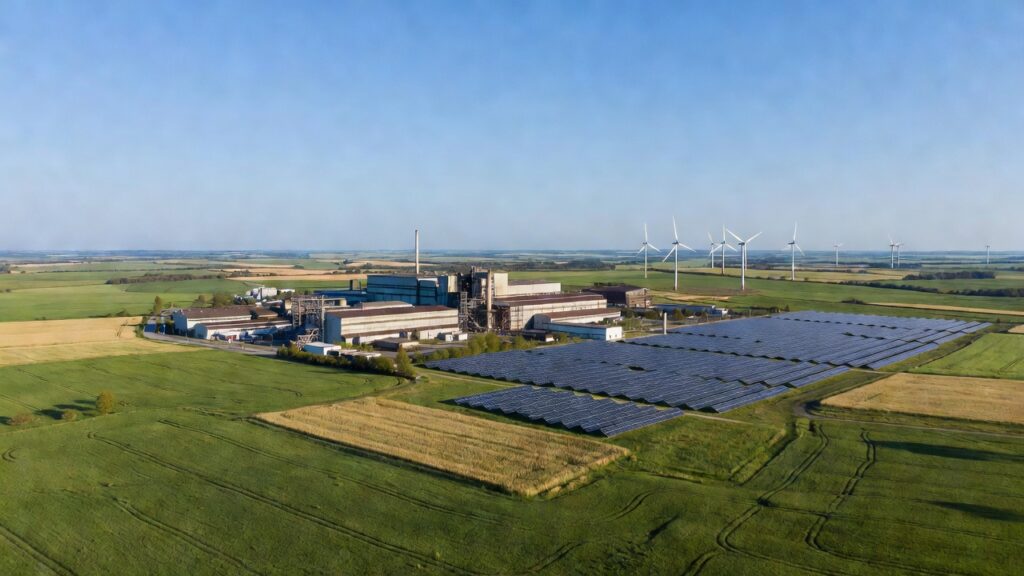
European policymakers are weighing a significant shift in how companies receive free pollution permits under the EU Emissions Trading System (ETS) — and the implications for corporate responsibility, sustainable finance, and the broader green transition could be far-reaching. Under the proposal being discussed in Brussels, businesses would only retain access to free carbon allowances if they can demonstrate genuine investment in decarbonisation. It is a move that signals the EU is done handing out climate benefits without strings attached.
From Free Passes to Accountability: The ETS Reform Debate
The EU ETS is the world’s largest carbon market, covering roughly 40% of the bloc’s total greenhouse gas emissions across power generation, heavy industry, and aviation. Since its launch in 2005, one of its most controversial features has been the allocation of free pollution permits to energy-intensive industries — a mechanism designed to protect European businesses from carbon leakage, but one that critics argue has allowed companies to profit without meaningfully cutting emissions.
The proposed reform would condition these free allowances on verifiable decarbonisation spending, such as investments in clean technology, energy efficiency upgrades, or low-carbon industrial processes. According to Reuters, investors have broadly welcomed the direction of travel, arguing that linking permit benefits to real transition activity would strengthen corporate accountability and improve the quality of ESG disclosures. If a company wants the subsidy, it must show the work.
However, critics — including some industry groups — warn that poorly designed reforms could backfire. If the conditions are too broad or bureaucratically complex, companies may face reduced incentives to cut emissions at all, preferring instead to navigate compliance requirements rather than pursue genuine decarbonisation. The policy design, in other words, matters enormously.
Why This Is a Watershed Moment for ESG and Sustainable Finance
For the ESG investment community, this debate is more than a regulatory footnote. The ETS reform reflects a broader tightening of expectations around corporate climate action across Europe — one that is increasingly shaping how capital flows. Sustainability-linked finance instruments, from green bonds to transition loans, already attempt to tie funding costs to measurable climate outcomes. The ETS proposal extends that same logic into the realm of public policy and industrial subsidy.
If adopted, the reform would push companies to integrate decarbonisation planning more deeply into their business strategies — not as a reporting exercise, but as a prerequisite for accessing a financial benefit worth billions of euros annually. This aligns with the EU’s broader sustainable finance agenda, including the Corporate Sustainability Reporting Directive (CSRD) and the EU Taxonomy, both of which are pushing firms toward greater transparency and accountability on environmental performance.
For investors applying ESG criteria, companies that proactively invest in the green transition would be better positioned — both to retain their carbon allowances and to attract capital from sustainability-focused funds. The reform could, in effect, accelerate the market’s ability to distinguish genuine green business leaders from laggards.
A Parallel Warning: The Hidden Carbon Cost of AI Infrastructure
While Brussels debates carbon market reform, a striking development from New York offers a timely reminder of where new sustainability pressures are emerging. The state imposed a one-year moratorium on large new data centers, citing surging electricity demand, water stress, and strain on local communities. The pause reflects a growing recognition that the rapid expansion of AI and digital infrastructure carries a significant environmental footprint — one that sits awkwardly alongside corporate net-zero commitments.
Data centers already account for roughly 1–2% of global electricity consumption, a figure expected to rise sharply as generative AI workloads scale. For companies pursuing circular economy principles and genuine sustainability goals, the resource intensity of digital growth presents a real governance challenge. Cleaner power procurement, water-efficient cooling systems, and community impact assessments are no longer optional extras — they are becoming baseline expectations from regulators, investors, and citizens alike.
Implications and Key Takeaway
Taken together, these developments point to a clear direction of travel in sustainability policy and ESG governance:
- Free carbon permits may soon come with climate conditions — companies in energy-intensive sectors should begin mapping their decarbonisation investment plans now.
- Sustainable finance instruments are converging with regulatory requirements, creating both pressure and opportunity for businesses committed to the green transition.
- Digital infrastructure is the next frontier of sustainability scrutiny — AI growth cannot be decoupled from its energy and water costs.
The EU’s potential ETS reform is not just a technical adjustment to a carbon market. It is a statement of intent: that public support for industry must be earned through measurable climate action. For businesses, investors, and citizens watching Europe’s green transition, the message is increasingly clear — accountability is no longer optional.