EU Emissions Trading System Overhaul: More Time to Pollute or a Smarter Path to Clean Tech?
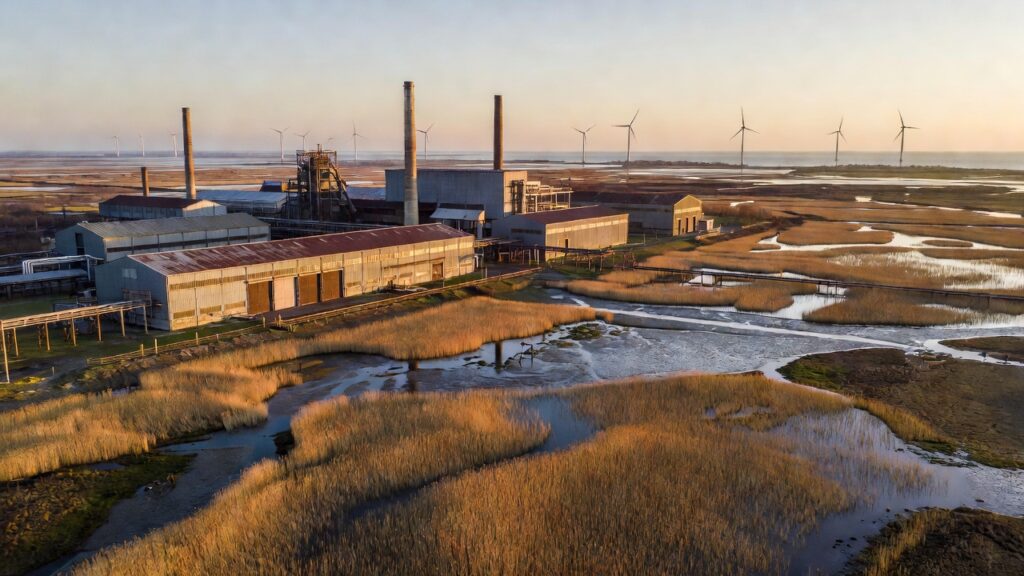
The European Commission is set to propose a significant overhaul of the EU’s Emissions Trading System (ETS) — the cornerstone of European climate policy and the world’s largest carbon market. The reform would allow power plants, manufacturers, airlines, and shipping firms to emit CO2 for longer periods, while channelling increased financial support toward clean technology investments. For citizens, professionals, and policymakers watching Europe’s environmental trajectory, the proposal raises a fundamental question: is this a pragmatic bridge to a greener economy, or a step backward on climate ambition?
What Is the EU ETS and Why Does It Matter?
The EU Emissions Trading System operates on a cap-and-trade principle: a ceiling is set on total greenhouse gas emissions across key industrial sectors, and companies must hold permits for every tonne of CO2 they release. Over time, the cap tightens, making pollution progressively more expensive and incentivising the shift to renewable energy and cleaner production methods. Since its launch in 2005, the ETS has been central to European environmental policy and has helped drive measurable emissions reductions across the continent.
The proposed overhaul, reported by Reuters, would extend flexibility for industries to maintain higher emission levels in the short term. In exchange, the reform promises substantially enhanced funding streams for clean technology deployment — covering everything from low-carbon industrial processes to zero-emission aviation and maritime transport. Proponents argue this trade-off is necessary to maintain industrial competitiveness, particularly as European manufacturers face pressure from less-regulated markets globally. Critics, however, warn that loosening near-term constraints risks undermining the EU’s 2030 and 2050 climate targets.
Nature’s Own Carbon Solution: UK Saltmarshes Under the Spotlight
While the policy debate unfolds in Brussels, a new WWF report highlights a quieter but equally critical front in the fight against climate change: natural carbon sequestration. UK saltmarshes, it turns out, are remarkably effective at locking climate-warming greenhouse gases into deep mud layers — functioning as long-term carbon stores that rival many engineered solutions.
This finding underscores the growing scientific consensus that biodiversity and conservation are not peripheral concerns but central pillars of any credible climate strategy. Coastal wetlands, forests, and peatlands collectively represent some of the most cost-effective carbon sinks available. Yet across Europe, these ecosystems remain under pressure from development, agricultural runoff, and pollution. Protecting and restoring them must be treated as climate infrastructure — not just environmental sentiment.
- Saltmarshes store carbon in anaerobic mud layers, preventing its release for centuries
- WWF’s findings support calls for stronger coastal habitat protections under EU biodiversity frameworks
- Natural carbon solutions can complement — but not replace — structural emissions reductions
Extreme Weather Closes In: From Record Sunshine to Severe Drought
The urgency of both policy reform and nature-based solutions is made viscerally clear by what is happening on the ground across Europe right now. Wales recorded its sunniest spring on record in May, logging 648 hours of sunshine — a striking anomaly that reflects the deepening volatility of European weather patterns. Meanwhile, the Netherlands is grappling with severe water shortages driven by prolonged drought and heat, placing real strain on agriculture, drinking water supplies, and urban infrastructure.
These are not isolated incidents. They are consistent with the trajectory climate scientists have long projected: a Europe of greater extremes, where the costs of inaction accumulate rapidly. Water scarcity, in particular, is emerging as one of the most immediate and socially disruptive consequences of climate change for European citizens — one that no carbon market reform alone can address.
Implications for Europe’s Green Transition
Taken together, these developments paint a complex but coherent picture. The EU ETS reform reflects the political tension at the heart of European environmental policy: the need to accelerate decarbonisation while managing the economic realities of industrial transition. The saltmarsh findings remind us that nature-based solutions deserve equal standing alongside technological fixes. And the extreme weather events in Wales and the Netherlands serve as a live demonstration of what delayed action looks like in practice.
For the reform to be credible, the increased clean tech funding must be substantial, transparent, and tied to measurable outcomes — not a blank cheque for industries to delay genuine transformation.
Key takeaway: The EU ETS overhaul is a pivotal moment for European climate leadership. Whether it strengthens or weakens that leadership will depend entirely on the detail, the ambition, and the accountability built into the final proposal. Europe cannot afford to get this wrong.