EU Nature Restoration Law: What the High-Stakes Vote Means for Europe’s Green Future
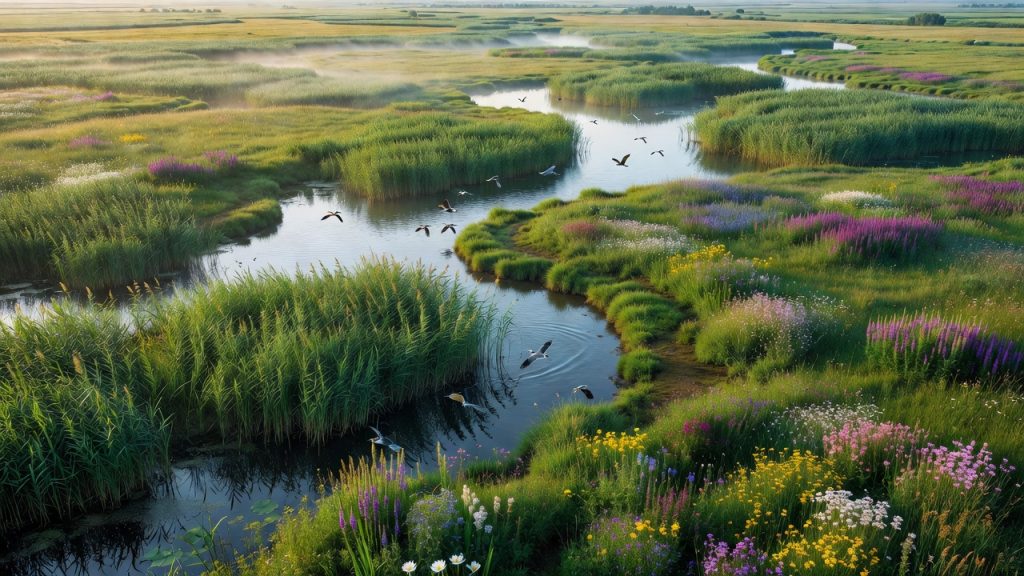
Europe’s ambition to restore nature and fight climate change is facing one of its most consequential political tests yet. The EU Nature Restoration Law — a cornerstone of the European Green Deal — is heading into a tight parliamentary vote that could determine whether the continent’s most ambitious biodiversity legislation moves forward or stalls indefinitely. With conservative groups mounting fierce opposition and environmental advocates sounding the alarm, the debate cuts to the heart of how Europe balances ecological recovery with economic reality.
What the Nature Restoration Law Actually Proposes
At its core, the Nature Restoration Law sets a legally binding target to restore at least 20% of degraded EU ecosystems by 2030, covering everything from wetlands and forests to rivers and urban green spaces. Adopted by the EU Council in June 2024 and entering into force in August 2024, the law represents a direct response to alarming data: more than 80% of European habitats are currently in poor condition, according to the European Environment Agency.
The legislation is a pillar of the EU Green Deal’s broader environmental regulation framework, which aims to make Europe climate-neutral by 2050. Supporters argue it is indispensable not only for biodiversity recovery but also for building climate resilience — healthy ecosystems absorb carbon, regulate water cycles, and buffer against extreme weather events. The science is unambiguous: nature restoration and climate policy are two sides of the same coin.
The Political Fault Lines: Farmers, Renewable Projects, and Conservative Pushback
Opposition to the law has coalesced primarily around the European People’s Party (EPP) and other right-leaning groups, who argue that mandatory restoration targets will displace farmers, reduce agricultural land, and create regulatory obstacles for renewable energy infrastructure — solar farms, wind turbines, and grid expansion included. These concerns have resonated in rural constituencies across Central and Eastern Europe, where agricultural livelihoods are closely tied to land use decisions.
Critics of the opposition counter that these arguments misrepresent the law’s flexibility provisions and ignore the long-term costs of ecological collapse. They point to the economic value of ecosystem services — pollination, flood control, clean water — estimated at trillions of euros annually across the EU. Stalling implementation, they warn, would not protect farmers; it would expose them to greater risks from soil degradation and climate disruption.
The vote’s outcome could also send a chilling signal about the durability of EU climate policy commitments ahead of the next EU elections, raising questions among investors and trading partners about regulatory continuity.
A Broader Green Deal Under Pressure — and Expanding
The Nature Restoration vote is not happening in isolation. The EU’s environmental regulation architecture is simultaneously expanding in scope and complexity. The EU Emissions Trading System (ETS2) is being extended to cover buildings, road transport, and forestry — sectors historically outside carbon pricing mechanisms — signalling a deeper integration of carbon markets into everyday economic life.
Meanwhile, the Carbon Border Adjustment Mechanism (CBAM), scheduled to be fully operational by 2026, will impose carbon costs on imports from countries with weaker climate standards. This tool is designed to prevent carbon leakage and encourage global industries to adopt greener production methods, giving European sustainability reporting and carbon markets a genuinely global dimension.
On the social side, the Just Transition Fund (JTF) has allocated nearly €20 billion to support worker reskilling and economic diversification in fossil fuel-dependent regions — a recognition that a credible green transition must be a fair one.
Implications: What Happens Next
If the Nature Restoration Law survives its parliamentary challenge, it will set a powerful precedent for binding nature targets alongside carbon reduction goals. If it falters, it risks emboldening those who seek to roll back other Green Deal measures, creating uncertainty for businesses, investors, and local governments already planning around these frameworks.
- For citizens: Restored ecosystems mean cleaner air, safer floodplains, and healthier food systems.
- For businesses: Regulatory clarity — or the lack of it — directly affects long-term investment in sustainable land use and green infrastructure.
- For policymakers: The vote is a litmus test for whether the EU can maintain its global leadership on environmental regulation under growing domestic political pressure.
Key takeaway: The EU Nature Restoration Law is more than a biodiversity measure — it is a stress test for the entire European Green Deal. How Europe votes will echo far beyond Brussels, shaping the credibility of EU climate policy on the world stage and the pace of the continent’s ecological recovery for decades to come.