Climate at a Crossroads: EU Carbon Market Reform, Record Heat, and the Species We Are Losing
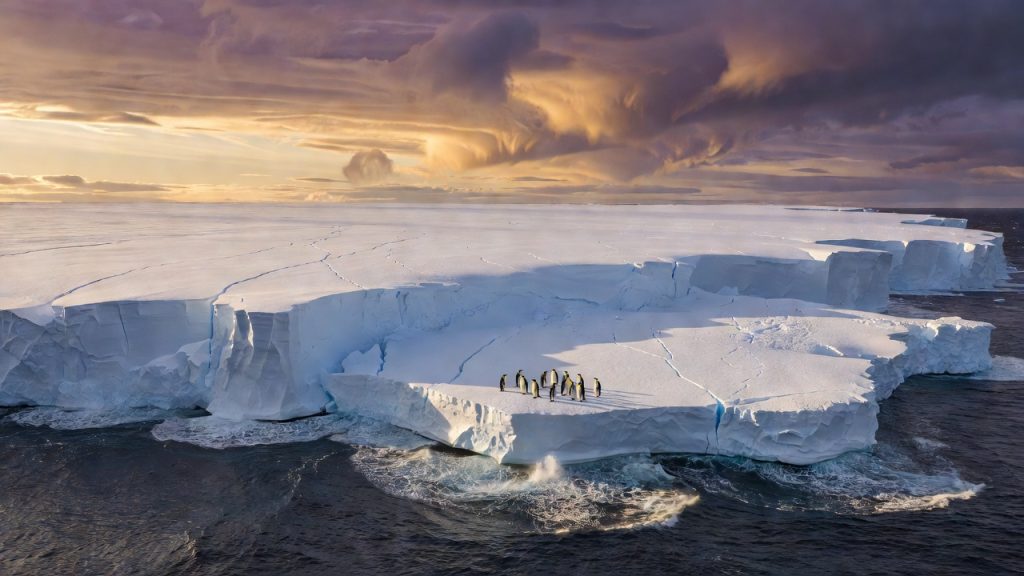
The year 2024 was the hottest ever recorded on Earth. CO₂ levels have reached unprecedented highs. The emperor penguin has just been declared endangered. And yet, Europe’s largest parliamentary group is pushing to slow down emissions cuts in the EU’s flagship carbon market. The signals coming from science and politics could not be more contradictory — and the gap between them has never felt more consequential.
EU Carbon Market Under Pressure: Reform or Retreat?
The European Parliament’s largest political group has drafted a position that would slow planned emissions reductions and extend free pollution permits within the EU Emissions Trading System (EU ETS). The stated rationale is to ease financial pressure on companies facing rising operational costs and broader economic uncertainty — a concern that is, in itself, legitimate. But the timing raises serious questions about Europe’s environmental policy commitments.
The EU ETS is the cornerstone of European climate strategy, designed to make pollution progressively more expensive and incentivise the transition to renewable energy and cleaner production. Slowing the pace of emissions cuts would effectively reduce the carbon price signal that businesses rely on to justify green investments. Critics argue this sends exactly the wrong message at exactly the wrong moment — undermining both the EU’s credibility on the global stage and the long-term competitiveness of companies that have already committed to decarbonisation.
The debate reflects a wider tension in European environmental policy: how to balance industrial competitiveness with the urgency of the climate crisis. The answer, many experts argue, is not to weaken the market but to pair it with stronger support mechanisms for vulnerable industries and workers navigating the green transition.
A Planet in Crisis: Record Temperatures and Rising Seas
The scientific backdrop to this political debate is stark. According to the United Nations, 2024 was the hottest year in recorded history, with CO₂ concentrations hitting new highs. Current climate pledges under the Paris Agreement, even with recent updates, are projected to limit warming only to between 2.3°C and 2.5°C by 2100 — well above the 1.5°C threshold scientists consider critical for avoiding the worst climate impacts.
Meanwhile, a new study published in Nature has found that most sea level rise research has underestimated coastal water heights by an average of one foot (approximately 30 centimetres). This is not a minor rounding error. For coastal cities from Venice to Rotterdam, for infrastructure planners, insurers, and millions of European citizens living near coastlines, this recalibration demands urgent attention in both urban planning and climate adaptation strategies.
These findings reinforce what conservation scientists have been warning for years: the window for effective action is narrowing rapidly, and the costs of inaction — measured in both economic and human terms — are rising faster than our models predicted.
Biodiversity Loss: The Emperor Penguin and the Saltmarsh
The emperor penguin has been officially declared an endangered species, a direct consequence of climate-driven habitat loss in Antarctica. As sea ice melts earlier and forms later each season, penguin colonies lose the stable platforms they need to breed and raise chicks. It is a vivid, painful symbol of how rising global temperatures translate into irreversible biodiversity loss — far from European shores, but deeply connected to the choices made in Brussels, Berlin, and Rome.
Closer to home, a new WWF report highlights the extraordinary value of the UK’s saltmarshes as natural carbon sinks. These coastal ecosystems lock greenhouse gases into deep mud layers over centuries, offering a powerful, cost-effective tool for both climate mitigation and biodiversity conservation. Protecting and restoring saltmarshes — and similar ecosystems across Europe — represents exactly the kind of nature-based solution that should sit at the heart of any credible environmental policy framework.
What This Means for Europe’s Climate Future
Taken together, these developments paint a picture of a world where the science is accelerating in one direction and parts of the political establishment are tempted to move in another. For European citizens, professionals, and decision-makers, the implications are clear:
- Weakening the EU carbon market risks delaying the industrial transformation that long-term competitiveness — and climate stability — requires.
- Underestimated sea level projections mean that coastal adaptation plans across Europe may need urgent revision.
- Biodiversity loss is not a distant problem: it is accelerating now, and it is directly linked to the pace of emissions reductions.
- Natural solutions like saltmarsh restoration offer immediate, affordable wins that deserve far greater political and financial support.
The key takeaway: Climate change, biodiversity loss, and environmental policy are not separate conversations. They are one crisis, demanding coherent, courageous responses. Europe has built the most ambitious climate architecture in the world — now is not the time to dismantle it piece by piece under short-term economic pressure.