EU Circularity Rules, CSRD Delays, and a Shifting Global ESG Landscape: What’s Changing in 2026
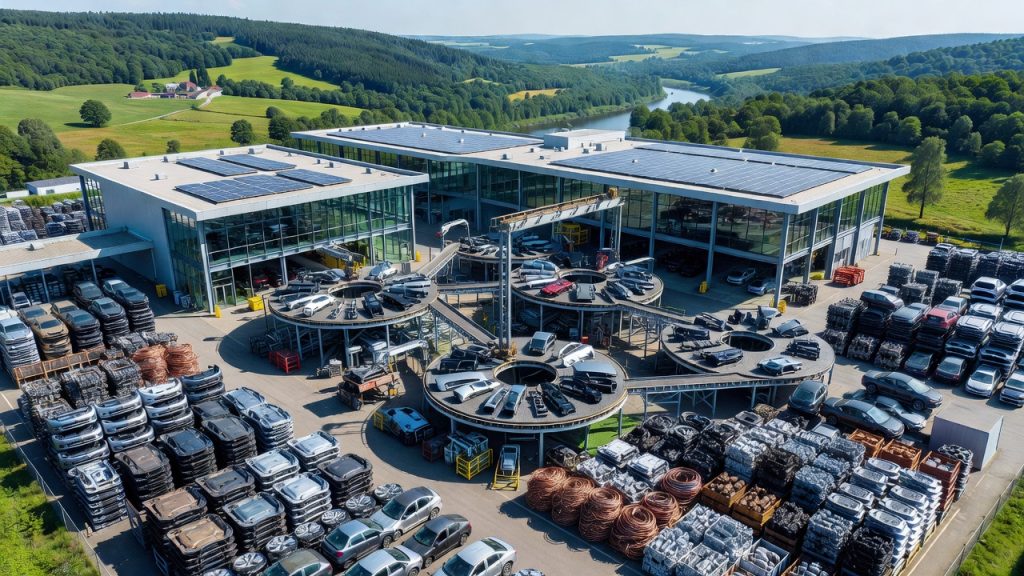
The European Union is pushing forward on two significant sustainability fronts simultaneously — and the signals are somewhat contradictory. On one hand, Brussels has approved landmark circularity regulations for the automotive sector, a concrete step toward embedding circular economy principles into one of Europe’s most resource-intensive industries. On the other, the EU is proposing a ‘stop the clock’ amendment to the Corporate Sustainability Reporting Directive (CSRD), delaying key reporting deadlines by two years. Together, these moves reflect the tension at the heart of European sustainability policy in 2026: ambition tempered by pragmatism.
Europe Bets on the Circular Economy — Starting with Cars
The newly approved EU circularity rules for the automotive sector mark a meaningful milestone for sustainable manufacturing in Europe. Automakers will now be required to meet stricter standards around resource efficiency, recyclability, and the use of secondary materials — bringing the sector in line with the broader ambitions of the EU’s Circular Economy Action Plan.
The automotive industry is a logical starting point. Cars are among the most material-intensive consumer products, combining steel, aluminium, plastics, rare earth elements, and increasingly, battery components. Ensuring that these materials can be recovered, reused, and reintegrated into production cycles is not just an environmental imperative — it’s a strategic one, given Europe’s dependence on imported raw materials.
For green business across the supply chain — from component manufacturers to recyclers and logistics providers — these regulations open new market opportunities while also raising compliance expectations. Companies that have already invested in circular design and take-back systems will be best positioned to adapt.
CSRD ‘Stop the Clock’: Pragmatism or a Step Backward?
The proposed two-year postponement of CSRD reporting deadlines has divided opinion across the ESG and corporate responsibility community. The European Commission frames the delay as a practical measure — allowing companies more time to align their disclosures with updated European Sustainability Reporting Standards (ESRS), and reducing the administrative burden on businesses still building their reporting infrastructure.
Critics, however, warn that the delay sends a mixed message at a time when sustainable finance markets are demanding greater transparency, not less. Investors, lenders, and procurement teams have increasingly built their decision-making frameworks around the expectation of standardised ESG data. A two-year gap risks slowing the flow of reliable sustainability information precisely when it is most needed.
The CSRD, when fully implemented, was designed to cover tens of thousands of companies across the EU — making it one of the most ambitious ESG reporting frameworks in the world. The delay does not cancel that ambition, but it does defer it. For now, companies are advised to continue their preparation work rather than treat the pause as permission to slow down.
A Turbulent Global Context for Sustainable Finance
Europe’s regulatory shifts are unfolding against a notably volatile global backdrop for sustainability and ESG. Several developments stand out:
- The World Bank has cut its climate lending target by 45%, a significant retreat that raises questions about the future of multilateral support for climate action in developing economies — and increases pressure on private capital to fill the gap.
- In the United States, the ‘One Big Beautiful Bill Act’ has accelerated the sunset of clean electricity tax credits (Sections 45Y and 48E), terminating them for facilities placed in service after December 31, 2027, unless construction begins before July 5, 2026. This creates an urgent window for US clean energy developers and has already triggered a rush of investment decisions.
- Private capital continues to flow into green infrastructure, with Generation Capital closing a $1 billion sustainable private equity fund and KKR announcing a $4.2 billion acquisition of EDF North America assets — signals that institutional investors still see long-term value in the energy transition despite political headwinds.
Implications for Businesses and Decision-Makers
For European companies, the combined picture demands a nuanced response. The CSRD delay offers breathing room, but not an excuse for inaction — investors and partners operating under their own ESG frameworks will continue to ask hard questions. Meanwhile, the new automotive circularity rules set a precedent: sector-specific circular economy legislation is coming, and other industries should expect similar measures in the years ahead.
At the global level, the retreat of public finance — from the World Bank’s reduced climate targets to US credit rollbacks — underscores the growing importance of private sustainable finance in driving the energy and resource transition. Businesses that can demonstrate genuine ESG performance will be better placed to attract that capital.
Key takeaway: The EU remains one of the world’s most active regulators on sustainability, but 2026 is a year of recalibration. Circularity is advancing; reporting timelines are shifting. For businesses committed to corporate responsibility, the message is clear — build the capabilities now, regardless of when the deadlines land.