Green Finance at a Crossroads: Solar Subsidies, Methane Rules, and the Future of ESG in 2025
The global sustainability landscape is shifting fast — and not always in the direction advocates had hoped. A cluster of major policy decisions this week, spanning the United States, Europe, China, and international financial institutions, reveals a world still negotiating the pace and price of the green transition. For businesses, investors, and citizens tracking ESG and corporate responsibility, the signals are mixed but consequential.
The U.S. Solar Rush and What It Means for Renewable Energy Costs
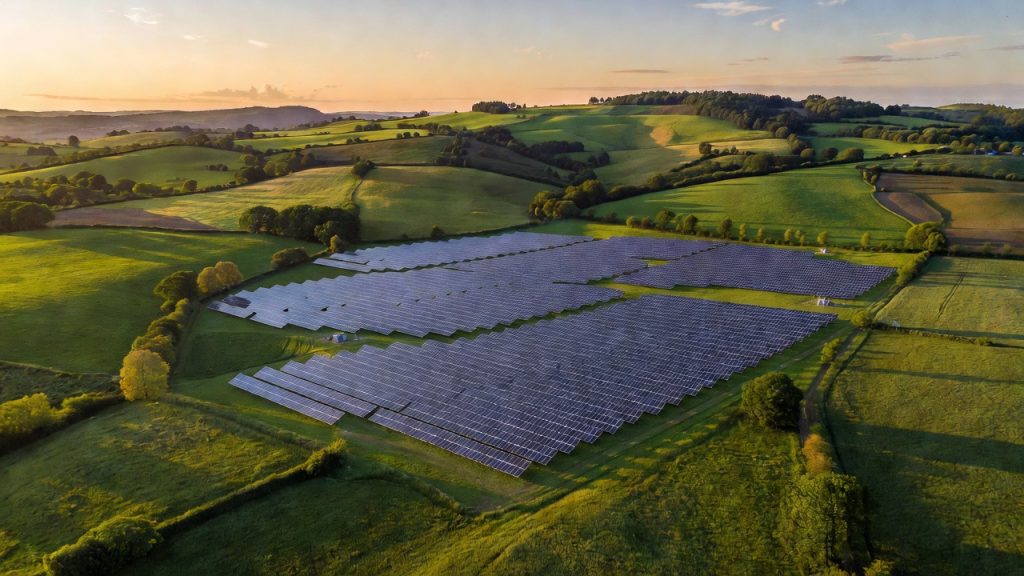
In the United States, major solar developers have moved aggressively to lock in federal subsidies before a critical July 4 deadline, securing funding for projects large enough to nearly double current U.S. renewable capacity. The rush, reported by Reuters, reflects both the enormous appetite for renewables and the fragility of the policy environment underpinning them.
The urgency matters beyond American borders. If these projects proceed as planned, the U.S. could add significant clean energy capacity over the next decade — a development with ripple effects on global supply chains for solar panels, battery storage, and grid infrastructure. However, analysts warn that the deadline-driven scramble may introduce market volatility, with costs for businesses and consumers potentially rising in the short term as demand for components spikes.
For European companies benchmarking their own sustainable finance strategies against global peers, this dynamic is a reminder that even well-funded green transitions can generate turbulence. The lesson for ESG-focused investors: policy timelines are as important as technology readiness.
Europe Under Pressure: Methane Rules, Aviation, and the Taxonomy Debate
Closer to home, the European Union is facing pushback on two fronts that directly affect how green business is defined and regulated.
First, Germany — alongside major energy exporters including the United States and Qatar — is urging Brussels to revise its planned methane emissions rules for oil and gas imports. The argument is pragmatic: stricter methane standards, while environmentally sound, could disrupt fuel supplies and affect jet fuel availability across Europe. This tension between climate ambition and energy security is not new, but the coalition of voices pushing back is notable. It signals that even EU member states are willing to slow-walk emissions regulations when supply chain risks feel acute.
Second, in a surprising legal development, the EU’s second-highest court annulled a decision that had excluded private jet manufacturing from environmentally sustainable activities under the bloc’s green taxonomy. While this may seem like a niche ruling, it opens meaningful questions about how the taxonomy — the EU’s flagship tool for directing capital toward sustainable activities — handles hard-to-abate sectors. Critics argue it risks diluting the credibility of ESG classifications; others see it as a necessary acknowledgment that the circular economy must eventually encompass heavy industry and aviation, not just solar panels and wind turbines.
China’s Five-Year Energy Plan: A Benchmark for Global Ambition
Against this backdrop of Western policy uncertainty, China announced a new five-year energy plan with a headline target: 50% of electricity from non-fossil sources by 2030, up from 42.3% in 2025. The scale of this commitment — for the world’s largest emitter — is significant for global carbon accounting and for companies assessing climate risk in their supply chains.
For European businesses with manufacturing or sourcing exposure to China, this transition creates both opportunity and complexity. A Chinese grid running on more renewables reduces Scope 3 emissions for imported goods, supporting corporate responsibility reporting under frameworks like the CSRD. At the same time, the speed of China’s energy buildout is reshaping global markets for clean technology components.
Meanwhile, the World Bank approved $265 million for a pumped hydropower storage plant in Morocco — a positive signal for African sustainable infrastructure — even as it quietly abandoned its goal to devote 45% of lending to climate-related projects. That retreat, however modest in its framing, reflects broader tensions within multilateral institutions about the pace of the green finance agenda.
Implications for ESG Strategy and Corporate Responsibility
Taken together, this week’s developments point to several priorities for sustainability professionals and decision-makers:
- Policy risk is a core ESG variable. Subsidy deadlines, taxonomy revisions, and methane rule negotiations all demonstrate how quickly the regulatory floor can shift beneath green investment strategies.
- Green classifications need credibility. The aviation taxonomy ruling and World Bank retreat remind us that the integrity of sustainable finance frameworks depends on consistent, science-based standards — not political convenience.
- The circular economy requires hard-sector inclusion. Aviation, heavy industry, and fossil fuel infrastructure cannot be indefinitely excluded from sustainability frameworks if the transition is to be real rather than cosmetic.
Key takeaway: The green transition is accelerating in some places and stalling in others — often simultaneously. For businesses and investors committed to genuine ESG progress, the challenge in 2025 is not a lack of ambition but a lack of consistency. Navigating that gap is where corporate responsibility leadership will be defined.