UK to Restrict Under-16s on Social Media: New Law Announced – June 30, 2026
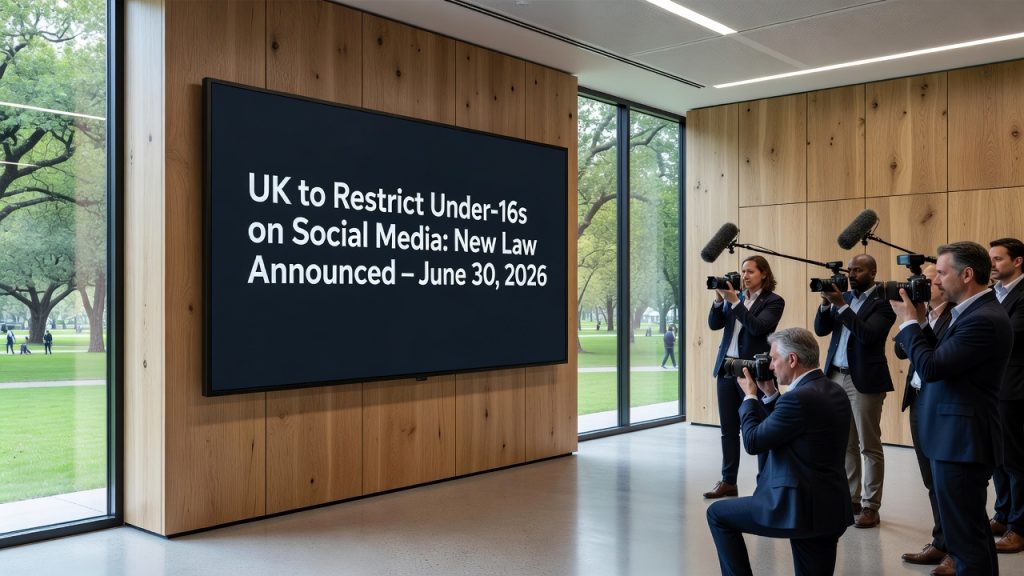
In the realm of digital governance and the evolving landscape of social media regulation, a significant development has emerged from the United Kingdom. Sir Keir Starmer, the British Prime Minister, has announced an unprecedented move to introduce a new law restricting children under the age of sixteen from accessing a broad range of social media platforms. This legislative step, scheduled to take effect next year, marks a pivotal shift in how the UK is choosing to navigate the complexities of digital engagement, particularly when it comes to safeguarding the mental health and well-being of younger users.
The Growing Concerns of Social Media’s Impact
At the heart of this decision lies a growing concern shared by educators, parents, and mental health professionals: the profound and often detrimental impact that unfettered access to social media can have on adolescent development. The UK government’s move to impose these restrictions is not just a reactionary measure but rather a proactive response to mounting evidence and public demand for more robust protections in the digital domain. Recent studies have consistently highlighted concerning correlations between heavy social media usage and rising levels of anxiety, depression, and body image issues among teenagers. This legislation seeks to address these challenges head-on by creating a safer online environment for young people.
Global Implications and Precedents
The implications of this decision extend far beyond the borders of the United Kingdom. It could serve as a catalyst for other nations grappling with similar issues in their own regulatory frameworks. By establishing a clear age threshold and enforcing it through legal channels, the UK is setting a precedent that could influence global policy debates on digital safety for minors. This move underscores a willingness to confront powerful tech companies, whose platforms are often criticized for their engagement algorithms and content moderation practices, in the name of protecting public welfare.
Understanding the Broader Context
As we dissect this development, it is crucial to understand the broader context in which it is unfolding. Over the years, social media platforms have become ubiquitous in the lives of young people, offering both opportunities for connection and significant risks. The allure of these platforms, driven by sophisticated algorithms designed to maximize user engagement, often leads to extended periods of screen time and exposure to potentially harmful content. This dynamic poses a considerable challenge for policymakers aiming to strike a balance between encouraging technological innovation and ensuring user safety, particularly for the most vulnerable demographics.
A Cultural Shift Towards Youth Well-being
The UK’s decision to impose these age restrictions reflects a broader cultural shift towards prioritizing the well-being of young people in the digital age. It highlights the vital role that government can play in shaping the trajectory of technological advancement to align with societal values and public health priorities. As more countries face similar challenges, the UK’s approach may well serve as a model for international cooperation on digital safety standards, potentially paving the way for unified efforts to forge a safer digital landscape for the global youth.
Ramifications for Social Media Companies
The potential ramifications of this law are manifold, affecting not only the regulatory environment but also the operations of social media companies themselves. Platforms will likely need to reassess their user verification systems to comply with these new age restrictions. This may involve implementing more rigorous age governance measures and rethinking marketing strategies that heavily depend on youth engagement. While some industry leaders express concerns about the operational challenges this may pose, others acknowledge the necessity of adapting to a changing digital landscape that prioritizes user safety.
This legislative move is an acknowledgment of the evolving intersection between technology and society, where the pursuit of innovation must be tempered with a sense of responsibility. It is a reminder that the digital ecosystem, much like any other domain of public life, requires careful oversight to ensure it serves the interests of all stakeholders, particularly those who are most impressionable and at risk.
In conclusion, today’s announcement from the United Kingdom represents a decisive moment in the ongoing discourse about digital responsibility and the protection of minors online. By taking this bold step to shield children from potentially harmful online exposure, the UK is demonstrating leadership in an area of public policy that is becoming increasingly critical as technology continues to permeate every aspect of our lives. As discussions unfold across political, educational, and technological arenas, the ramifications of this decision will undoubtedly be scrutinized, debated, and potentially emulated by other nations seeking to navigate the intricate balance between digital freedom and societal responsibility. In this light, the UK’s approach may well serve as a beacon, guiding the global community towards more conscientious and considered governance of social media in the years to come.
Share your thoughts in the comments below.