EU Green Deal 2040 Target: 98 Laws Adopted, €65 Billion Mobilised, and What It Means for You
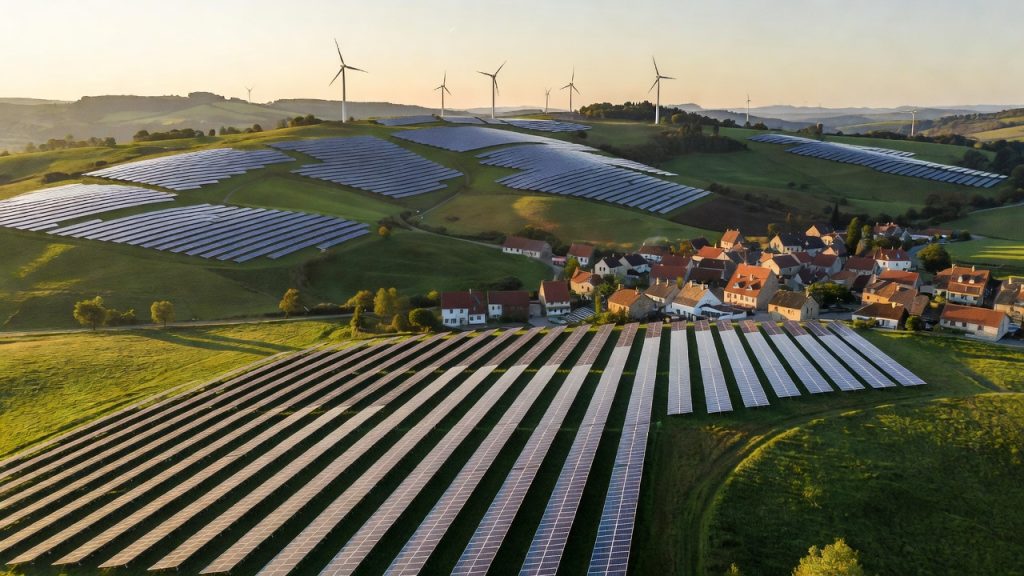
The European Union’s most ambitious climate policy framework has reached a defining moment. With 168 initiatives proposed under the European Green Deal (EGD) and 98 formally adopted by the European Parliament and Council, the bloc is no longer just setting targets — it is writing them into law. From a legally binding 2040 emissions goal to a fully operational Social Climate Fund, the architecture of Europe’s green transition is now firmly in place.
A Legally Binding Road to 2040: The Climate Law Gets Sharper Teeth
The centrepiece of this legislative wave is the amendment to the EU Climate Law, which now enshrines a 90% net reduction in greenhouse gas emissions by 2040 compared to 1990 levels. This intermediate target bridges the existing commitments — a 55% cut by 2030 and full climate neutrality by 2050 — and transforms what was once a political aspiration into a hard legal obligation.
For businesses operating in the EU, this is not an abstract policy signal. It directly shapes the trajectory of the EU Emissions Trading System (ETS), tightens the compliance landscape for carbon market participants, and raises the bar for sustainability reporting under frameworks like the Corporate Sustainability Reporting Directive (CSRD). Companies that have not yet aligned their long-term strategies with a 90% decarbonisation pathway are now working against the clock — and against the law.
In a global context, the move puts the EU ahead of most major economies in terms of legislative specificity. While the United States and China have made significant climate pledges, few jurisdictions have codified mid-century milestones with this level of legal precision.
The Social Climate Fund: €86 Billion to Leave No One Behind
One of the most politically significant breakthroughs in the Green Deal package is the full operationalisation of the Social Climate Fund. Backed by €65 billion from the EU budget and reaching over €86 billion in total funding, the Fund is designed to cushion the transition costs borne by vulnerable households and small businesses — particularly those exposed to rising energy prices driven by carbon pricing.
This matters because environmental regulation without social safeguards risks becoming a source of inequality rather than a tool for transformation. The Fund addresses a long-standing criticism of carbon markets: that pricing pollution can disproportionately burden lower-income citizens. By channelling revenues back into targeted support — for energy efficiency retrofits, clean mobility, and utility costs — the EU is attempting to make the green transition politically durable as well as environmentally effective.
For policymakers and civil society organisations, the Fund also sets a precedent: large-scale climate policy in Europe must now come paired with explicit social equity mechanisms.
Zero-Emission Cars, Higher Renewables Targets: The Sectoral Push Accelerates
Two further pillars of the adopted framework deserve close attention. First, the zero-emission vehicle mandate: all new cars and vans registered in Europe must produce zero emissions by 2035, with intermediate milestones requiring a 55% CO₂ reduction for cars and 50% for vans by 2030. This effectively ends the sale of new internal combustion engine vehicles across the EU’s single market — a seismic shift for the automotive industry and its global supply chains.
Second, the revised Renewable Energy Directive raises the binding minimum for renewables in the EU’s energy mix to 42.5% by 2030, up from the previous 32% target, with an indicative ambition of 45%. This acceleration is critical for reducing dependence on fossil fuel imports — a lesson the continent learned sharply following Russia’s invasion of Ukraine — and for meeting the emissions reduction trajectory now locked into law.
Implications for Businesses, Investors, and Citizens
The cumulative effect of these measures reshapes the operating environment across sectors:
- Businesses face tighter carbon market compliance requirements and expanded sustainability reporting obligations under EU law.
- Investors can expect greater regulatory clarity, but also heightened scrutiny of portfolio alignment with the 2040 target.
- Citizens — especially lower-income households — stand to benefit from Social Climate Fund support, while also facing the transition costs of shifting to electric vehicles and cleaner heating.
- Automakers and energy companies must accelerate capital reallocation toward zero-emission technologies and renewable infrastructure.
Key Takeaway
The EU Green Deal is no longer a vision document — it is an operational legal framework. With 98 measures adopted, a binding 90% emissions cut by 2040, and tens of billions mobilised for a just transition, Europe has moved further and faster than most of the world on climate policy. The challenge now is implementation: ensuring that targets translate into real-world emissions cuts, that funding reaches those who need it most, and that European industry emerges competitive rather than constrained. The rules are written. The work begins now.