Chile Approves CRISPR Wheat as Non-GMO: A Turning Point for Sustainable Agriculture
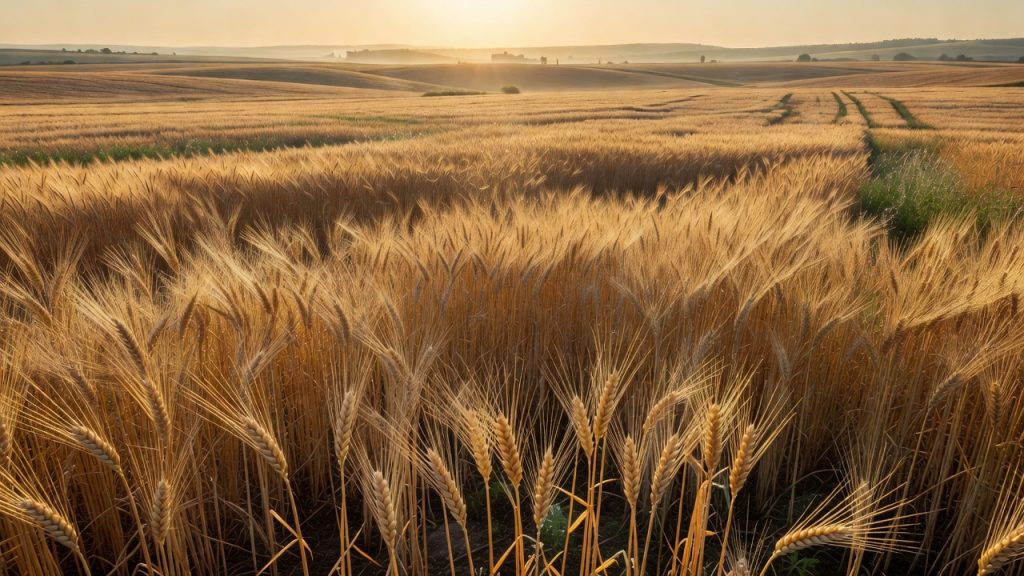
On 25 July 2025, Chile’s Agricultural and Livestock Service (SAG) made a decision that could quietly reshape the future of global food systems. The agency officially confirmed that CRISPR gene-edited wheat lines developed by Neocrop Technologies do not qualify as genetically modified organisms (GMOs) under Chilean law — clearing the path for open field cultivation without additional regulatory barriers. Chile is now the first nation in the Americas to approve gene-edited wheat, and the ripple effects are already being felt far beyond South America.
What Makes This Wheat Different — and Why It Matters
This isn’t a story about laboratory curiosity. The gene-edited wheat developed by Neocrop Technologies delivers 5 to 10 times more dietary fiber than conventional flour, while preserving the taste and texture that consumers and bakers expect. That combination — nutritional upgrade without sensory compromise — is precisely what food innovators have been chasing for years.
The technology behind it, CRISPR-Cas9, works by editing a plant’s existing genetic code rather than inserting foreign DNA. This is the regulatory and scientific distinction that allowed SAG to classify the crop as non-GMO. Unlike traditional genetic modification, CRISPR edits can mimic changes that might occur naturally over time — a nuance that regulators in several countries, including the UK and Japan, have already begun to recognise.
For sustainable agriculture and plant-based food systems, high-fiber wheat represents a significant opportunity. Dietary fiber is associated with reduced risk of cardiovascular disease, type 2 diabetes, and colorectal cancer — yet most Western diets fall well short of recommended intake. A staple crop that addresses this gap at source, without requiring consumer behaviour change, is a compelling proposition for both public health and agri-food businesses.
A Regulatory Precedent With Global Implications
Chile’s decision does not exist in isolation. Across Latin America, a broader shift in agricultural policy is accelerating:
- Argentina is set to approve 11 new GM crops in 2025, including insect-resistant corn and soybean varieties developed by Chinese-owned companies — a move with significant implications for supply chain sustainability and geopolitical food dependencies.
- Bioceres, the Argentine agri-biotech firm, recently signed a deal with the Colorado Wheat Research Foundation to commercialise its drought-tolerant HB4 GM wheat in the United States, integrating climate-resilient crops into North American food supply chains.
- Taiwanese scientists have separately engineered thale cress plants to capture 50% more CO₂ and produce more than twice as many seeds as unmodified plants — a finding with direct implications for staple crop yields and climate mitigation.
Together, these developments signal a global regulatory and scientific momentum that Europe cannot afford to observe passively. The EU currently maintains some of the world’s most restrictive rules on gene-edited crops, though the European Commission has been working since 2023 on a revised framework for New Genomic Techniques (NGTs). The Chilean precedent adds external pressure to that internal debate.
The European Perspective: Opportunity and Caution
From a European standpoint, the tension between agroecology principles and biotechnology innovation remains unresolved. Critics of gene editing in agriculture argue that regulatory shortcuts risk undermining biodiversity, concentrating market power in the hands of a few agri-biotech corporations, and bypassing the precautionary assessments that protect ecosystems and consumers.
These concerns are legitimate and should not be dismissed. But they must be weighed against a parallel reality: climate change is already reducing wheat yields across Southern Europe, and the window for developing and deploying climate-resilient, nutritionally enhanced crops is narrowing. A pragmatic European approach would distinguish between crops that genuinely replicate natural variation — as CRISPR often does — and those that introduce novel traits with unknown ecological consequences.
The EU’s forthcoming NGT regulation, if passed, could allow certain gene-edited crops to bypass the full GMO approval process — a move that would bring European policy closer to the Chilean model and open new possibilities for European farmers and food producers.
Key Takeaway
Chile’s approval of CRISPR wheat as non-GMO is more than a national regulatory decision — it is a signal that the global governance of gene-edited crops is shifting. For food systems professionals, policymakers, and sustainability advocates in Europe, the question is no longer whether this technology will arrive, but whether Europe will shape its terms or simply inherit them. Engaging now — critically and constructively — is the only way to ensure that innovation in sustainable agriculture serves people and planet, not just profit.