EU Locks In 90% Emissions Cut by 2040: What It Means for Europe and the Planet
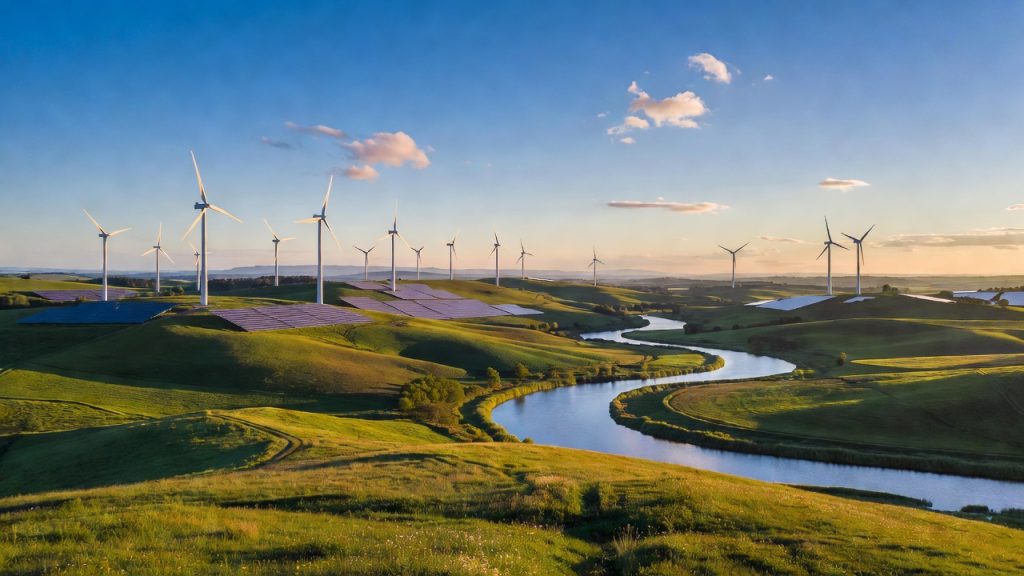
The European Union has taken one of its boldest steps yet in the fight against climate change. On Thursday, EU member states gave final approval to a new climate framework requiring a 90% reduction in greenhouse gas emissions by 2040 compared to 1990 levels. The decision, which passed despite notable political resistance from several member states, cements Europe’s position as the world’s most ambitious major economy on environmental policy — even as global signals grow increasingly mixed.
A Landmark Target in a Turbulent Political Landscape
The 90% target is not just a number. It represents a legally binding commitment that will reshape regulatory frameworks across virtually every sector of the European economy — from energy production and heavy industry to agriculture and transportation. Businesses will face stricter emissions standards, accelerated timelines for decarbonisation, and deeper integration of renewable energy into their operations.
The approval did not come without friction. Several member states raised concerns about economic competitiveness and the pace of the green transition, reflecting a broader tension within the EU between climate ambition and industrial resilience. Yet the majority held firm, signalling that European environmental policy remains on a trajectory toward net-zero by 2050 — the cornerstone of the European Green Deal.
For citizens, the implications are tangible: energy transitions will accelerate, home heating systems will need to shift away from fossil fuels, and the cost of carbon-intensive goods is likely to rise. But proponents argue the long-term benefits — cleaner air, reduced pollution, and greater energy independence — far outweigh the short-term disruption.
A World Moving in Opposite Directions
Europe’s climate ambition stands in sharp contrast to developments elsewhere. In the United States, the Department of Energy has announced a major restructuring that prioritises fossil fuels and nuclear energy, aligning with President Trump’s so-called “energy dominance” agenda. This marks a significant reversal from previous renewable energy initiatives and raises questions about the pace of the global clean energy transition.
Meanwhile, the commercial viability of emerging green technologies is facing real-world tests. Exxon Mobil has halted plans for a large-scale global hydrogen production facility, citing insufficient customer demand. This is a sobering signal for the hydrogen economy, which many European policymakers have counted on as a pillar of industrial decarbonisation. It underscores that ambition in environmental policy must be matched by market development, investment in infrastructure, and genuine demand-side incentives.
On the international diplomacy front, Turkey and Australia have finalised a split-hosting arrangement for the COP31 climate summit in 2026, with Australia leading negotiations and Turkey serving as formal host. The unusual arrangement reflects the growing complexity of global climate governance — and the need to keep major economies engaged in the process.
The Science Is Sending Urgent Warnings
Behind the politics and economics lies an increasingly alarming scientific picture. A major new study published in Science Advances warns that the Atlantic Meridional Overturning Circulation (AMOC) — the vast ocean current system that regulates European climate — could weaken by as much as 50% by the end of this century. Such a shift would have cascading consequences: more extreme weather across Europe, disrupted rainfall patterns, threats to biodiversity and marine conservation, and significant economic disruption to coastal communities and agriculture.
AMOC weakening is considered one of the most critical climate tipping points scientists monitor. Its potential collapse would render many current climate models and adaptation strategies inadequate, making the case for rapid, deep emissions cuts even more urgent — precisely what the EU’s 2040 target is designed to deliver.
What This Means Going Forward
The EU’s 90% emissions reduction target is a significant milestone, but approval is only the beginning. The harder work lies in implementation: translating political commitments into sector-specific regulations, ensuring a just transition for workers in fossil fuel industries, and mobilising the private investment needed to scale up renewable energy across the continent.
- For businesses: Prepare for tighter emissions regulations and new compliance timelines across energy, transport, and manufacturing.
- For citizens: Expect accelerated shifts in home energy systems and increased support schemes for low-carbon alternatives.
- For policymakers: The gap between EU ambition and U.S. fossil fuel expansion creates both competitive risk and an opportunity for European green industry leadership.
The key takeaway: Europe has drawn a clear line in the sand on climate change. With science warning of irreversible tipping points and global policy fragmenting, the EU’s 2040 target is not just an environmental commitment — it is a strategic bet on the future of the continent’s economy, security, and way of life.