Venezuela Earthquakes: A Nation in Crisis – June 26, 2026 Analysis
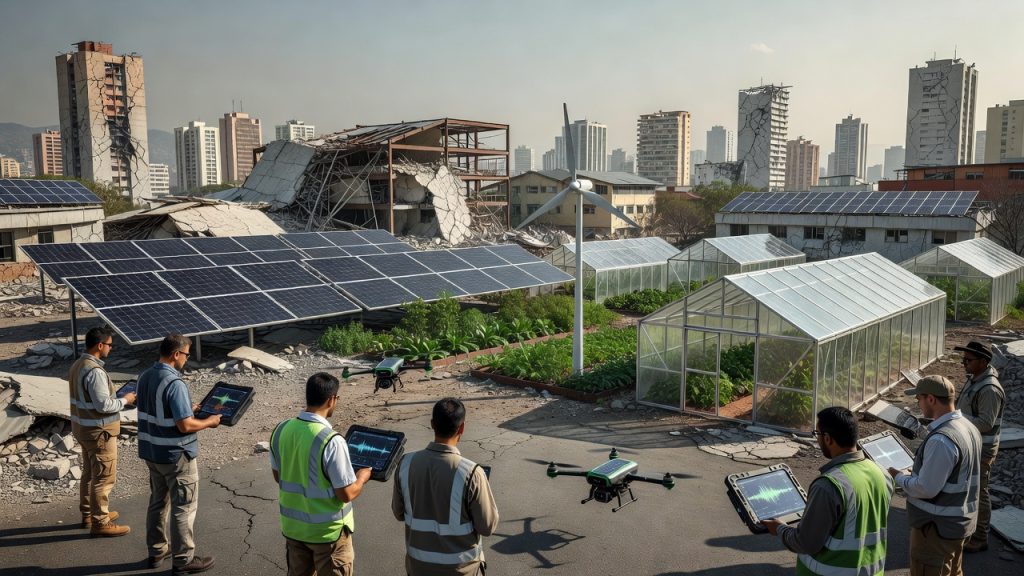
Venezuela has recently been rocked by a catastrophic event that underscores the unpredictability of nature and the resilience of humanity. A series of two devastating earthquakes have left the nation in turmoil, marking one of the most consequential natural disasters in recent Latin American history.
The Immediate Impact
The earthquakes in Venezuela have resulted in the tragic loss of 188 lives and injuries to over 1,500 individuals. Communities have been left in ruins, with dozens still missing. This disaster has drawn global attention, highlighting the urgent need for international support to mitigate the crisis.
Contextual Challenges
To fully grasp the gravity of the situation, it’s essential to consider the context in which these events have occurred. Venezuela’s political instability and economic challenges have severely hampered its disaster response capabilities. The earthquakes have exposed critical gaps in the country’s infrastructure and emergency preparedness.
Global Humanitarian Response
The international community has responded swiftly to Venezuela’s plight. The Red Cross has delivered 40 tons of humanitarian aid from Panama, while the Vatican contributed 100,000 euros. The European Union has activated civil protection mechanisms, and the United States has announced a 150 million dollar aid package to bolster rescue operations.
Diplomatic Implications
This crisis has led to a significant diplomatic development: the temporary lifting of certain U.S. sanctions on Venezuela. This strategic move aims to facilitate the flow of humanitarian aid, demonstrating how urgent humanitarian needs can transcend political divides, albeit temporarily.
The Human Cost
The human cost of this disaster is profound. Among the deceased are two Spanish citizens, with 80 others still missing. The loss of a Venezuelan embassy worker and his wife in Caracas further personalizes the tragedy, reminding us of the individual stories behind the statistics.
Looking Ahead
In the immediate aftermath, the focus remains on relief efforts and survivor safety. However, long-term challenges loom, including potential shifts in diplomatic relations, reconstruction policies, and regional disaster preparedness. This disaster raises critical questions about Venezuela’s capacity to address its infrastructural weaknesses and enhance resilience to future calamities.
Lessons Learned
This tragedy highlights the delicate balance between human development and natural forces, underscoring the need for robust emergency response systems. It also emphasizes the importance of international cooperation in addressing crises that transcend borders. Venezuela’s experience could redefine how global powers engage with politically complex environments during natural disasters.
Share your thoughts in the comments below.