EU Green Deal Under Pressure: What the Rollback of Climate Rules Means for Europe
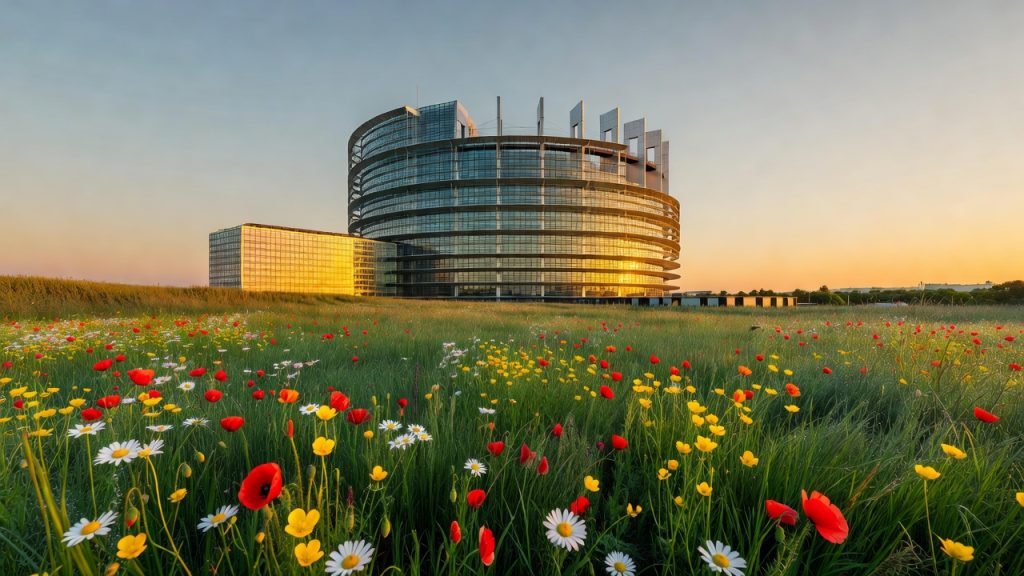
The European Union’s Green Deal was once heralded as the most ambitious climate policy framework in the world. Launched in 2019, it set a clear course: cut greenhouse gas emissions by at least 55% by 2030 and reach climate neutrality by 2050. But in 2024 and into 2025, a quieter story has been unfolding — one of rollbacks, delays, and narrowed ambitions that are reshaping what the Green Deal will actually deliver.
Sustainability Reporting and Supply-Chain Rules: A Shrinking Net
Two of the Green Deal’s most consequential tools for corporate accountability are being significantly weakened. The Corporate Sustainability Reporting Directive (CSRD), designed to require thousands of companies to disclose detailed environmental and social data, has seen its scope reduced. Revised thresholds now limit mandatory reporting to fewer large corporations, exempting many mid-sized businesses that were originally included. Critics argue this creates a transparency gap — investors, consumers, and regulators will have less data to assess corporate environmental performance.
Similarly, the EU’s Corporate Sustainability Due Diligence Directive (CS3D) — which would have required companies to audit and address environmental and human rights risks across their supply chains — has been delayed and reduced in scope. The EU Deforestation Regulation, which aimed to ban products linked to forest destruction from the European market, has also faced postponements under pressure from trading partners and industry lobbies.
- CSRD scope narrowed: fewer companies now fall under mandatory sustainability reporting
- CS3D delayed and weakened: supply-chain due diligence requirements reduced
- EU Deforestation Regulation: implementation pushed back amid diplomatic and industry pressure
Proponents of simplification argue these changes reduce administrative burden, especially for smaller firms. But environmental advocates warn that without robust reporting and supply-chain transparency, the EU loses its ability to verify whether climate policy commitments are actually being met at the corporate level.
Carbon Markets: Expansion on Paper, Uncertainty in Practice
The EU’s Emissions Trading System (ETS) remains the backbone of European carbon markets, and the European Commission has confirmed that a new ETS covering buildings and road transport fuels — known as ETS2 — is scheduled to launch in 2027. This would extend carbon pricing to sectors responsible for a significant share of EU emissions that have historically been harder to regulate.
However, reporting from DW and other outlets suggests that member states are pushing back on some carbon-pricing timelines, introducing uncertainty for businesses and consumers trying to plan ahead. The political sensitivity of carbon costs on household energy and fuel bills — particularly after the cost-of-living pressures of recent years — is making some governments cautious about implementation speed.
This tension is not unique to Europe. Globally, carbon pricing schemes face similar political headwinds, from Canada’s fuel levy controversies to debates over emissions trading in Asia. The EU’s ability to hold its course on environmental regulation will be closely watched as a signal of what is politically achievable elsewhere.
Financing the Transition: Where the Money Still Flows
Despite the regulatory softening, the EU’s clean-transition financing architecture remains substantial. NextGenerationEU, the €800 billion post-pandemic recovery fund, continues to channel significant resources into clean energy, digital infrastructure, and resilience. REPowerEU has accelerated investment in renewables and energy independence following the energy crisis triggered by Russia’s invasion of Ukraine. Cohesion Policy funds are also being directed toward green infrastructure across member states.
The European Commission maintains that the Fit for 55 legislative package — the set of laws underpinning the 55% emissions reduction target — remains intact in its core architecture. Renewable energy and energy efficiency targets have been raised, and the Carbon Border Adjustment Mechanism (CBAM) is being phased in to prevent carbon leakage.
What This Means for Citizens, Businesses, and Policymakers
The picture that emerges is one of a Green Deal under negotiation with itself. The headline targets remain, but the enforcement and transparency mechanisms that would make them credible are being trimmed. For businesses, reduced compliance requirements may offer short-term relief, but they also reduce the clarity and predictability that serious long-term investment in sustainability requires. For citizens, weaker supply-chain rules mean less assurance that the products they buy meet the environmental standards the EU claims to uphold.
The key takeaway: the EU Green Deal is not dead, but it is being quietly renegotiated. The 2030 and 2050 targets are still on paper. Whether the regulatory infrastructure to achieve them survives the current wave of simplification will determine whether Europe’s climate ambitions remain a genuine policy programme — or become an increasingly aspirational statement.