EU’s 90% Emissions Cut Target by 2040: What It Means for Europe and the Planet
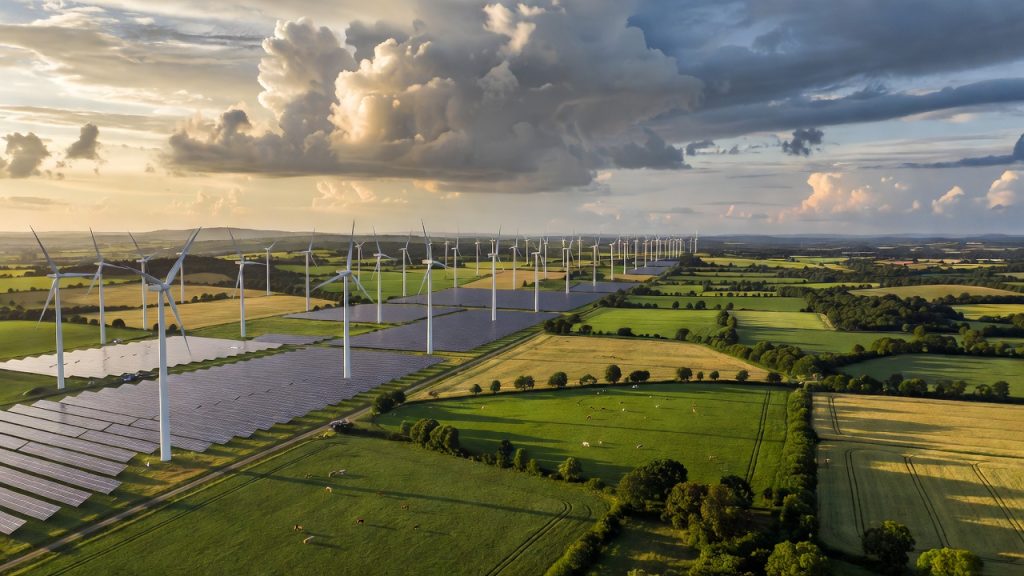
The European Union has taken one of its most consequential steps yet in the fight against climate change. EU member states have given final approval to a 2040 climate target requiring a 90% reduction in greenhouse gas emissions compared to 1990 levels — a decision that sets a clear trajectory toward the bloc’s 2050 net-zero goal and sends a powerful signal to industries, investors, and trading partners worldwide.
The move arrives at a turbulent moment for global environmental policy, with fossil-fuel negotiations stalling at COP30 in Brazil, China charting its own uneven decarbonization path, and major clean-energy projects like Exxon’s hydrogen initiative hitting commercial dead ends. Europe’s approval of this target is significant precisely because it cuts through that uncertainty with a legally binding commitment.
A Landmark Target — But Not Without Tension
The 90% emissions-reduction goal is ambitious by any measure. It bridges the EU’s existing 2030 target of at least 55% net emissions cuts and the 2050 climate neutrality objective, giving businesses and policymakers a clearer long-term roadmap. For sectors like heavy industry, transport, and agriculture, this means decarbonization pressure will only intensify over the next 15 years.
Yet the political backdrop is complicated. In the same legislative period, EU countries also approved a significant rollback of the Corporate Sustainability Due Diligence Directive (CSDDD) — rules that would have required large companies to identify and address environmental and human-rights risks across their supply chains. The scaling back of these rules, welcomed by many businesses but condemned by climate and rights advocates, illustrates the persistent tension at the heart of European environmental policy: ambition on targets, hesitation on enforcement mechanisms.
This contradiction matters. Tighter climate targets without robust supply chain accountability could shift emissions and pollution burdens elsewhere — undermining the very biodiversity and conservation goals the EU champions through frameworks like the Nature Restoration Law.
The Global Picture: Uneven Progress and Fossil-Fuel Deadlock
Europe does not act in a vacuum. At COP30 in Belém, Brazil, negotiations among nearly 200 countries intensified over the future of fossil fuels — but a draft agreement removed earlier language calling for a global exit strategy from coal, oil, and gas. The omission signals how far the international community remains from consensus on phasing out the primary driver of climate change, and suggests talks may extend well beyond the official deadline.
Meanwhile, China — the world’s largest emitter — announced plans to cut its carbon intensity by 17% during its current five-year plan. While meaningful, carbon intensity reductions do not necessarily translate into absolute emissions cuts if the economy continues to grow rapidly. The gap between intensity targets and absolute reduction commitments remains one of the defining fault lines in global climate diplomacy.
On the clean-energy transition front, Exxon Mobil’s decision to halt one of the world’s largest planned hydrogen projects due to weak customer demand is a sobering reminder of the commercial challenges facing renewable energy alternatives. Hydrogen has long been positioned as a key solution for decarbonizing hard-to-abate sectors, but without sufficient industrial buyers and supportive policy frameworks, even well-funded projects struggle to reach viability.
Implications for Citizens, Business, and Policy
For European citizens, the 2040 target will gradually reshape daily life — from the cost and source of home heating to the vehicles available on the market and the carbon footprint of food and goods. Energy and transport policy will need to accelerate significantly to stay on track.
For businesses, the message is clear: decarbonization is no longer optional. Companies that treat the 2040 target as a distant concern risk being caught unprepared as regulations tighten, carbon pricing rises, and low-carbon competitors gain market share. The rollback of supply chain due diligence rules may offer short-term relief, but it does not change the underlying direction of travel.
For policymakers, the challenge is coherence. Approving a 90% emissions target while simultaneously weakening environmental accountability tools risks sending mixed signals — to markets, to trading partners, and to citizens who increasingly demand meaningful action on pollution, biodiversity loss, and climate resilience.
Key takeaway: The EU’s 2040 climate target is a genuine milestone in global environmental policy — but its credibility depends on what comes next. Closing the gap between headline ambition and on-the-ground implementation, from supply chains to clean-energy markets, will define whether Europe’s climate leadership is real or rhetorical.