EU Sets 90% Emissions Target for 2040 — But Weakens Supply-Chain Rules at the Same Time
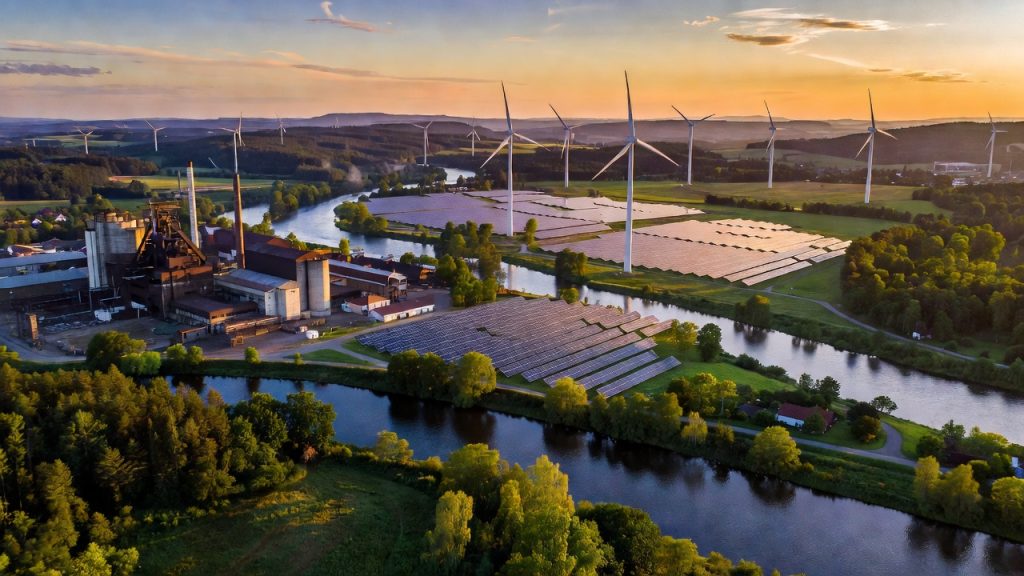
In the span of a single policy window, the European Union sent two messages to the business world — and they point in opposite directions. On one hand, the EU formally approved a 90% greenhouse-gas emissions reduction target by 2040, cementing one of the most ambitious long-term climate commitments of any major economy. On the other, EU member states gave final approval to a significant rollback of corporate due-diligence requirements on environmental and human-rights risks in supply chains. Together, these decisions define the contradictory terrain on which European sustainability and ESG strategy will be built for the next decade.
A Landmark Climate Target — and What It Demands from Business
The 2040 climate target is not a symbolic gesture. A 90% reduction in greenhouse-gas emissions relative to 1990 levels means that European industry, transport, energy, and finance must accelerate decarbonization well beyond current trajectories. For companies operating in Europe, the signal is clear: transition plans, capital allocation, and long-term strategy must align with a pathway that leaves very little room for delay.
This target also carries weight for sustainable finance. Investors, asset managers, and banks operating under EU taxonomy rules and disclosure frameworks will face growing pressure to demonstrate that their portfolios are consistent with a 90% reduction pathway — not merely with today’s incremental targets. Green business models that can credibly demonstrate alignment will gain a competitive advantage in accessing capital, while carbon-intensive sectors face increasing stranded-asset risk.
The urgency is underscored by the latest climate science. New research reported by Earth.Org estimates that global warming already reached approximately 1.37°C in 2025 and could breach the 1.5°C threshold within roughly four years. For European infrastructure, agriculture, and insurers, this is not a distant scenario — it is a near-term operational and financial risk.
The Supply-Chain Rollback: Lighter Compliance, Heavier Consequences?
The decision to scale back the EU’s Corporate Sustainability Due Diligence Directive (CS3D) reduces near-term compliance burdens for European companies — particularly for small and mid-sized firms that had raised concerns about the directive’s scope and costs. On paper, this looks like regulatory relief. In practice, sustainability professionals and civil society organisations warn it may hollow out one of the most powerful tools for enforcing corporate responsibility across global supply chains.
The original directive was designed to require large companies to identify, prevent, and account for environmental damage and human-rights abuses throughout their value chains — not just within EU borders. A weakened framework means:
- Fewer companies subject to mandatory due-diligence obligations
- Reduced oversight of suppliers in high-risk regions and sectors
- Potential divergence between EU ESG disclosure standards and actual supply-chain accountability
- Increased reputational and regulatory risk for companies that rely on self-reported supplier data
For businesses genuinely committed to ESG, the rollback creates an awkward gap: stricter emissions targets demand transformation, but weaker supply-chain rules reduce the systemic pressure to ensure that transformation is clean and fair all the way down the value chain.
Global Context: China’s Five-Year Plan and the Competitive Dimension
Europe is not setting climate policy in a vacuum. China’s latest five-year-plan documents include a 17% carbon-intensity reduction target — a tighter signal than previous cycles and one that matters enormously for global supply chains, industrial competitiveness, and sustainable finance benchmarks. As Chinese manufacturers face tightening domestic carbon constraints, the cost dynamics of imported goods and components will shift, affecting European companies’ sourcing decisions and their ability to meet scope 3 emissions targets.
This global policy convergence — imperfect and uneven as it is — reinforces the case for robust circular economy strategies and supply-chain resilience. Companies that have invested in mapping and reducing their upstream emissions and social risks are better positioned to navigate both tightening climate regulation and geopolitical supply-chain disruptions.
Implications for Citizens, Professionals, and Decision-Makers
The EU’s dual move this week reflects a broader tension in European sustainability governance: the ambition of climate targets is rising, but the regulatory infrastructure to hold corporations accountable across the full value chain is being trimmed. For decision-makers, the 2040 target provides a clear long-term anchor for investment and planning. For sustainability professionals, the supply-chain rollback means voluntary leadership and robust internal due-diligence processes matter more than ever. For citizens, the gap between ambitious targets and weakened enforcement is a democratic question worth watching closely.
Key takeaway: The EU’s 90% emissions target for 2040 is a genuine milestone for climate policy and sustainable finance — but its credibility depends on whether corporate accountability frameworks keep pace. Businesses that treat ESG as a strategic commitment rather than a compliance exercise will be better prepared for the decade ahead, regardless of where the regulatory floor is set.