U.S. Tariffs Surge: Steel and Aluminum Hit 50% – June 2, 2026 Analysis
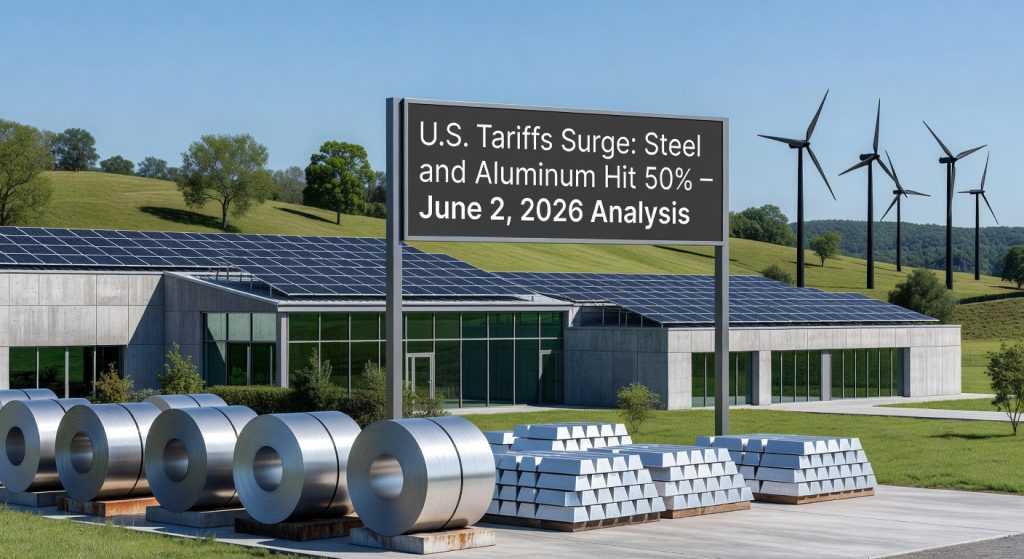
In a surprising turn of events, the U.S. administration has announced a dramatic increase in import tariffs on steel and aluminum to 50%. This significant policy shift is poised to impact not only domestic industries but also international trade dynamics. Let’s delve into the implications of this bold move.
Immediate Economic Impacts
The introduction of tariffs at such high levels represents a profound intervention in economic policymaking. Companies reliant on imported steel and aluminum now face potential increases in input costs. This could result in higher consumer prices, project delays, or reduced profit margins. While domestic producers may gain a competitive edge, downstream industries could face substantial challenges.
Strategic Implications and Global Reactions
This tariff increase is indicative of a broader strategy, using trade policies as leverage in international negotiations. The central question is whether this is merely a strategic bargaining chip or the beginning of a long-term policy shift. The ambiguity creates uncertainty for markets and policymakers alike. Trading partners may retaliate with their own tariffs, appeal to international trade organizations, or seek alternative markets, potentially straining global trade relationships.
Historical Context and Ongoing Debates
Historically, tariffs on steel and aluminum have been contentious. Proponents argue they protect domestic industries and national security, while critics claim they disrupt market dynamics and provoke retaliation. By escalating tariffs to 50%, the administration intensifies these debates, making the policy more consequential than ever.
Domestic Challenges and Uncertainty
From a domestic perspective, the policy introduces uncertainty and inflationary pressures. Businesses heavily reliant on these metals will need to reassess contracts and sourcing strategies. Investors will be on high alert for signs of inflation or economic slowdown. This atmosphere of uncertainty may stymie investments and slow economic activity as companies cautiously navigate the evolving policy landscape.
Conclusion
This bold tariff increase reflects broader geopolitical strategies and domestic priorities. It challenges the balance between protecting domestic industries and maintaining healthy international trade relationships. The implications are substantial, potentially altering the trajectory of economic policy and diplomatic relations. As the full effects unfold, this move sets the stage for significant economic and political dynamics in the coming months. Share your thoughts in the comments below.