Iran-US Tensions Rise: Strait of Hormuz Crisis – May 26, 2026
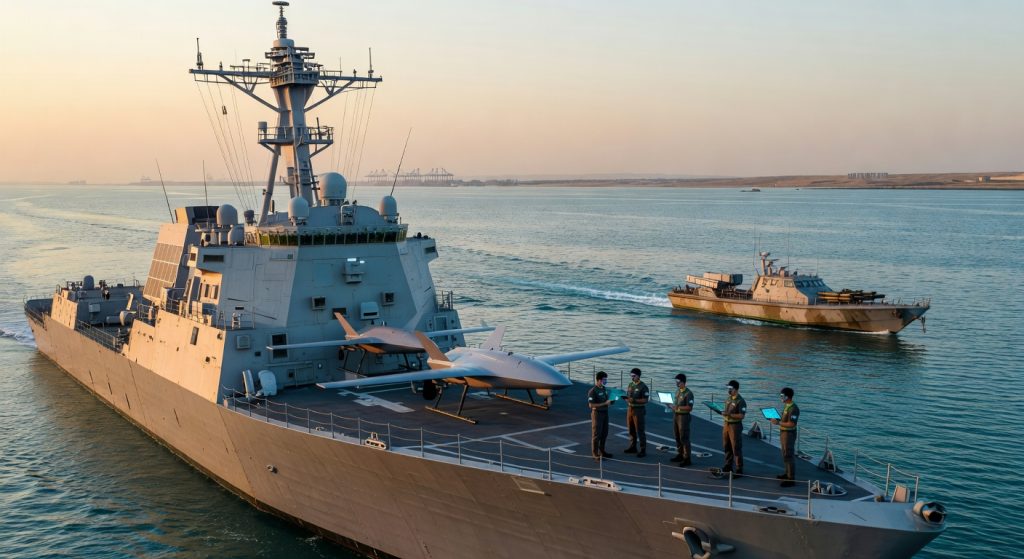
Escalating Tensions: Iran and the United States at the Strait of Hormuz
The escalating tensions between Iran and the United States, particularly surrounding the Strait of Hormuz, have captured global attention. This is not merely a regional affair; it holds significant implications for global stability and economic security. As such, it is crucial to examine the situation thoroughly.
The Strait of Hormuz: A Critical Energy Passage
The Strait of Hormuz serves as a vital artery in the world’s energy supply chain. Approximately one-fifth of the world’s petroleum passes through this narrow passage, connecting the Persian Gulf with the Arabian Sea. Disruptions here can instantly impact oil prices worldwide, affecting economies both large and small. Recently, the situation has grown precarious as the United States adopts a more assertive military stance in response to Iranian actions perceived as provocative.
Geopolitical Context and Historical Tensions
To grasp the gravity of these developments, one must consider the broader geopolitical landscape. The tensions between Iran and the United States are part of a complex web of interactions involving military confrontations, diplomatic stalemates, and economic sanctions. This cycle of escalation seems resistant to de-escalation efforts, adding volatility to the current standoff.
The Balance of Power and Military Posturing
The United States has signaled its intent to keep the Strait of Hormuz open, a task involving military resolve. While such displays aim to deter potential threats, they also risk provoking further confrontation. This delicate balance tests strategic patience and diplomatic ingenuity, affecting not just the U.S. and Iran but potentially causing ripple effects globally.
Economic Implications of Rising Tensions
The economic implications of these tensions are immediate and severe. Rising tensions can lead to higher oil prices and increased shipping insurance costs, impacting global supply chains. For nations reliant on energy imports, oil price fluctuations can affect transportation costs and goods production, potentially triggering broader economic instability. This highlights the vulnerability of global markets to regional conflicts.
Political Dimensions and Diplomatic Challenges
Beyond economics, the political dimensions of the U.S. administration’s approach are critical. Combining military posturing with diplomatic signaling aims to compel Iran to alter its course. However, critics argue that overreliance on military solutions might stymie diplomatic efforts, making peaceful resolutions more elusive.
International Response and Future Implications
International allies and partners are closely watching this situation as their economic interests intertwine with global shipping route stability. There is growing expectation for a coordinated international response should tensions escalate further. Coordination presents challenges, given differing strategic interests and domestic pressures among nations.
Should the situation worsen, potential fallout could extend beyond immediate economic shocks. Diplomatic efforts regarding other regional issues, such as hostage negotiations, could become more complicated. The broader Middle Eastern security landscape might shift, affecting longstanding alliances and emerging partnerships.
In reflecting on these developments, it is evident that this is not just a regional dispute but a moment with potential to redefine international relations and global market dynamics. The challenge lies in navigating these treacherous waters with prudence and foresight. This is a time for careful diplomacy, informed strategies, and collaborative international engagement.
Conclusion: Navigating a Complex Crisis
The multifaceted nature of this crisis requires a nuanced understanding. The interplay of military, economic, and political factors creates a complex tapestry. The outcome of this standoff will likely influence not just the immediate region but also set precedents for managing similar conflicts in the future. As we observe these unfolding events, we are reminded of the delicate balance required to maintain global peace and stability. Share your thoughts in the comments below.