EU Locks In 90% Emissions Cut by 2040: What It Means for Business, Investment, and Europe’s Climate Future
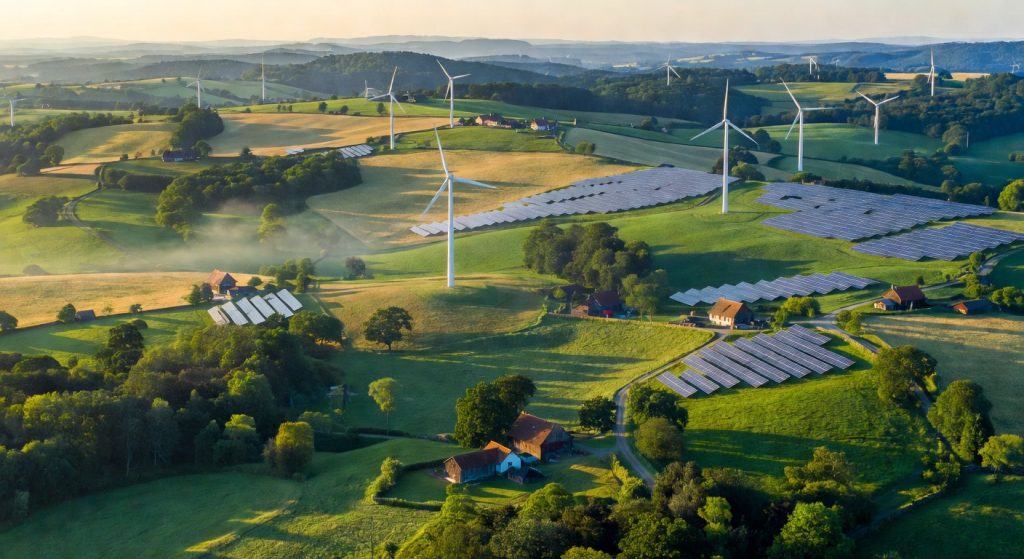
Europe has taken one of its most consequential climate steps in years. EU member states have formally approved a 2040 climate target committing the bloc to cutting greenhouse gas emissions by 90% compared to 1990 levels — a landmark decision that sets the trajectory for European climate policy well into the next decade and beyond. For businesses, investors, and policymakers, the message is unambiguous: the direction of travel is set, and decarbonization is not a trend but a structural shift.
A Binding Signal in an Uncertain Political Climate
The approval of the 2040 target is significant not just for its ambition, but for its timing. It comes amid growing political pressure across parts of Europe to soften sustainability reporting obligations, scale back corporate due-diligence requirements, and prioritize short-term economic resilience over long-term climate commitments. Against that backdrop, the formal adoption of a 90% emissions reduction goal sends a clear signal: Europe’s long-term climate architecture remains intact.
The target bridges the EU’s existing 2030 goal — a 55% net emissions reduction under the Fit for 55 package — and the bloc’s overarching ambition of climate neutrality by 2050. By locking in the 2040 milestone, the EU provides what businesses and sustainable finance markets have long requested: regulatory certainty. Long-term investment decisions in clean energy, green infrastructure, and low-carbon supply chains can now be anchored to a credible policy framework rather than shifting political winds.
For ESG-focused investors and asset managers, this matters enormously. Regulatory clarity reduces transition risk and strengthens the investment case for green bonds, sustainability-linked finance, and funds aligned with the EU Taxonomy. According to the Climate Bonds Initiative, Europe remains the world’s largest market for green bonds, and durable climate targets are a key pillar supporting that leadership.
Corporate Sustainability Under Pressure — and Opportunity
Companies operating across the EU are navigating a complex moment. On one hand, the 2040 target reinforces the long-term direction of climate regulation and the need for robust decarbonization planning. On the other, businesses are simultaneously managing geopolitical turbulence, inflationary pressures, new tariff regimes, and boardroom scrutiny of near-term performance.
This tension is reshaping how corporate responsibility is practiced. Sustainability strategies that once focused primarily on reporting and compliance are now being integrated into core business resilience planning. The circular economy — reducing waste, extending product lifecycles, and decoupling growth from resource consumption — is gaining renewed relevance as companies look for ways to cut costs and emissions simultaneously.
At the same time, a new pressure point is emerging: the explosive growth of AI and data center infrastructure. Digital expansion is driving significant increases in energy demand across Europe, with major private capital flows pouring into data center capacity. This creates both a challenge and an opportunity for green business: the need for cleaner power procurement, smarter grid integration, and energy efficiency innovation has never been more urgent. Companies that align their digital and sustainability strategies — rather than treating them as separate agendas — will be better positioned for the decade ahead.
What the 2040 Target Means for Investors and Supply Chains
The implications of the 2040 climate target ripple far beyond EU borders. Global supply chains tied to European markets will face increasing pressure to align with tighter emissions standards. The EU’s Carbon Border Adjustment Mechanism (CBAM), already in its transitional phase, is designed precisely to ensure that imported goods reflect the carbon costs applied to European producers — a mechanism that will grow in importance as the 2040 target tightens regulatory expectations.
For investors, the approved target strengthens the policy backbone behind several key sustainable finance instruments:
- EU Taxonomy-aligned investments gain a clearer long-term anchor for defining what counts as genuinely sustainable economic activity.
- Green bonds and sustainability-linked loans benefit from a more durable regulatory environment, reducing the risk of policy reversal.
- Corporate ESG disclosures — even as some reporting rules face political pushback — remain essential tools for demonstrating alignment with Europe’s climate trajectory.
Key Takeaway
The EU’s approval of a 90% emissions reduction target by 2040 is more than a political milestone — it is a structural commitment that will shape investment flows, corporate strategy, and supply chain decisions for years to come. In a world of rising geopolitical uncertainty and competing economic priorities, Europe has reaffirmed that its climate ambition is durable. For businesses and investors serious about sustainability and ESG leadership, the question is no longer whether to align with this direction — but how quickly and how credibly they can do so.