EU Green Deal at Midpoint: How Europe Is Turning Climate Ambition Into Law
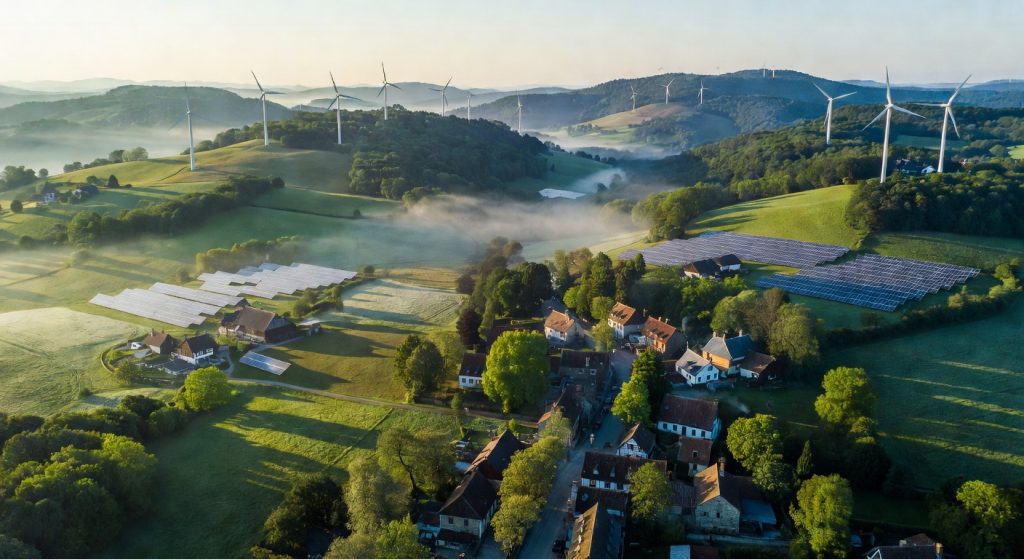
The European Green Deal was never just a vision statement. Launched in 2019 as Europe’s roadmap to climate neutrality by 2050, it has quietly become one of the most ambitious regulatory transformations in modern history. While headlines often chase the next big announcement, the real story in 2024 is quieter but arguably more consequential: implementation. The machinery of environmental regulation is turning, and its effects are being felt by businesses, governments, and citizens across the continent.
From Blueprint to Binding Law: Where the Green Deal Stands Today
According to the SEI EU Green Policy Tracker and the European Commission’s own Green Deal dashboard, the framework encompasses 168 Commission initiatives. Of those, 98 have already been formally adopted, 37 are still under negotiation, and only 5 have been withdrawn — a remarkably low attrition rate for a package of this scale and political complexity.
At the heart of the legislative architecture sits the European Climate Law, which legally enshrines the 2050 neutrality target and sets a binding intermediate milestone: reducing greenhouse gas emissions by at least 55% compared to 1990 levels by 2030. This is not an aspiration — it is an enforceable obligation, backed by the Fit for 55 package, a suite of interlocking measures covering energy efficiency, land use, transport, and industrial emissions.
The breadth of these measures matters. Climate policy in Europe no longer lives only in energy ministries; it now shapes urban planning, agricultural subsidies, corporate finance, and trade law. That cross-sectoral reach is precisely what makes the Green Deal structurally different from previous environmental commitments.
Carbon Markets, Border Measures, and the Competitiveness Question
Among the most consequential tools in the Green Deal toolkit is the reformed EU Emissions Trading System (ETS) and its companion instrument, the Carbon Border Adjustment Mechanism (CBAM). The CBAM — now in its transitional phase — places a carbon price on imports of steel, cement, aluminium, fertilizers, electricity, and hydrogen from countries without equivalent carbon pricing. It is, in effect, a climate tariff designed to prevent carbon leakage: the risk that European industry simply relocates emissions abroad.
For global trading partners, CBAM is a wake-up call. For European manufacturers, it levels a playing field that carbon pricing had previously tilted. For policymakers worldwide, it signals that the EU is willing to use trade architecture as a climate instrument — a model other blocs are watching closely.
Alongside carbon markets, revised energy efficiency rules and updates to the Land Use, Land-Use Change and Forestry (LULUCF) regulation are tightening the screws on emissions across sectors that were previously harder to regulate. The Just Transition Fund complements these measures by channelling dedicated support to coal-dependent regions and vulnerable communities facing the economic disruption of decarbonisation.
Sustainability Reporting and the Pressure on Supply Chains
For the business community, one of the most immediate pressure points is the expanding scope of sustainability reporting under EU law. The Corporate Sustainability Reporting Directive (CSRD) — a Green Deal-linked measure — requires large companies and, progressively, smaller ones to disclose detailed environmental, social, and governance data. This is not voluntary disclosure; it is auditable, standardised, and increasingly scrutinised by investors and regulators alike.
Green Deal-linked food and farm policies add another layer. Targets for pesticide and fertilizer reduction, expansion of organic farming, and mandatory action on food waste are reshaping supply chains from field to shelf. Companies sourcing agricultural commodities in or for the European market are already adapting procurement strategies in response.
What This Means for Citizens, Companies, and Policymakers
The shift from announcement to enforcement has concrete implications:
- For citizens: Energy efficiency rules will affect home renovation incentives, heating costs, and the pace of EV adoption. Just Transition funding will shape job opportunities in regions moving away from fossil fuels.
- For businesses: Sustainability reporting, carbon pricing, and supply-chain due diligence are no longer optional considerations — they are compliance obligations with financial consequences.
- For policymakers: The EU’s regulatory model is increasingly influential globally. Trading partners, from the US to India, are recalibrating industrial and trade policy in response to European climate regulation.
The key takeaway is this: the EU Green Deal has passed the test of political survival. With 98 initiatives adopted and enforcement mechanisms active, Europe’s climate policy framework is no longer a promise — it is a legal and economic reality. The next chapter is not about bold new targets; it is about whether implementation delivers the emissions cuts, the just transition, and the competitive resilience that the legislation promises. That is a harder, slower, and ultimately more important story to follow.