Oceans Are Warming Faster Than Expected — And the Carbon Sink Is Weakening
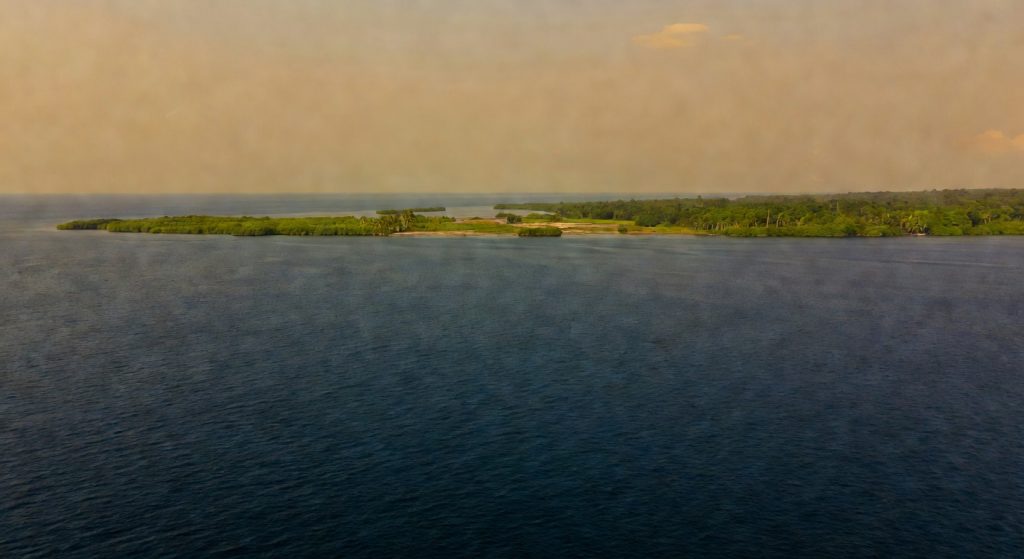
The latest synthesis of climate science is delivering a stark message: the systems we have long relied on to buffer the worst effects of climate change are under severe and growing stress. Oceans are warming faster than previously recorded, the Earth’s energy imbalance is worsening, and land-based carbon sinks — the forests and soils that absorb CO₂ — appear to be losing their capacity to keep pace with our emissions. Together, these developments are compressing the already narrow window for effective climate action.
The Ocean Is Warming — and Paying a Heavy Price
The world’s oceans absorb roughly 90% of the excess heat trapped by greenhouse gases in the atmosphere. For decades, this has acted as a critical buffer, slowing the rate of surface warming felt by human populations. But that buffer is now showing dangerous signs of strain. Recent data from the European Space Agency (ESA) and broader climate monitoring networks confirm a sharp acceleration in ocean warming, with marine heatwaves becoming more frequent, more intense, and longer-lasting.
The consequences ripple outward in multiple directions. Marine biodiversity is under acute pressure, with coral bleaching events, fish stock displacement, and the disruption of entire food webs threatening both ecosystems and the coastal economies that depend on them. For Europe, this is not a distant problem: the Mediterranean Sea has recorded record-high temperatures in recent summers, with direct impacts on fisheries, tourism, and coastal infrastructure. Globally, as oceans warm, their ability to absorb CO₂ also weakens — meaning more carbon stays in the atmosphere, accelerating the very warming that is driving the crisis.
The Carbon Sink Is Shrinking — Making Emissions Targets Harder to Reach
Alongside ocean stress, scientists are documenting a troubling decline in land-based carbon uptake. Forests, grasslands, and soils have historically absorbed around 25–30% of annual human CO₂ emissions. But droughts, wildfires, deforestation, and ecosystem degradation are eroding this capacity. When natural carbon sinks weaken, the effective carbon budget — the total amount of CO₂ humanity can still emit while staying within a given temperature threshold — shrinks further.
This has direct implications for environmental policy and climate targets. Current national policies, even accounting for recent pledges, still put the world on a trajectory of approximately 2.6°C of warming above pre-industrial levels. Staying closer to 1.5°C — the ambition of the Paris Agreement — requires not only deeper and faster emissions cuts, but also active investment in conservation, ecosystem restoration, and nature-based solutions that protect and rebuild carbon sinks. The EU’s Nature Restoration Law, despite the political battles surrounding it, reflects exactly this logic.
Health, Food Systems, and Infrastructure: The Cascading Risks
Accelerating physical climate risks do not stay neatly within environmental boundaries. Warmer temperatures are expanding the geographic range and transmission season of mosquito-borne diseases such as dengue fever — a trend already visible in southern Europe, where cases have been recorded in countries that historically had no local transmission. The World Health Organization has identified climate change as one of the greatest threats to global public health this century.
Food systems face compounding pressures: disrupted fisheries, reduced agricultural yields in heat-stressed regions, and supply chain volatility. Coastal infrastructure — ports, cities, tourism assets — faces rising insurance costs and long-term investment risk as sea levels rise and extreme weather events intensify. For businesses and decision-makers, ignoring these signals is no longer a viable strategy. Renewable energy deployment, energy efficiency, and adaptation planning are shifting from ethical choices to financial necessities.
What This Means for Europe and the Path Ahead
Europe sits at a critical juncture. The EU has committed to climate neutrality by 2050 and a 55% reduction in net greenhouse gas emissions by 2030, but the science is now signalling that ambition alone is insufficient without rapid, concrete implementation. Stronger policy packages — covering everything from pollution reduction and renewable energy acceleration to biodiversity protection and climate adaptation funding — are needed urgently.
- Accelerate renewable energy deployment to reduce dependence on fossil fuels and cut emissions at source.
- Invest in ecosystem conservation to protect and restore natural carbon sinks before further degradation occurs.
- Mainstream climate risk into infrastructure planning, public health systems, and financial regulation.
- Strengthen international cooperation, particularly with developing nations most exposed to climate impacts they did least to cause.
The key takeaway is this: the physical systems that have cushioned us from the full force of climate change are weakening faster than models anticipated. Every fraction of a degree matters, every year of delay narrows the options, and every policy decision made today will shape the conditions of the decades ahead. The science is not waiting — and neither can we.