May 20, 2026: Trump Leads New Talks to End Russia-Ukraine Conflict
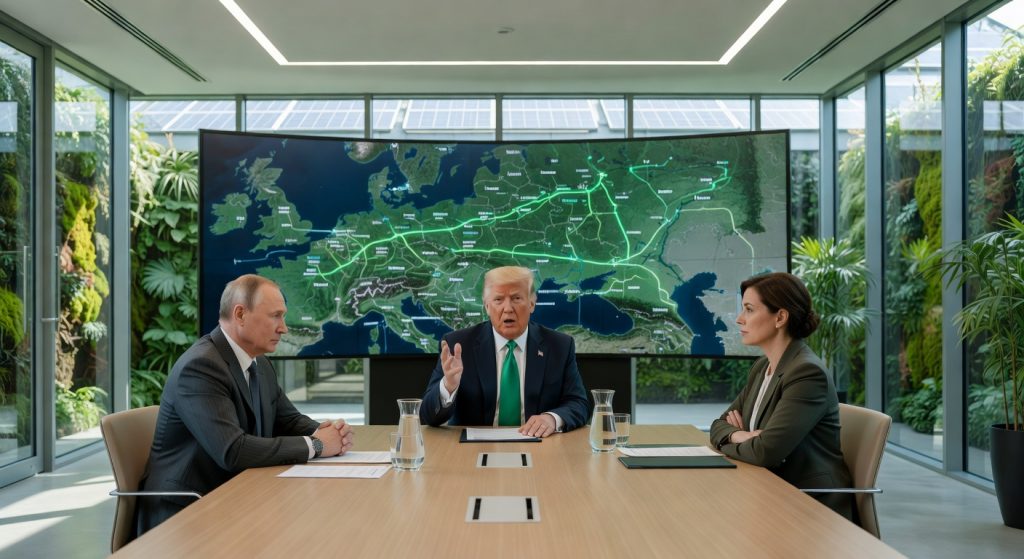
In what may be a turning point for global geopolitics, diplomatic efforts are intensifying to resolve the protracted conflict between Russia and Ukraine. Against the backdrop of a prolonged military engagement, this development could signal a shift towards diplomacy over confrontation. The announcement of imminent ceasefire talks offers a glimmer of hope in this entrenched conflict.
The Role of Former President Trump
Central to this diplomatic shift is the renewed engagement led by former President Trump, who has initiated direct communication with the leaders of both Russia and Ukraine. This marks a significant narrative change, as battlefield stalemates have persisted for over three years. The immediate commencement of negotiations suggests potential, albeit fragile, progress. Previous diplomatic attempts have repeatedly fallen short, making this development particularly noteworthy.
Global Implications of the Conflict
The war between Russia and Ukraine stands as one of the decade’s defining security crises, impacting global energy markets, NATO policies, and international law. The willingness of both nations to explore diplomatic solutions rather than continued escalation is a significant narrative shift. This warrants close attention as it may reshape global dynamics.
The Human Cost of War
The ongoing war has heavily impacted both nations. Ukraine has suffered persistent Russian missile and drone attacks, devastating its infrastructure and civilian population. Conversely, Russia faces challenges from Ukrainian attacks on its military and energy infrastructure. This cycle of action and retaliation has maintained a high humanitarian burden, affecting cities and critical facilities.
The Weight of Tentative Talks
The steps towards negotiation carry significant weight. Even a temporary ceasefire could provide much-needed respite for humanitarian efforts, such as prisoner exchanges and establishing humanitarian corridors. Though small, these steps could alleviate immediate suffering and pave the way for broader discussions on security and territorial issues.
Challenges Ahead
The path forward is fraught with challenges. The risk of talks failing is real, potentially entrenching positions further. Any agreement perceived as compromising too much could face domestic opposition in both countries. The delicate nature of these negotiations cannot be underestimated, as the stakes are immeasurably high.
Broader Consequences
The outcome of these talks could have far-reaching consequences. Successful diplomacy might ease pressures on global energy and food markets, tested by the conflict’s ripple effects. However, if diplomatic efforts falter, renewed fighting could destabilize the region further. The implications for international stability are significant.
In conclusion, while the announcement of ceasefire talks offers cautious optimism, it is a small step towards peace. Diplomacy is at the forefront of resolving one of the world’s most challenging conflicts, offering a chance to reshape the war’s trajectory. Whether this serves as a turning point remains uncertain, but it highlights the enduring importance of dialogue. As this story unfolds, remain hopeful yet realistic, as the future of millions hinges on these pivotal conversations. Share your thoughts in the comments below.