EU Green Deal Progress Report: Only 32 of 154 Targets on Track, JRC Warns
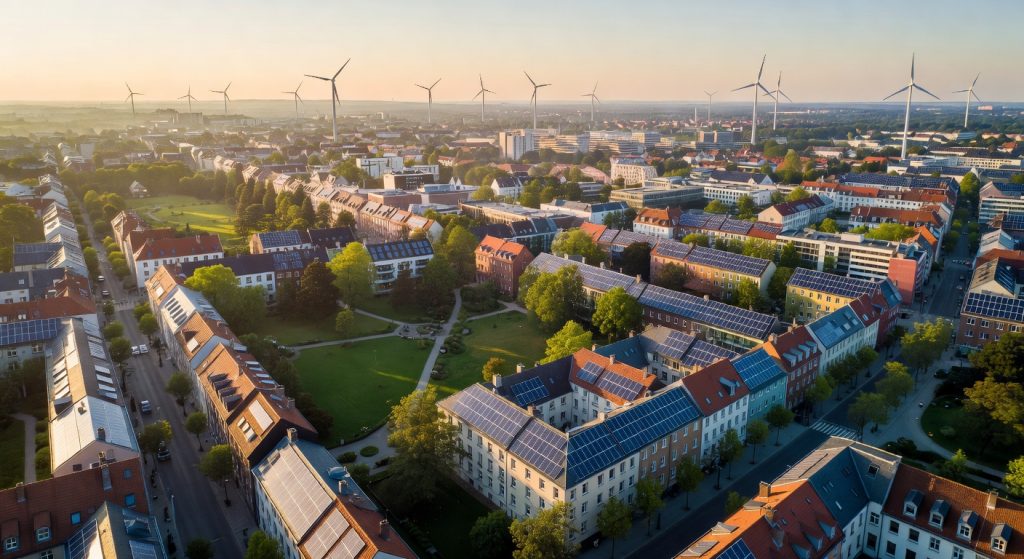
The European Union’s Green Deal was never just a promise — it was a blueprint. But a sweeping new assessment from the European Commission’s Joint Research Centre (JRC) reveals a sobering reality: of the 154 targets tracked under the Green Deal framework, only 32 are currently on track. Another 64 need acceleration, 15 are stagnating or regressing, and 43 cannot even be properly evaluated due to missing data. The message is clear — Europe has built the architecture, but the construction work is falling behind schedule.
A Policy Framework That Outpaces Its Own Delivery
The European Green Deal now encompasses more than 175 directives and regulations spanning climate, energy, transport, biodiversity, and sustainable finance. By any measure, this is one of the most ambitious regulatory overhauls in the EU’s history. Yet the JRC’s findings expose a structural tension at the heart of European climate policy: the gap between legislative ambition and real-world implementation.
This is not simply a bureaucratic problem. When targets on renewable energy deployment, biodiversity protection, or emissions reduction slip, the consequences are felt in ecosystems, communities, and balance sheets. The EU’s own data shows that more than 40% of tracked targets lack sufficient data to even assess progress — a transparency deficit that itself undermines the credibility of the transition.
For decision-makers, the JRC report is a call to shift focus. The era of landmark announcements may be giving way to a harder, less glamorous phase: enforcement, funding allocation, and cross-border coordination. As the report implicitly suggests, execution now matters more than new legislation.
Carbon Pricing and Competitiveness: The Global Stakes
Among the Green Deal’s most consequential tools is the Carbon Border Adjustment Mechanism (CBAM), which is already reshaping global supply chains by requiring importers to account for the carbon embedded in goods entering the EU market. CBAM is a direct extension of the EU’s carbon pricing architecture — and a signal to trading partners worldwide that the EU intends to defend its climate standards at the border.
The competitiveness debate, however, is intensifying. European industry faces higher energy costs and stricter environmental regulation than many global competitors, and the political pressure to ease that burden is real. The recent review of several Green Deal measures — including adjustments to the Corporate Sustainability Due Diligence Directive (CSDDD) — reflects this tension. The risk is that regulatory retreats, framed as pragmatic adjustments, gradually erode the coherence of the climate policy framework.
Carbon markets remain central to the EU’s strategy. The EU Emissions Trading System (ETS) continues to price carbon across key sectors, and its extension to buildings and road transport is set to deepen its reach. But price volatility and political sensitivity around energy costs mean that carbon market credibility must be actively defended — not taken for granted.
Sustainability Reporting and the Accountability Gap
For businesses, the regulatory landscape is becoming significantly more demanding. The Corporate Sustainability Reporting Directive (CSRD) requires thousands of companies — including many non-EU firms operating in the European market — to disclose detailed ESG performance data. Combined with the CSDDD’s value-chain due diligence requirements, these rules are designed to make sustainability claims verifiable and supply-chain risks visible.
Yet the JRC’s data gap finding is telling: if the EU itself struggles to measure progress on 43 of its own targets, the challenge of building reliable corporate sustainability reporting at scale becomes even clearer. The standards are ambitious; the data infrastructure to support them is still catching up.
What This Means for Citizens, Companies, and Policymakers
- Citizens are beginning to see Green Deal benefits — cleaner energy, better product labelling, stronger nature protections — but the pace remains too slow to meet 2030 and 2050 goals on time.
- Businesses face sustained regulatory pressure on emissions, reporting, and supply chains, regardless of short-term political adjustments.
- Policymakers must prioritise implementation support, just transition funding, and data quality — not just new legislation.
The key takeaway from the JRC assessment is both a warning and an opportunity. Europe has the policy framework. What it needs now is the political will, institutional capacity, and financial muscle to deliver on it — before the window to meet its own climate targets closes for good.