Renewables Are Overtaking Coal: What the 2025 Energy Milestone Means for Europe and Beyond
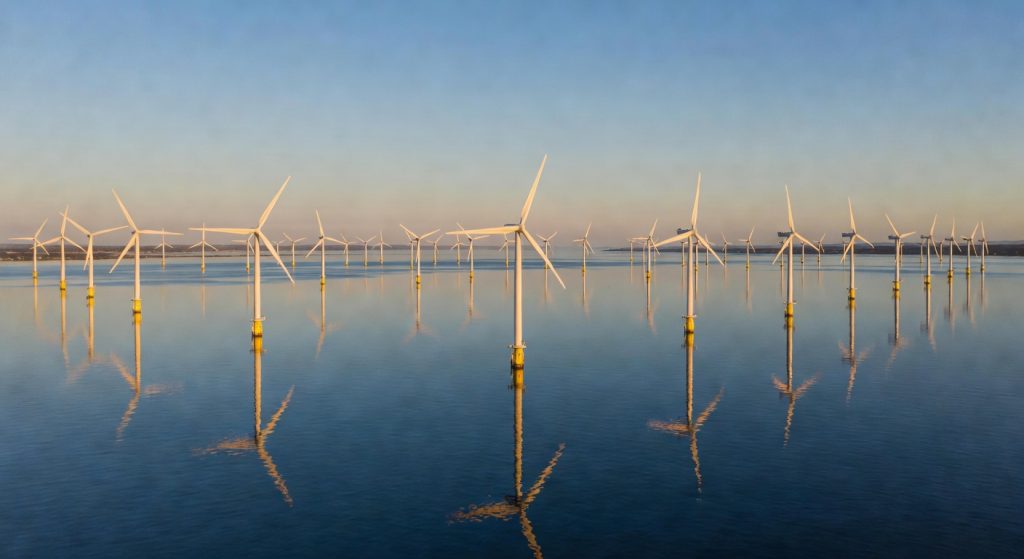
For the first time in the history of modern electricity, renewable energy is on track to generate more power than coal globally in 2025. According to the International Energy Agency (IEA), solar and wind are growing so rapidly that each will individually surpass nuclear generation by 2026. These are not projections from an optimistic think tank — they are assessments from the world’s foremost energy authority, and they signal a structural shift that is already reshaping how governments, businesses and citizens think about energy security, affordability and climate action.
Solar, Wind and Storage: A Policy-Driven Surge
The acceleration of renewable energy deployment is not happening by accident. It is the direct result of sustained policy support on both sides of the Atlantic and beyond. In the United States, the Inflation Reduction Act (IRA) has triggered a manufacturing boom: the U.S. Department of Energy reports that more than 95 GW of solar supply-chain manufacturing capacity has been announced or added since the IRA came into force, alongside a record 14.1 GWh of grid-scale energy storage deployed in just the first half of 2024 alone.
In Europe, the picture is equally dynamic. The EU’s REPowerEU plan and the Net-Zero Industry Act are pushing member states to fast-track permitting and scale up domestic clean-energy manufacturing. The result is a continent increasingly serious about reducing its dependence on imported fossil fuels — a lesson learned painfully in the wake of Russia’s invasion of Ukraine. Lower technology costs for solar panels, wind turbines and battery storage systems are making new projects financially attractive even without subsidy, compressing the economics of the energy transition in ways that would have seemed implausible a decade ago.
Hydrogen and Industrial Decarbonization: From Plans to Reality
Beyond electricity generation, the decarbonization of heavy industry is beginning to move from ambition to execution. A landmark example: a 200-MW electrolyser project in Rotterdam — one of Europe’s largest industrial hubs — has recently reached its final investment decision. This is significant. Green hydrogen, produced by splitting water using renewable electricity, has long been discussed as the solution for hard-to-abate sectors like steel, chemicals and shipping. Projects like Rotterdam’s show that the technology is crossing the threshold from pilot scale to industrial reality.
Efficient resource management is central to hydrogen production: electrolysers consume substantial quantities of water, and siting projects near reliable freshwater sources or investing in water recycling systems will be a growing consideration for developers. Energy efficiency in the electrolysis process itself is also improving, with next-generation systems promising higher hydrogen yields per unit of renewable electricity consumed.
The Bottleneck Nobody Is Talking About Enough: The Grid
Despite the headlines about gigawatts and gigawatt-hours, the single greatest constraint on the energy transition is one of the least glamorous: electricity grid infrastructure. Integrating large volumes of variable solar and wind power requires upgraded transmission lines, smarter network management and, crucially, far more storage capacity. Australia is actively planning new Renewable Energy Zones (REZs) and transmission corridors to unlock its vast renewable potential. Europe faces a similar challenge, with grid connection queues stretching years in countries like Germany, Italy and Poland.
Key risks and opportunities in this space include:
- Transmission bottlenecks that delay project commissioning and increase costs for developers
- Supply-chain constraints for transformers, cables and grid components — demand is outpacing manufacturing capacity
- Battery storage deployment as both a grid-stability tool and a new revenue stream for energy investors
- Demand-side flexibility — smart meters, heat pumps and electric vehicles as active participants in grid balancing
What This Means for Citizens, Businesses and Policymakers
For citizens, the energy transition promises gradually lower and more stable electricity bills, reduced air pollution and greater energy independence — but the benefits will not be evenly distributed without deliberate policy design. For businesses, the window to lock in competitive clean-energy supply agreements and invest in electrification is narrowing as demand rises. For policymakers, the priority must shift from incentivising generation alone to unblocking the grid, streamlining permitting and ensuring that the transition is socially just.
The key takeaway is this: the energy transition has moved beyond the question of whether renewables can compete — they already do. The defining challenge of the next five years is building the infrastructure, industrial capacity and governance frameworks to absorb and distribute clean energy at the speed the climate requires. Europe, with its regulatory ambition and industrial base, is well positioned to lead — but only if it closes the gap between policy targets and on-the-ground delivery.