EU Locks In 90% Emissions Cut by 2040: What It Means for Europe and the Planet
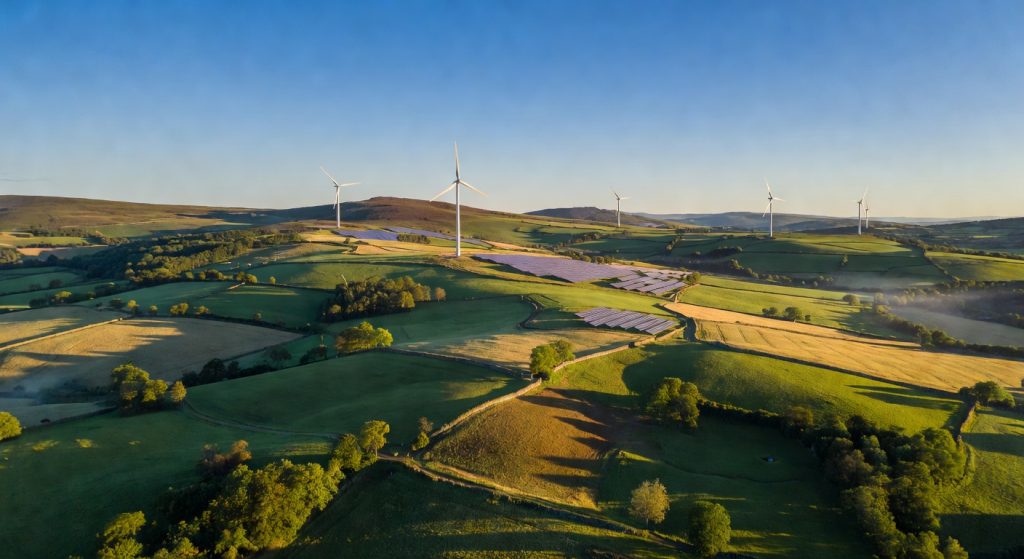
The European Union has taken one of the most consequential steps in its climate history. EU member states have given final approval to a legally binding target to cut greenhouse-gas emissions by 90% by 2040, compared to 1990 levels. The decision cements Europe’s position as a global leader in environmental policy — but it also raises urgent questions about how the bloc will get there, and whether the rest of the world is keeping pace.
A Landmark Decision Under Political Pressure
The road to this milestone was not smooth. Political resistance from several member states — particularly those with carbon-intensive economies and heavy industry sectors — made the final approval far from guaranteed. Yet the decision passed, sending a clear signal to energy markets, investors, and businesses across the continent: decarbonization is no longer optional.
The 2040 target sits between the EU’s existing 2030 goal (at least 55% net emissions reduction) and the long-term objective of climate neutrality by 2050. For sectors like power generation, transport, construction, and heavy industry, this intermediate milestone creates a defined window — roughly 15 years — to fundamentally restructure operations, supply chains, and energy sources. Renewable energy deployment, energy efficiency upgrades, and the phase-out of fossil fuels will all need to accelerate significantly to meet this benchmark.
For citizens, the implications are equally tangible: from the heating systems in their homes to the cars they drive and the products they buy, the transition will reshape daily life across Europe.
Global Context: Progress, But a Dangerous Gap Remains
Europe’s ambition stands in sharp contrast to the broader global picture. A recent report from the UN Environment Programme (UNEP) found that current national pledges put the world on track for approximately 2.3–2.5°C of warming above pre-industrial levels — and that existing policies, if unchanged, could lead to 2.8°C. Both scenarios far exceed the 1.5°C threshold scientists consider critical to avoiding the worst climate impacts.
China, the world’s largest emitter, has announced plans to cut carbon dioxide emissions per unit of GDP by around 3.8% in 2026 — a meaningful signal, though critics argue it falls short of the absolute emissions reductions needed. For European manufacturers and global supply chains, China’s trajectory matters enormously, both as a competitor and as a key partner in the clean energy transition.
The gap between political promises and real-world action on climate change remains one of the defining challenges of this decade. Biodiversity loss, pollution, and ecosystem degradation continue to accelerate alongside rising temperatures, compounding the risks for communities and economies worldwide.
Extreme Weather Is Already Here — and Getting Worse
The urgency behind these targets is not abstract. New scientific research has shown that human-caused climate change amplified Hurricane Helene’s rainfall by approximately 10% and its wind intensity by around 11%. Events like this are becoming more frequent and more destructive — a reality that carries direct consequences for insurers, infrastructure planners, and conservation efforts.
Across Europe, flooding, prolonged heatwaves, and coastal erosion are already straining public systems and private assets. Adaptation and resilience are no longer secondary concerns — they are becoming central pillars of environmental policy alongside mitigation efforts. Investment in sustainable infrastructure, early-warning systems, and nature-based solutions for conservation will be essential complements to emissions reduction targets.
What Comes Next for Businesses and Citizens
The EU’s 2040 climate target will now cascade into national climate plans, sectoral regulations, and investment frameworks across the bloc. Key implications include:
- Energy investment: Renewable energy capacity will need to expand at record pace, with solar, wind, and green hydrogen at the forefront.
- Industry transformation: Steel, cement, chemicals, and other hard-to-abate sectors face mounting pressure to adopt clean technologies or risk stranded assets.
- Policy alignment: National governments must update their climate action plans to reflect the new milestone, with the European Commission expected to monitor compliance closely.
- Consumer impact: From building renovations to electric mobility, households will increasingly feel — and benefit from — the shift toward cleaner systems.
The key takeaway: The EU’s approval of a 90% emissions cut by 2040 is a defining moment for European climate ambition. It raises the bar for industry and governments alike, while the global data reminds us that ambition must translate into action — fast. The climate is not waiting for consensus.