EU’s 90% Emissions Target by 2040: A Bold Climate Commitment Under Corporate Pressure
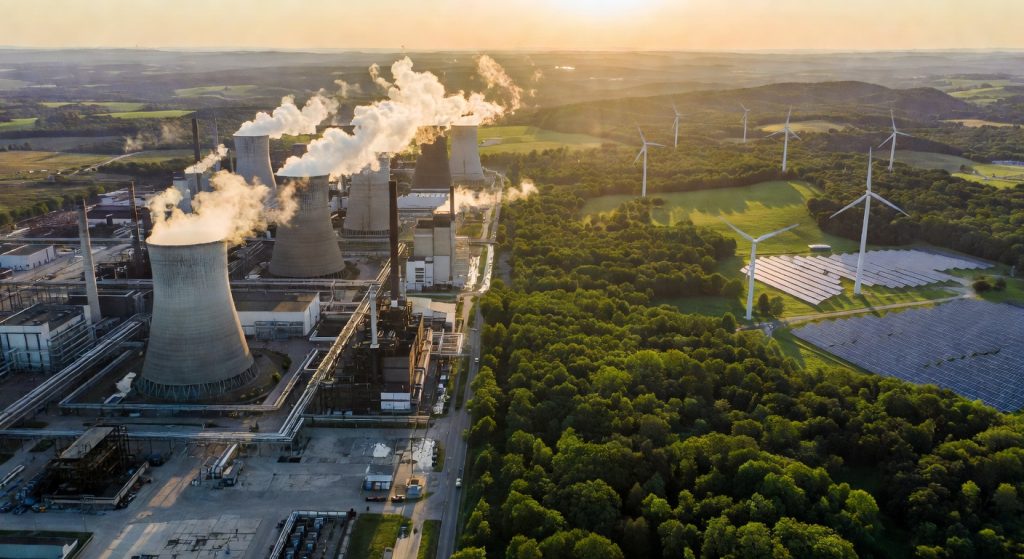
The European Union has taken one of its most decisive steps yet in the fight against climate change, formally approving a target to cut greenhouse gas emissions by 90% by 2040 compared to 1990 levels. The decision, confirmed by EU member states, cements Europe’s position as a global leader in climate ambition — but it arrives at a moment of growing tension between regulatory boldness and business-friendly backtracking that is reshaping the sustainability and ESG landscape across the continent.
A Landmark Target, But a Complicated Context
The 90% emissions reduction target for 2040 is not just a number — it is a legally binding milestone bridging the EU’s existing 2030 climate goal (a 55% net reduction) and the overarching ambition of climate neutrality by 2050. For businesses, investors, and policymakers operating within ESG frameworks, this target sends a clear long-term signal: the transition is non-negotiable, and corporate strategies must align accordingly.
Yet the very week this target was finalized, the EU also moved to scale back its Corporate Sustainability Due Diligence Directive (CSDDD), diluting requirements that would have obliged large companies to identify and address environmental and human rights risks across their supply chains. The rollback followed sustained lobbying from business groups and pressure from governments including the United States and Qatar — a reminder that even the most ambitious regulatory frameworks are vulnerable to political and commercial headwinds.
For ESG professionals and sustainable finance practitioners, this contradiction is more than symbolic. It raises a fundamental question: can voluntary corporate responsibility commitments and market-driven ESG ratings fill the gap when hard regulation softens?
Corporate Decarbonization: Progress and Fragility
On the private sector side, the news is mixed. Several significant corporate renewable energy deals underscore growing momentum in green business procurement. EDP Renewables and Meta expanded their partnership to a total of 545 MW of procured clean energy, while a major food and beverage company signed a virtual power purchase agreement (VPPA) projected to avoid 32,000 metric tons of CO₂ annually. These deals reflect a maturing market for corporate power purchase agreements and demonstrate that large enterprises are increasingly embedding renewable energy into their decarbonization strategies.
However, the offshore wind sector is showing signs of strain. In California, two projects — Bluepoint Wind and Golden State Wind — voluntarily relinquished their federal leases, signaling that project economics and regulatory uncertainty continue to challenge the sector even in markets with strong political support for renewables. The circular economy agenda is also under pressure: the EU’s decision to scrap planned emissions labels for steel in its industrial revival legislation weakens one of the key transparency tools that investors and buyers rely on to assess the green credentials of industrial supply chains.
Global Rollbacks and the ESG Credibility Gap
Beyond Europe, the broader regulatory environment for sustainability is deteriorating in key markets. The Trump administration’s moves to loosen protections for the North Atlantic right whale — one of the world’s most endangered marine species — illustrate how quickly environmental safeguards can be dismantled under political pressure. Meanwhile, New Zealand’s proposed law that would ban civil lawsuits against polluting companies has drawn sharp condemnation from Greenpeace and other environmental groups, raising concerns about corporate accountability in markets that have historically embraced sustainability leadership.
These developments matter for ESG investors and rating agencies operating globally. When legal and regulatory floors are lowered, the burden of maintaining environmental and social standards shifts back onto voluntary commitments — commitments that are increasingly subject to scrutiny, legal challenge, and accusations of greenwashing.
Implications for Businesses and Investors
For companies and financial institutions navigating this landscape, several priorities emerge:
- Align strategies with the 2040 target now: The EU’s 90% reduction goal will drive tightening carbon pricing, stricter reporting requirements, and shifting capital flows. Early movers will have a competitive advantage.
- Don’t rely on regulatory minimums: With due diligence rules weakened, companies that maintain robust supply chain sustainability standards voluntarily will be better positioned with ESG-conscious investors and customers.
- Scrutinize green claims carefully: As ESG rating agencies face legal challenges and regulatory inconsistency grows, rigorous, evidence-based sustainability reporting is more important than ever for credibility.
- Monitor circular economy compliance: Despite the steel labeling setback, extended producer responsibility legislation across the EU continues to tighten — businesses must stay ahead of compliance requirements.
Key takeaway: The EU’s 90% emissions target by 2040 is a genuine and significant commitment, but its impact will depend on whether the regulatory architecture supporting it holds firm against corporate and political pressure. For businesses and investors, the message is clear — sustainability leadership can no longer be outsourced to regulation alone. In an era of rollbacks and contradictions, authentic corporate responsibility and credible ESG practices are both a competitive necessity and a moral imperative.