Strait of Hormuz Tensions: Trump Halts Project Freedom – May 7, 2026
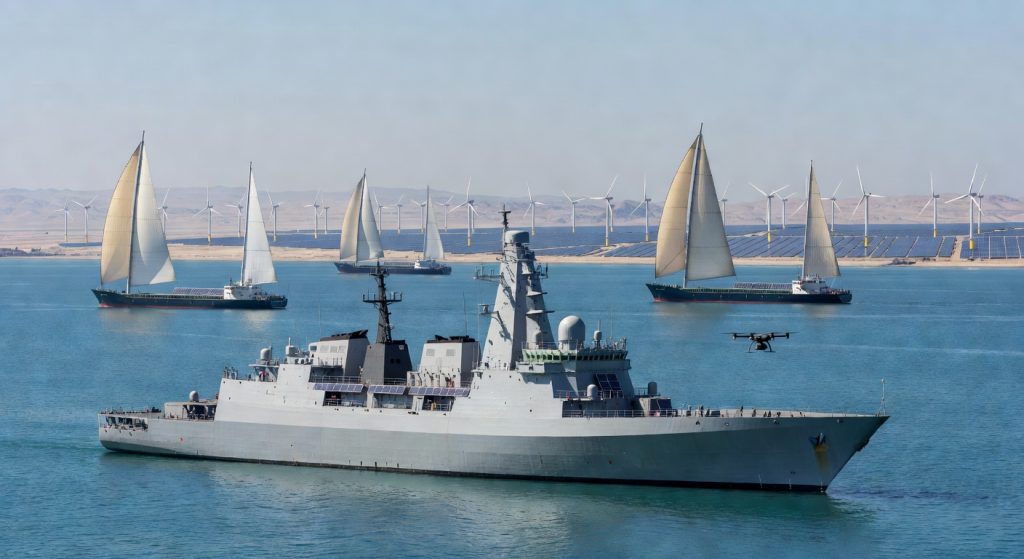
In the modern geopolitical landscape, few regions hold as much strategic and economic importance as the Strait of Hormuz. This narrow waterway, through which approximately 20 percent of the world’s oil supply flows, has become the center of attention following recent developments. President Donald Trump’s decision to temporarily halt Project Freedom, a U.S. naval operation aimed at escorting commercial shipping through this vital channel, is a maneuver fraught with implications.
The Geopolitical Context
To understand the gravity of this action, we must first grasp the context within which it unfolds. The Middle East, a region perpetually simmering with geopolitical tension, is once again a focal point of conflict. Iran’s recent aggressive actions, including ballistic missile strikes on Israel and assaults on critical infrastructure in Bahrain, have heightened the stakes. These actions have not only resulted in casualties but also underscored Iran’s growing missile capabilities and its willingness to engage in asymmetric warfare.
Iran has long utilized tactics such as mine-laying and swarm boat attacks in the Persian Gulf to exert its influence and deter adversaries, complicating efforts to maintain security in this critical corridor.
Project Freedom: A Strategic Response
Project Freedom, initiated on May 5, was a direct response to these provocations, aiming to ensure the unimpeded flow of energy resources through the Strait. The operation was framed as essential to protecting American interests and those of its allies. However, the swift decision to pause the operation suggests that diplomatic channels may have opened, potentially leading to a ceasefire agreement with Iran.
This delicate diplomatic dance highlights the challenges of navigating the volatile intersection of military might and peaceful negotiation.
Economic Implications and Global Stakes
The decision to pause Project Freedom occurs against the backdrop of an evolving Middle Eastern crisis, where retaliatory strikes and military escalations threaten to expand the conflict beyond its initial flashpoints. A broader confrontation in the Persian Gulf could have dire economic consequences globally. Any significant disruption in the Strait of Hormuz risks spiking oil prices, triggering economic shocks, and exacerbating inflation—a scenario that would reverberate through markets worldwide.
The international community is acutely aware of these stakes. G7 foreign ministers have pledged to safeguard passage through the strait should the conflict formally end, underscoring collective concern over energy security and the stability of global trade routes.
Strategic Recalibration or De-escalation?
The pause in Project Freedom, then, can be seen as a strategic recalibration rather than a full de-escalation. While the cessation of naval escorts might suggest progress toward a ceasefire, the broader U.S.-led blockade on Iran remains firmly in place. This indicates that while negotiations may be underway, the situation remains precarious, with Washington keeping a watchful eye on the fragile state of potential agreements.
For President Trump, this move represents a calculated risk. It allows the U.S. to engage in backchannel negotiations that may yield diplomatic concessions, potentially averting a wider naval confrontation.
The Path Forward
As we look to the future, the implications of these developments remain profound. A successful ceasefire could stabilize oil markets and alleviate some of the economic pressures currently faced by many nations. It could also pave the way for humanitarian aid to reach those affected by the conflict. However, the tenuous nature of any truce with Iran means that stakeholders must remain vigilant, prepared for potential shifts in the geopolitical landscape.
In conclusion, the temporary halt of Project Freedom highlights the intricate balance between military strategy and diplomatic negotiation. It is a moment of pause that buys crucial time, allowing for diplomatic efforts to potentially take root while maintaining a posture of readiness. The world’s eyes remain fixed on the Strait of Hormuz, awaiting Iran’s next move and its implications for global stability. Share your thoughts in the comments below.