Microsoft’s Bioenergy Carbon Removal Bet: What It Means for Corporate Climate Strategy in 2026
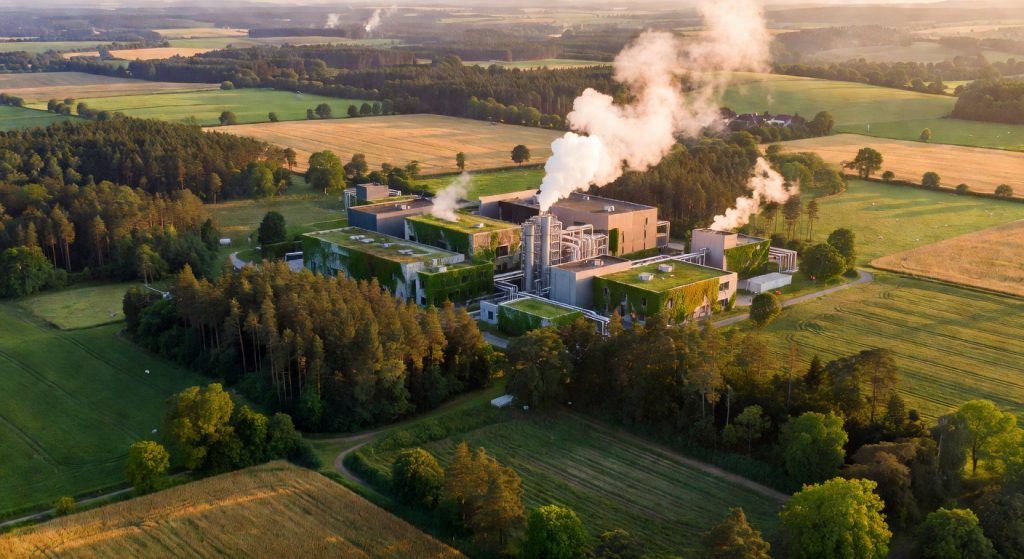
In early April 2026, Microsoft announced a significant bioenergy carbon removal (BECCS) deal, marking one of the most concrete steps yet by a major technology corporation to go beyond conventional carbon offsetting. The agreement — purchasing carbon removal credits tied to bioenergy infrastructure — is being closely watched by sustainability analysts, policymakers, and investors across Europe and beyond. It raises a fundamental question: are we finally entering an era where corporate responsibility on climate moves from pledges to measurable, permanent action?
From Net-Zero Pledges to Carbon Removal: A Structural Shift in ESG Strategy
For years, critics of corporate ESG frameworks have pointed to the gap between ambitious net-zero targets and the actual mechanisms used to achieve them. Traditional carbon offsets — often tied to forestry projects with uncertain permanence — have faced growing scrutiny from regulators and civil society alike. The European Union’s Green Claims Directive, currently moving through legislative channels, is set to crack down on vague environmental claims and low-quality offsets marketed to consumers and investors.
Microsoft’s BECCS deal represents a different approach. Bioenergy with carbon capture and storage combines the burning of biomass for energy with the capture and underground storage of the resulting CO₂ — theoretically achieving negative emissions. While the technology remains controversial (critics question land use, biodiversity impacts, and energy efficiency), its inclusion in a major corporate procurement contract signals that sustainable finance markets are beginning to price in higher-quality, more durable carbon removal solutions.
For European companies navigating the Corporate Sustainability Reporting Directive (CSRD) and incoming carbon removal certification frameworks, this deal offers a reference point: the bar for credible climate action is rising, and early movers are setting market expectations.
The European Carbon Removal Market: Opportunity and Caution
Europe is positioning itself as a global leader in regulating and scaling carbon removal. The EU’s Carbon Removal Certification Framework (CRCF), adopted in 2024, establishes criteria for certifying how much carbon is removed, stored, and monitored — a critical step toward building trust in a market that has historically been opaque. Under this framework, technologies like BECCS, direct air capture, and enhanced weathering can earn certified credits, potentially unlocking sustainable finance flows from both public and private sources.
Yet caution is warranted. BECCS at scale requires vast quantities of biomass, raising concerns about:
- Land competition with food production and natural ecosystems
- Biodiversity risks from monoculture energy crops
- Supply chain transparency and the true lifecycle emissions of biomass feedstocks
- Energy penalties — BECCS facilities consume significant energy to operate capture systems
The circular economy principle of using waste biomass — agricultural residues, forestry by-products — rather than dedicated energy crops offers a more sustainable pathway, and European policy is increasingly steering investment in that direction. Companies pursuing green business strategies would do well to scrutinise the sourcing credentials of any carbon removal they procure.
What This Means for Corporate Sustainability Across Sectors
Microsoft’s move is unlikely to remain an isolated case. As Science Based Targets initiative (SBTi) guidelines evolve and the EU tightens rules on what counts as a credible climate contribution, more corporations — from manufacturing to retail to finance — will face pressure to demonstrate genuine emissions reductions and invest in high-quality carbon removal for residual emissions they cannot yet eliminate.
For European decision-makers and sustainability professionals, the practical implications are clear:
- Internal carbon pricing strategies should account for the rising cost of quality carbon removal (currently ranging from €100 to over €400 per tonne for permanent solutions)
- Procurement teams need robust due diligence frameworks to assess carbon removal suppliers against CRCF standards
- Investor relations functions should prepare for more granular ESG disclosure requirements around carbon removal quality and permanence
The key takeaway: The era of cheap, easy carbon offsetting is ending. Microsoft’s bioenergy carbon removal deal is a signal — not a solution — that the most credible path forward for corporate sustainability combines deep emissions cuts with investment in scientifically robust, transparently governed carbon removal. European regulation is building the architecture to make this the norm. Businesses that act now, rather than waiting for compliance deadlines, will be better positioned in an increasingly scrutinised ESG landscape.