Solar Tops Europe’s Electricity Mix for the First Time — What This Historic Shift Means for Energy Costs and the Climate
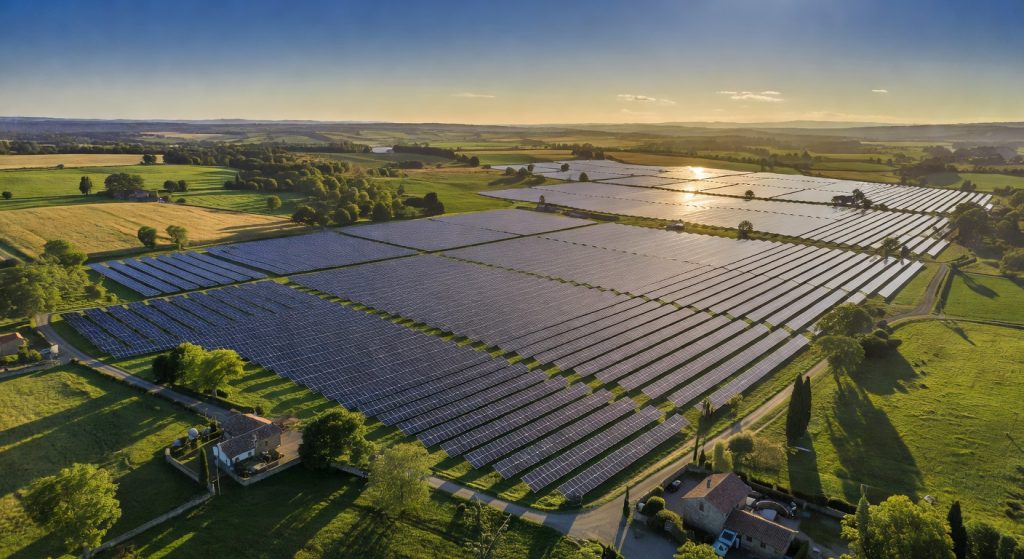
For the first time in history, solar power became Europe’s single largest source of electricity. In June 2024, solar panels across the European Union generated 22% of all electricity — surpassing gas and coal combined. It is a milestone that would have seemed improbable just a decade ago, and it signals a fundamental, irreversible shift in how Europe powers itself.
This is not an isolated data point. It is the visible peak of a much deeper transformation in energy production, resource management, and economic logic — one that is reshaping costs for households, opportunities for businesses, and the continent’s strategic autonomy.
Solar’s Rise: From Niche Technology to Market Leader
The numbers behind solar’s June record are striking. According to data from the Renewable Energy Institute and Canary Media, solar’s 22% share of EU electricity generation in a single month marks the clearest sign yet that renewable energy is no longer a supplement to the fossil fuel system — it is the system, at least during peak summer generation periods.
This cost leadership is not confined to Europe. The International Renewable Energy Agency (IRENA) reports that 91% of new renewable energy projects commissioned globally are now cheaper than fossil fuel alternatives. Wind and solar have become the lowest-cost options for new electricity generation in most of the world, driven by dramatic efficiency breakthroughs and scaled manufacturing.
For European citizens, this translates directly into lower energy bills. For businesses, it means more predictable, affordable power — a competitive advantage in an era of volatile gas markets. And for policymakers, it removes one of the last remaining economic arguments against accelerating the clean energy transition.
Green Hydrogen: Europe’s Next Clean Energy Frontier
While solar dominates today’s headlines, the energy sector is already investing heavily in tomorrow’s challenge: decarbonising the industries that electricity alone cannot easily reach — steel, shipping, chemicals, and heavy transport. Green hydrogen, produced using renewable electricity to split water through electrolysis, is emerging as the key solution.
The investment signals in Europe are now impossible to ignore:
- The UK government has awarded long-term contracts to 10 commercial-scale green hydrogen projects through its first Hydrogen Allocation Round (HAR1), directly boosting domestic production and energy security.
- Swiss firm Smartenergy secured €82.5 million in funding for its 100MW Orange.Bat green hydrogen project, advancing industrial decarbonisation innovation across Europe.
- Central and Eastern Europe is joining the wave: Poland’s Orlen Group landed a €390 million investment for hydrogen initiatives, signalling that the energy transition is broadening beyond Western Europe.
These projects share a common thread: they depend on abundant, cheap renewable electricity — exactly what solar and wind are now delivering at scale. The economics of green hydrogen improve as the cost of renewable energy falls, creating a powerful reinforcing cycle between solar expansion and hydrogen viability.
Implications for Citizens, Businesses, and Policymakers
Europe’s energy transformation carries concrete implications across society. For households, the expansion of solar capacity — both utility-scale and rooftop — is a structural force pushing electricity prices down and reducing dependence on imported fossil fuels. Energy efficiency investments, paired with clean generation, can further reduce bills and carbon footprints simultaneously.
For businesses, the convergence of cheap solar, advancing wind capacity, and emerging green hydrogen infrastructure represents both a risk-management opportunity and a competitive imperative. Companies that lock in long-term renewable energy contracts now are insulating themselves from fossil fuel price volatility.
For decision-makers, the policy message is clear: the market has validated the direction of travel. The remaining task is removing bureaucratic barriers to permitting, accelerating grid infrastructure investment, and ensuring that the benefits of cheaper clean energy reach all citizens — not only those who can afford rooftop solar panels.
It is also worth noting the resource dimension. Green hydrogen production requires significant quantities of water, raising important questions about sustainable resource management, particularly in water-stressed regions of Southern Europe. Responsible scaling of hydrogen will need to account for water availability alongside energy and carbon goals.
Key Takeaway
June 2024 will be remembered as the month solar power rewrote Europe’s energy history. But the more important story is what comes next: a continent building on that solar foundation to develop green hydrogen, deepen energy efficiency, and complete a clean energy system that is cheaper, more resilient, and genuinely sustainable. The economics are settled. The technology is proven. What remains is the political will — and the infrastructure — to finish the job.