Middle East Tensions Surge: Israel-Iran Clash Escalates, Mar 19, 2026
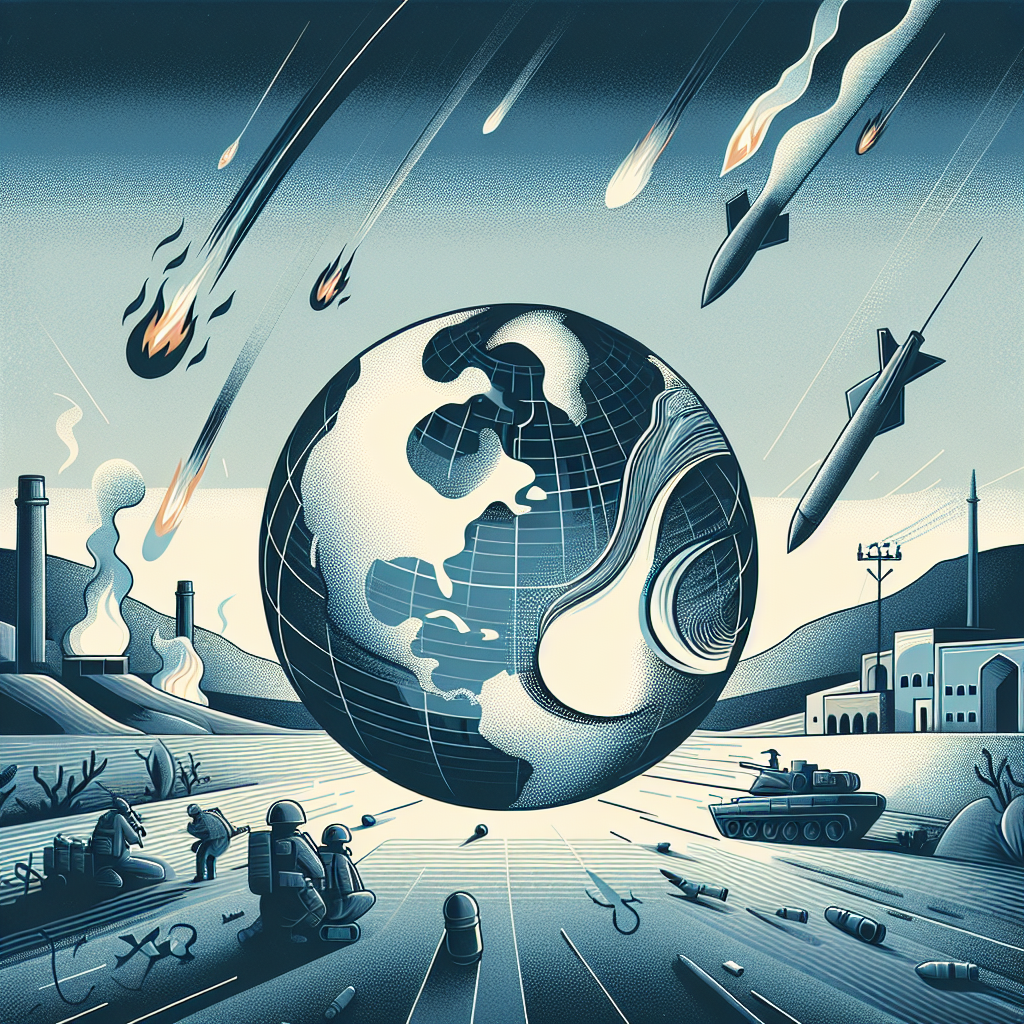
In recent weeks, the escalating conflict in the Middle East has transformed from a regional skirmish into a critical international crisis, affecting global economies and geopolitical alliances. The latest developments, including targeted military strikes and retaliatory actions, underscore the complexity and potential for widespread impact.
Escalating Tensions: A Dangerous Turn
Israel’s recent targeted strikes on Iran’s largest gas field have provoked a swift and intense response from Tehran. Iran retaliated with a missile barrage aimed at the world’s largest liquefied natural gas terminal in Qatar. This marks a dangerous turning point in a conflict already fraught with tension. As the conflict enters its third week, the absence of a clear resolution path alarms international observers, given the impact on critical energy infrastructures across the Middle East.
Ripple Effects on Global Markets
The conflict’s impact on global markets has been profound. Overnight, there have been dramatic surges in oil and gas prices, adding uncertainty to economies already recovering from previous disruptions. This escalation follows a broader Israeli campaign that has significantly weakened Tehran’s leadership structure. Iran’s multifaceted response includes military retaliation and economic measures, such as intensifying the blockade of the Strait of Hormuz, a strategic chokepoint for global oil shipments.
Global Energy Crisis Deepens
The implications of disrupted supply lines are severe, potentially deepening the global energy crisis. The United States faces rising gas prices, prompting the Federal Reserve to maintain current interest rates amid growing inflationary pressures. For countries reliant on Middle Eastern energy, such as those in Europe and Asia, the situation is dire, with immediate energy shortages looming.
Potential for Broader Conflict
The attack on Qatar’s gas terminal raises fears of a broader Gulf conflict. This complicates diplomatic efforts and threatens to involve additional nations. The escalation traces back to a U.S.-Israeli assault on Iran, initially aimed at neutralizing threats but now devolving into a prolonged struggle. Resistance from global allies to provide naval support for securing the Strait of Hormuz adds to the frustration within the U.S. administration.
Long-term Geopolitical and Economic Impacts
The conflict’s global ramifications could reshape geopolitics and economics for years. Sustained disruption in the Strait of Hormuz could push oil prices to unprecedented highs, risking recession in energy-dependent countries. This scenario might accelerate shifts toward alternative energy, though such transitions are complex. Militarily, the situation remains perilous, with risks of nuclear escalation and involvement by militant groups.
Uncertain U.S. Position
The mixed signals from the U.S. further complicate the situation. While there are boasts of successful operations, hints at potential withdrawal or de-escalation leave allies and adversaries unsure of future intentions. Domestically, support for the conflict is tenuous, with rising casualties and high-profile resignations adding to public discontent.
Broader Impact on Energy Security
Beyond military and political considerations, the conflict’s impact on energy security is significant. Reports of logistical challenges on the home front underscore vulnerabilities that could strain resources. Internationally, the energy crisis exacerbates existing vulnerabilities, from power outages to fears of broader supply chain disruptions.
In conclusion, the ongoing conflict in the Middle East presents a multifaceted challenge to global stability. Its implications are vast, affecting not just regional players but the broader international community. As the situation unfolds, the global community must navigate this complex landscape, seeking solutions that address immediate threats while considering long-term stability and security. Share your thoughts in the comments below.