Climate Risk Enters the Contract: How Europe’s Food System Is Rewriting the Rules of Supply
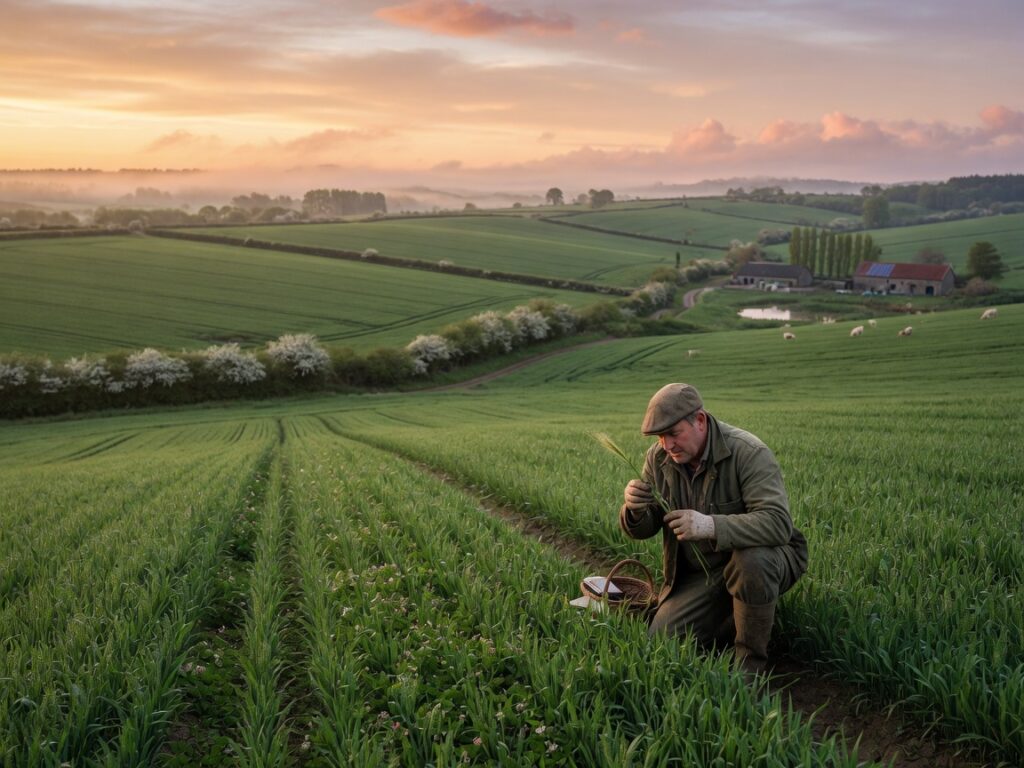
Europe’s food system is undergoing a quiet but consequential shift. Climate volatility, tightening deforestation rules, and growing pressure on farmer economics are converging into a single story: sustainability is no longer a side commitment, it is being written directly into contracts, procurement terms, and compliance frameworks. From dairy cooperatives to grain traders, the message is the same — resilience and traceability are now business-critical, not optional extras.
Climate-Ready Contracts: Risk Moves Up the Supply Chain
Extreme weather is no longer a background concern for food manufacturers — it is an operational and financial risk embedded in sourcing decisions. According to recent FoodNavigator sustainability coverage, food companies are being urged to adopt climate-ready contracts that anticipate droughts, floods, and heatwaves before they disrupt harvests and pricing.
This marks a structural change in supply chain sustainability. Traditionally, climate risk sat with growers and primary producers. Increasingly, buyers are sharing or redistributing that risk through flexible pricing clauses, contingency sourcing, and resilience requirements built into supplier agreements. For an industry reliant on predictable volumes and quality, this is a pragmatic response to a less predictable climate.
The implications extend beyond Europe. Global commodity flows — cocoa, coffee, grains — are already feeling the squeeze of erratic weather, and European buyers are among the first to formalize climate adaptation into legal and commercial frameworks rather than treating it as a reputational issue.
Deforestation Compliance and the Push for Real Traceability
The EU Deforestation Regulation (EUDR) continues to dominate compliance conversations across food and agriculture. Coverage warns that penalties for serious breaches can be severe, and that the regulatory framework may still evolve further — a reminder that businesses cannot treat compliance as a one-time checkbox exercise.
For companies sourcing palm oil, soy, cocoa, coffee, cattle, and timber-linked products, this means sustained investment in traceability systems, satellite monitoring, and supplier verification. The regulation is reshaping global trade relationships, pushing exporters in Latin America, West Africa, and Southeast Asia to upgrade documentation and land-use evidence to keep access to the European market.
This regulatory pressure is also accelerating broader adoption of agroecology principles, as producers look for farming models that reduce land-use conflict, protect biodiversity, and strengthen long-term supply security rather than simply ticking compliance boxes.
Farmer Support and the Regenerative, Plant-Based Shift
Major buyers are increasingly linking procurement to farm-level sustainability outcomes. Arla, one of Europe’s largest dairy cooperatives, is expanding its climate action programme for farmers, tying emissions reduction and resilience measures more directly to incentives and payment structures. This reflects a wider trend: sustainability performance is becoming a condition of market access, not just a marketing narrative.
At the same time, a new wave of campaigns is pushing plant-based diets and regenerative agriculture as complementary solutions to the same underlying problem — degraded soils and carbon-intensive food systems. Regenerative practices such as cover cropping, reduced tillage, and diversified rotations are gaining traction as tools to rebuild soil health while cutting input dependency.
Key themes shaping this transition include:
- Climate resilience clauses embedded directly into farm and food supply contracts
- Regenerative agriculture programs aimed at soil restoration and carbon sequestration
- Growing consumer and corporate interest in plant-based, lower-impact diets
- Stricter traceability requirements tied to EU deforestation compliance
What This Means for Businesses and Citizens
For food companies, the direction is clear: sustainability metrics, climate adaptation, and due diligence are becoming embedded in commercial terms rather than treated as voluntary ESG add-ons. For farmers, this creates both opportunity and pressure — financial support tied to climate performance can strengthen resilience, but it also raises the bar for smaller producers with fewer resources to invest in compliance and monitoring.
For citizens and consumers, these shifts will likely show up gradually — in pricing, product labeling, and the growing visibility of plant-based alternatives on supermarket shelves. The broader goal, shared across regulators, buyers, and producers, is a more resilient food systems architecture capable of withstanding climate shocks while meeting Europe’s environmental commitments.
Key Takeaway
Europe’s food and agriculture sector is entering a phase where sustainable agriculture is no longer just an environmental goal — it is becoming a contractual, financial, and regulatory requirement. Climate-ready contracts, deforestation compliance, and farmer-focused climate programs are converging into a single pressure point: supply chains must become measurably more resilient, transparent, and regenerative, or risk losing market access in a tightening European regulatory landscape.