Solar Power Tops Europe’s Energy Mix in June 2026: What This Record Means for the Green Transition
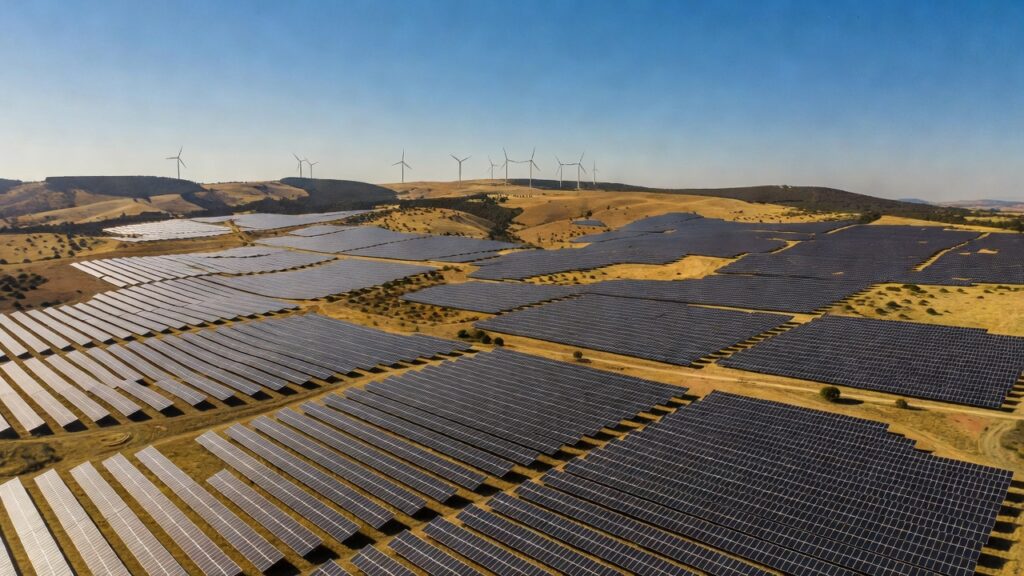
For the third time in history, the sun powered more of Europe’s electricity than any other single source. In June 2026, solar energy reached a record share of the EU’s power mix, officially becoming the continent’s largest single electricity source for the month. This is not just a statistical milestone — it is a signal that the energy transition has moved from promise to measurable reality.
Against a backdrop of record renewable growth globally, surging electric vehicle exports from China, and new carbon markets emerging in Asia, Europe’s solar achievement stands as both a local triumph and a chapter in a much larger story of green innovation reshaping the global economy.
Europe’s Solar Surge: The Numbers Behind the Milestone
June 2026 marks the third month ever in which solar overtook all other individual power sources in the EU — a frequency that would have seemed extraordinary just five years ago. Long summer days and rapidly expanding installed capacity across Germany, Spain, Italy, and the Netherlands are driving this shift. The combination of falling panel costs, supportive EU policy frameworks, and accelerating grid investment has created the conditions for solar to move from a supplementary source to a dominant one.
This milestone aligns with data from IRENA’s Renewable Energy Statistics 2026 report, which shows that renewable electricity generation grew by 9.8% in 2024 — significantly outpacing the growth rate recorded in 2023. Solar and wind together are no longer the energy sources of the future; they are the energy sources of today, and increasingly, of peak demand periods.
For European citizens, this translates into a power grid that is progressively cleaner, more resilient, and — as domestic generation scales — less exposed to the geopolitical volatility of fossil fuel imports that so painfully affected the continent in recent years.
Green Tech Innovation: The Ecosystem Behind the Record
Records like this do not happen in isolation. They are the product of an entire cleantech ecosystem — from advanced photovoltaic manufacturing and smart grid management to battery storage and digital energy platforms. The integration of solar at this scale requires sophisticated balancing technologies, demand-response systems, and increasingly, the kind of smart infrastructure that sits at the heart of smart city development across Europe.
At the same time, the global context adds complexity. China’s electric vehicle exports hit a record high in May 2026, reflecting both the maturation of electric mobility supply chains and the intensifying trade dynamics between major economies. EVs are not just a transport story — they are a green technology story, with vehicle batteries increasingly playing a role in grid stabilisation. Europe’s ability to integrate EVs into its energy system will be a key test of its smart infrastructure ambitions.
Meanwhile, Vietnam’s imminent launch of a carbon emissions trading system adds another node to a growing global carbon market network. As carbon market expansion accelerates across Asia and beyond, European companies operating internationally will need to navigate an increasingly complex but also increasingly coherent regulatory landscape.
Corporate Strategies Are Shifting — Not Always in One Direction
Not every headline in the cleantech sector points toward acceleration. Shell’s sale of its India-based renewables business, Sprng Energy, to Aditya Birla Renewables for $1.8 billion is a reminder that corporate strategies in the green energy space are being actively recalibrated. For some majors, divestment reflects a focus on core markets or short-term financial pressures. For regional players like Aditya Birla, it represents a significant opportunity to scale.
This consolidation trend deserves attention. As the renewables sector matures, we are likely to see more asset reallocation, mergers, and strategic pivots — dynamics that will shape which companies lead the next phase of the energy transition and where capital ultimately flows.
What This Means for Europe and the Road Ahead
Europe’s June 2026 solar record is a milestone worth celebrating — but also one worth interrogating. The energy transition is accelerating, yet critical challenges remain:
- Grid infrastructure must keep pace with intermittent renewable generation
- Lithium supply chains for batteries face growing scrutiny over environmental and social trade-offs
- Energy poverty must not be left behind as the system modernises
- Industrial competitiveness requires affordable, reliable clean energy at scale
The record is real. The momentum is undeniable. But sustaining it will require continued investment in green innovation, smarter regulation, and a European industrial policy that keeps the continent at the frontier of the global cleantech race.
Key takeaway: Solar becoming Europe’s top power source in June 2026 is more than a seasonal statistic — it is evidence that the structural transformation of the EU energy system is well underway. The challenge now is to build on this foundation with the infrastructure, policy, and investment needed to make clean energy dominance permanent, equitable, and resilient.