Gene-Edited Crops Without GMO Status: Chile’s Landmark Decision Is Reshaping Global Food Systems
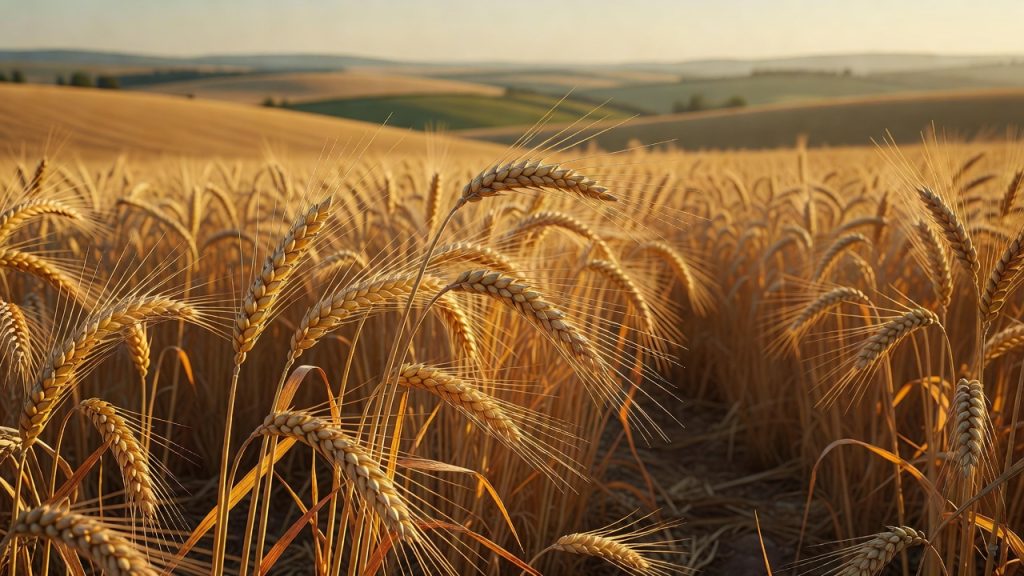
On July 25, 2025, Chile made history. The country’s Agricultural and Livestock Service (SAG) officially confirmed that new CRISPR gene-edited wheat lines — engineered to contain 5 to 10 times more dietary fiber than conventional varieties — do not qualify as genetically modified organisms (GMOs) under Chilean law. The decision makes Chile the first country in the Americas to grant this kind of regulatory clarity, and its ripple effects are already being felt far beyond South America, including in Europe, where the debate over gene editing in agriculture remains politically charged and unresolved.
Why Chile’s Decision Matters for Sustainable Agriculture
The distinction between gene editing and traditional GMO modification is more than semantic — it is regulatory, economic, and deeply political. CRISPR-based techniques edit an organism’s existing DNA without introducing foreign genetic material, a process that many scientists argue is closer to accelerated natural selection than to classical genetic modification. Chile’s SAG has now codified this distinction into law, removing the bureaucratic barriers that have historically slowed the commercialization of gene-edited crops.
For sustainable agriculture advocates, the implications are significant. The approved wheat varieties are not only nutritionally superior — high-fiber diets are linked to reduced risks of cardiovascular disease and diabetes — but are also being developed with climate resilience as a core design principle. This positions gene-edited crops as a dual-purpose tool: improving human health outcomes while adapting food systems to increasingly volatile growing conditions.
Chile’s move also sends a direct signal to investors and agri-food businesses. By removing GMO classification, the country effectively opens the door to faster field cultivation, export potential, and integration into global supply chain sustainability frameworks — without the stigma and trade restrictions that GMO labels often carry in key markets.
A Wave of Biotech Innovation Is Transforming Global Food Systems
Chile’s decision does not exist in isolation. Across the world, a new generation of plant-based innovations is emerging with the potential to fundamentally reshape how we grow, distribute, and consume food.
- Heat-tolerant rice (UK/Alora): UK-based ocean agriculture company Alora has reported yield increases of 53–43% in gene-edited heat-tolerant rice under normal temperatures — and a staggering 273–103% increase above 40°C. As heatwaves become more frequent, this kind of climate-adaptive crop could prove critical for food security across Asia, Africa, and Southern Europe.
- CO₂-capturing plants (Taiwan): Taiwanese scientists have engineered thale cress plants capable of capturing 50% more CO₂ while producing double the seeds. If this technology can be transferred to staple crops, it represents a rare convergence of climate mitigation and yield improvement — a genuine win-win for agroecology.
- Argentina’s GM pipeline: Argentina is set to approve 11 new GM crops in 2025, including insect-resistant corn and soybean varieties developed by Chinese biotech firms. This accelerating adoption across Latin America underscores a broader geopolitical shift in agricultural innovation.
What This Means for Europe — and Why the Continent Cannot Afford to Stand Still
Europe is watching these developments from a complicated position. The European Union has long maintained some of the world’s most restrictive GMO regulations, and while the European Commission proposed a new framework for New Genomic Techniques (NGTs) in 2023, the legislative process has been slow and contested. Meanwhile, competitors are moving fast.
The risk for Europe is not only one of agricultural competitiveness. It is a risk to food system resilience itself. With climate change threatening yields across the Mediterranean and beyond, and with the EU’s Farm to Fork strategy demanding a significant reduction in pesticide and fertilizer use, gene-edited crops could offer a science-based path to meeting both goals simultaneously. Blocking or indefinitely delaying their adoption on precautionary grounds may prove counterproductive — both environmentally and economically.
European policymakers, farmers, and consumers will need to engage seriously with the evidence. Chile’s regulatory model — transparent, science-led, and distinct from legacy GMO frameworks — offers one possible template worth examining.
Key Takeaway
Chile’s approval of CRISPR-edited wheat without GMO classification is more than a national policy milestone. It is a signal that the global regulatory landscape for plant-based innovation is shifting — and that countries and trading blocs that fail to adapt risk being left behind. For Europe, the moment calls for informed debate, not reflexive caution. The future of sustainable agriculture may well be written in the genome — and the question is who gets to author it.