Gene-Edited Wheat and Regenerative Agriculture: A New Era for Global Food Systems
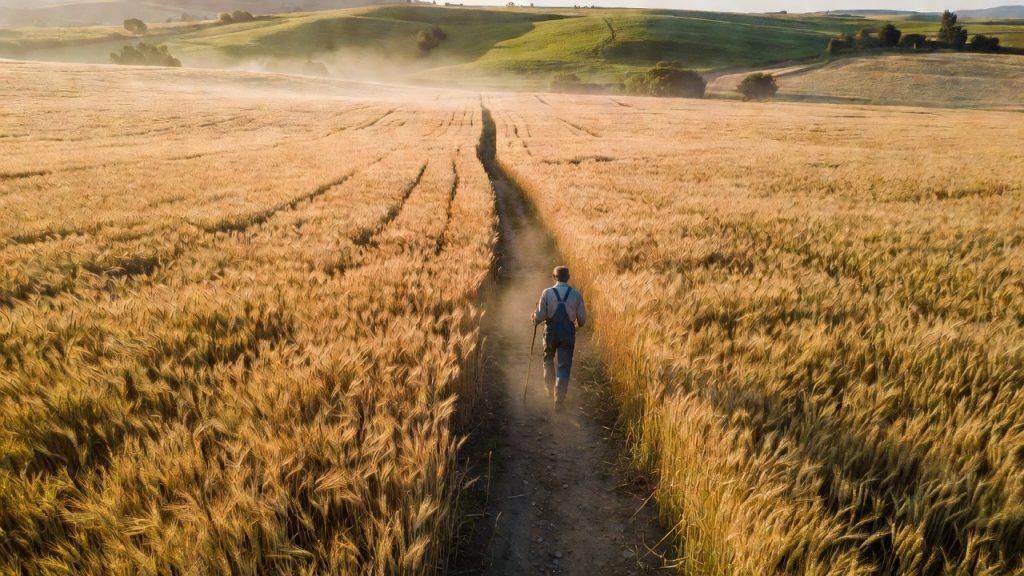
The global food system is undergoing a quiet but profound transformation. In the span of a few weeks, a South American nation rewrote the regulatory playbook for gene-edited crops, dozens of multinational food companies pledged to overhaul their supply chains, and millions of acres of farmland across North America were enrolled in regenerative agriculture programmes. Taken together, these developments signal that sustainable agriculture is moving from the margins to the mainstream — with significant implications for European food and farming policy.
Chile’s CRISPR Wheat Decision: A Regulatory Watershed
On 3 July 2026, Chile’s Agricultural and Livestock Service (SAG) confirmed that CRISPR gene-edited wheat lines developed by Neocrop Technologies do not qualify as genetically modified organisms (GMOs) under Chilean law. The ruling clears the way for commercial field cultivation of wheat varieties engineered to contain five to ten times more dietary fibre than conventional wheat — without altering taste or texture.
This makes Chile the first country in the Americas to grant such approval, and the decision carries weight well beyond its borders. Gene editing via CRISPR differs from classical GMO techniques in that it can modify an organism’s existing DNA without inserting foreign genetic material. Proponents argue this distinction justifies lighter regulatory treatment; critics warn that the long-term ecological impacts remain insufficiently studied.
The European Union is watching closely. The European Commission has been locked in a prolonged debate over New Genomic Techniques (NGTs), with a legislative proposal still navigating the European Parliament. Chile’s move — following similar regulatory relaxations in the UK, Japan, and Argentina — adds political pressure on Brussels to accelerate its own framework. For European food systems, the stakes are high: NGT crops could play a role in delivering the Farm to Fork Strategy’s ambitions, but only if public trust is carefully managed.
Regenerative Agriculture Goes Corporate — At Scale
While the CRISPR debate captures headlines, a parallel shift is reshaping supply chain sustainability across the food and beverage industry. Forty major companies — including Carlsberg, Diageo, Nestlé, and Mondelez — have signed the Regenerating Together Framework through the SAI Platform, committing to embed regenerative agriculture practices throughout their supply chains by 2027.
Regenerative agriculture encompasses a range of practices — cover cropping, reduced tillage, agroforestry, and rotational grazing — that aim to restore soil health, sequester carbon, and improve water cycles. Unlike agroecology, which carries a more systemic and often political dimension, regenerative agriculture has proven more palatable to large corporations because it can be layered onto existing supply chains without demanding wholesale structural change.
On-the-ground momentum is building. Louis Dreyfus Company and PepsiCo have jointly launched a regenerative initiative targeting 45,000 acres in Saskatchewan, Canada in 2026, supporting farmers in cutting greenhouse gas emissions and improving soil health. In the United States, the West’s largest regenerative ranching programme received a $6.9 million USDA grant to expand practices that measurably improve rangeland and water stewardship.
For European brands and retailers, these moves set a benchmark. The EU’s Corporate Sustainability Reporting Directive (CSRD) and upcoming supply chain due diligence rules will increasingly require companies to demonstrate that their agricultural sourcing is not contributing to land degradation or biodiversity loss. Voluntary frameworks like Regenerating Together may soon become a floor, not a ceiling.
What This Means for Europe’s Food and Farming Future
Europe sits at a crossroads. The Green Deal’s Farm to Fork Strategy set ambitious targets — 25% organic farmland, 50% reduction in pesticide use, 20% cut in fertilisers by 2030 — but implementation has been bumpy, and political headwinds have slowed progress. The developments described above offer both a challenge and an opportunity.
- Regulatory coherence: A clear, science-based EU framework for gene-edited crops could unlock innovation in plant-based proteins, fibre-rich cereals, and drought-resilient varieties without the public backlash that traditional GMOs attracted.
- Supply chain accountability: As global food giants align on regenerative standards, European companies that lag risk losing credibility with consumers and investors alike.
- Farmer incentives: Public-private partnerships — modelled on the USDA grant approach — could help European farmers transition to more sustainable practices without bearing the full financial risk alone.
The convergence of biotechnology and regenerative thinking is not a contradiction. It reflects a maturing understanding that no single solution — whether a CRISPR wheat variety or a cover-cropping programme — will fix food systems alone. What matters is building coherent policy environments that allow innovation to serve sustainability goals, not circumvent them.
Key takeaway: From Santiago to Saskatchewan, the architecture of sustainable agriculture is being rebuilt in real time. Europe has the regulatory sophistication and the political ambition to lead — but the window to shape global norms is narrowing.