EU Green Deal 2030: How Binding Targets Are Reshaping Cleantech and Smart City Innovation
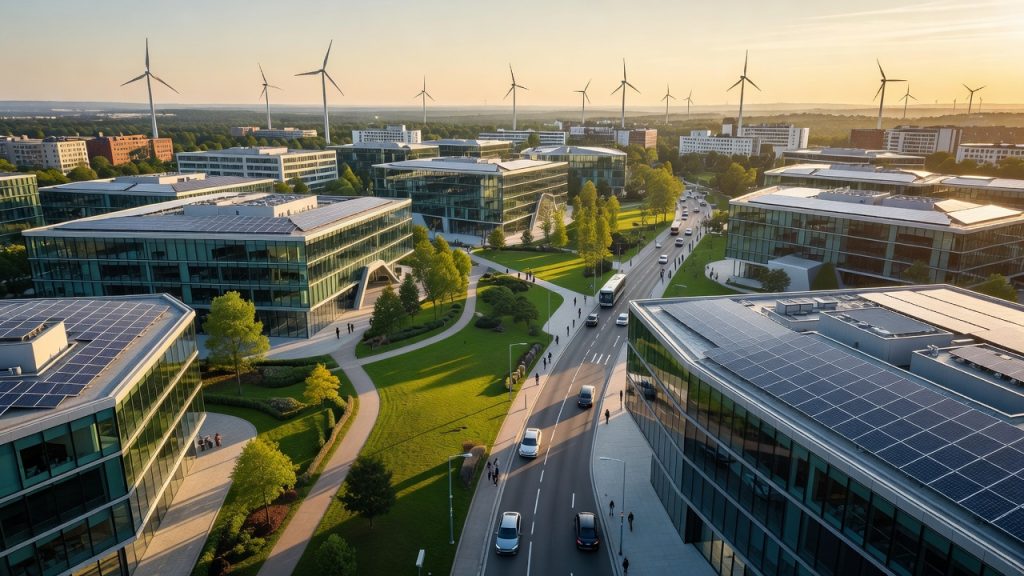
The European Commission has raised the stakes on climate action. With the unveiling of an accelerated Green Deal framework, the EU is now setting binding emissions targets for 2030, sending an unambiguous signal to industries, investors, and cities alike: the energy transition is no longer optional, and the timeline has just gotten shorter. For the cleantech sector and smart city innovators, this is both a mandate and an opportunity.
Binding Targets Change the Rules for Industry and Cleantech
The updated Green Deal framework introduces legally enforceable emissions reductions across key industrial sectors, moving beyond voluntary commitments that critics long argued were insufficient. The new regulations place immediate pressure on energy-intensive industries — from steel and cement to chemicals and transport — to accelerate decarbonisation plans or face regulatory consequences.
For the cleantech ecosystem, this shift is transformative. European cleantech firms are already responding to the momentum: a recent €10 million Series-A funding round secured by European climate innovation startups signals growing investor confidence in green solutions. Venture capital and institutional investors are increasingly viewing the Green Deal not as a compliance burden but as a structural market driver, one that de-risks long-term bets on green technology and green innovation.
The timing also follows a sobering data revelation: new research has found that a global greenhouse gas emissions database co-founded by former US Vice President Al Gore significantly underestimated emissions from power plants by up to 50%. This discrepancy is already prompting regulatory reviews and reinforcing the case for stricter, independently verified reporting standards — a development that further legitimises the EU’s push for binding, measurable targets.
Smart Cities and AI: The Urban Front Line of the Energy Transition
While industrial regulation grabs headlines, some of the most tangible progress in the energy transition is happening at the city level. Across Europe, smart cities are deploying AI-driven energy management systems that optimise electricity distribution, reduce waste, and improve citizen access to clean energy in real time.
These platforms use machine learning to balance grid demand, integrate distributed renewable sources, and manage consumption peaks — all without the need for costly new infrastructure. The result is a measurable reduction in urban carbon footprints and lower energy bills for residents. Cities including Amsterdam, Barcelona, and Vienna are among those piloting or scaling such systems, positioning themselves as testbeds for the next generation of urban sustainability.
Electric mobility is another layer of this urban transformation. As EV adoption accelerates, AI-managed charging networks are becoming essential to prevent grid overload and ensure that electric vehicles become a genuine asset to urban energy systems rather than a strain. The integration of electric mobility into smart city infrastructure is increasingly seen as a cornerstone of meeting 2030 urban emissions targets.
Implications: Who Benefits, Who Must Adapt
The accelerated Green Deal framework creates a clear set of winners and pressure points:
- Cleantech startups and scale-ups gain a more predictable regulatory environment, making it easier to attract investment and plan long-term product development.
- Industrial incumbents face tighter compliance windows, requiring faster capital reallocation toward low-carbon technologies and processes.
- City governments receive both a mandate and a toolkit — binding national targets cascade down to municipalities, but smart city technologies offer practical, scalable tools to meet them.
- Investors operating in ESG-aligned portfolios will find the binding target framework reduces policy uncertainty, one of the primary risks cited in green innovation investment decisions.
From a global perspective, the EU’s move reinforces its role as the world’s leading regulatory force on climate. Trading partners and multinational corporations with European operations will need to align their own strategies accordingly, effectively exporting the Green Deal’s standards beyond EU borders.
Key Takeaway
The EU’s updated Green Deal is more than a policy document — it is a structural reshaping of the European economy. By anchoring 2030 emissions targets in binding law, the Commission has created the regulatory certainty that green technology investors and innovators have long called for. Combined with the rise of AI-powered smart city solutions and a surge in cleantech funding, the conditions for accelerated progress on the energy transition are now firmly in place. The question for businesses, cities, and citizens is no longer whether to act — but how fast.