EU Locks In 90% Emissions Cut by 2040: What It Means for Europe and the World
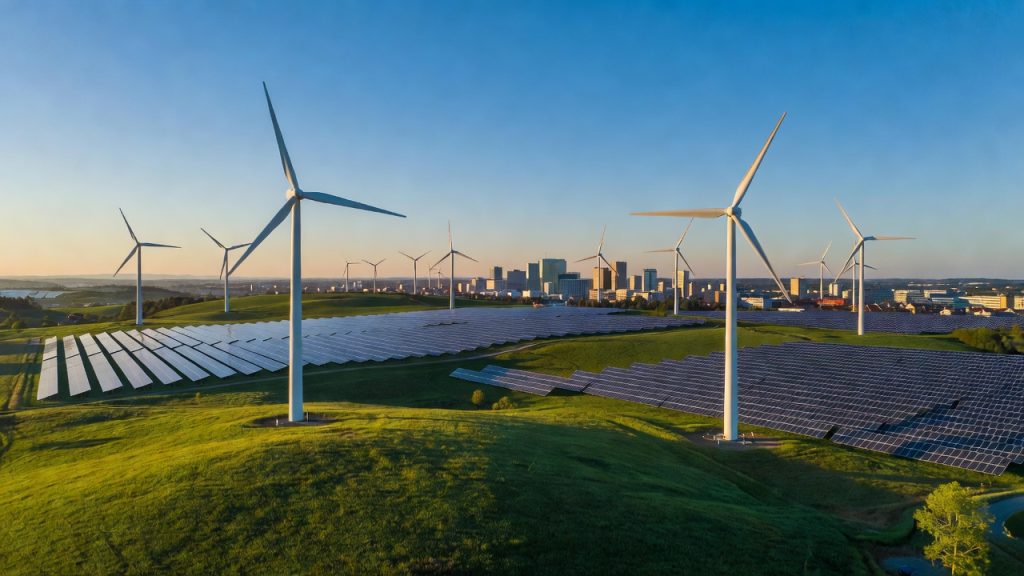
The European Union has taken one of the most consequential steps in its climate history. On Thursday, EU member states gave final approval to a binding target of 90% reduction in greenhouse gas emissions by 2040, compared to 1990 levels. The decision, pushed through despite significant political resistance from several member states, cements Europe’s role as the world’s most ambitious actor in environmental policy — and sets the stage for sweeping changes across every sector of the economy.
A Landmark Decision Amid Political Headwinds
The road to this approval was far from smooth. Several EU governments, particularly those with large industrial bases and fossil fuel dependencies, pushed back against the target’s pace and scope. Critics warned of economic competitiveness risks and the burden placed on energy-intensive industries. Yet the European Commission held firm, arguing that the costs of inaction on climate change far outweigh the costs of transition.
The 2040 target serves as the critical midpoint between the EU’s existing 55% net emissions reduction goal by 2030 (under the Fit for 55 package) and the continent’s overarching commitment to climate neutrality by 2050. Reaching 90% will require accelerated deployment of renewable energy, deep electrification of transport and heating, and significant investment in carbon capture technologies. For businesses and citizens alike, this translates into stricter regulations, new incentive frameworks, and a fundamental reshaping of how energy is produced and consumed across Europe.
A Global Climate Week: From COP31 to China’s Carbon Pledge
The EU’s announcement did not happen in isolation. This week brought a cluster of significant global climate developments that together paint a complex but cautiously optimistic picture for international environmental policy.
- COP31 co-hosting agreement: Turkey and Australia finalized a split-hosting arrangement for the 2026 UN Climate Conference. Turkey will host the summit, while Australia leads the negotiation process — an unusual but pragmatic model that signals continued global solidarity on climate action, even as geopolitical tensions strain multilateral cooperation.
- China accelerates decarbonization: Beijing announced it will target a 17% reduction in carbon intensity by 2025 under its current five-year plan — a meaningful step for the world’s largest emitter of greenhouse gases. While critics note that carbon intensity targets allow absolute emissions to keep rising if the economy grows, the acceleration reflects mounting domestic pressure on air quality and pollution control.
- Exxon halts major hydrogen project: In a sobering signal for the clean energy sector, Exxon Mobil announced it has shelved plans for one of the world’s largest green hydrogen production facilities, citing insufficient market demand. The move underscores a persistent tension in the renewable energy transition: the gap between long-term policy ambition and short-term business viability.
Biodiversity Under Pressure: A Warning from the U.S.
While Europe advances its climate agenda, a troubling countertrend is emerging across the Atlantic. The Trump administration has taken its first formal step toward loosening protections for the North Atlantic right whale, one of the most endangered marine mammals on Earth, by relaxing vessel speed restrictions designed to prevent fatal ship strikes. With fewer than 370 individuals estimated to remain, conservationists warn that any regulatory rollback could push the species closer to extinction.
The move is emblematic of a broader pattern: as some governments accelerate environmental policy, others are retreating. For European policymakers and conservation advocates, it serves as a stark reminder that biodiversity and climate are inseparable crises — and that progress on one front can be rapidly undone by inaction on the other.
What This Means for Europe’s Green Future
The EU’s 90% emissions target will have tangible consequences across the continent:
- Industries from steel to cement will face tighter carbon pricing under the EU Emissions Trading System (ETS)
- Households can expect expanded incentives for heat pumps, electric vehicles, and home insulation
- Renewable energy investment — already at record levels — will need to scale further and faster
- Farmers and land managers will play an increasingly central role in natural carbon sequestration strategies
The Exxon hydrogen setback is a useful reality check: ambition must be matched by market conditions, infrastructure investment, and genuine demand signals. Policy alone cannot drive the transition — it must be paired with credible economic frameworks that make clean alternatives the rational choice for businesses.
Key takeaway: The EU’s approval of a 90% greenhouse gas reduction target by 2040 is a historic milestone in global climate policy — but it is also the beginning of the hard work. From renewable energy scaling to biodiversity conservation, the decisions made in the next five years will determine whether Europe’s green ambitions translate into real-world impact, or remain aspirational targets on paper.