EU Locks In 90% Emissions Cut by 2040: What the Updated Climate Law Means for Europe and the World
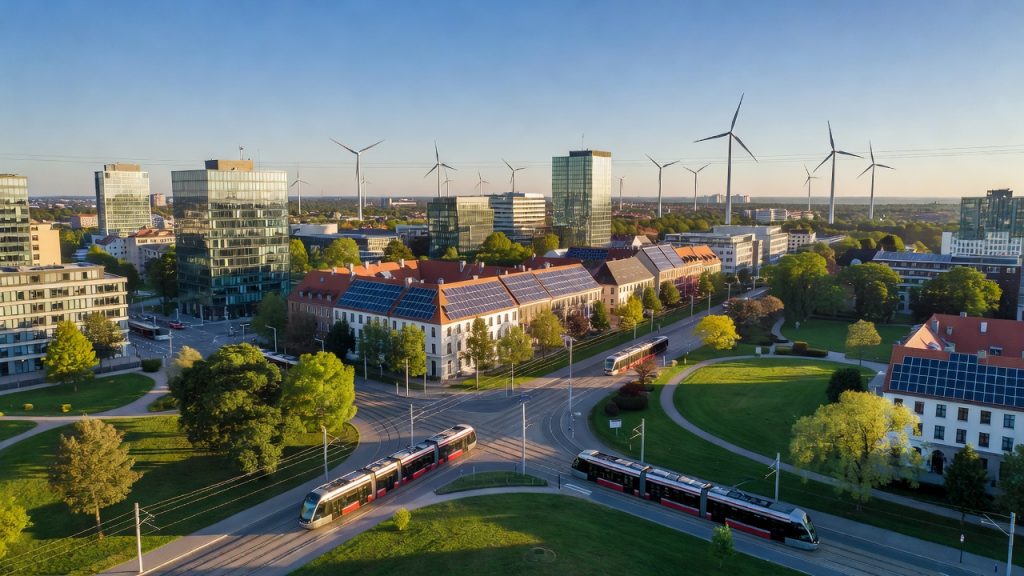
The European Union has taken one of its most consequential climate steps yet. By formally amending the EU Climate Law to enshrine a legally binding target of 90% net greenhouse gas emissions reduction by 2040 — compared to 1990 levels — the bloc has drawn a clear, enforceable line between today’s economy and the climate-neutral future it has committed to reaching by 2050. Confirmed by the European Parliament in late 2025 and fully operationalized in 2026, the decision marks a turning point not just for European climate policy, but for global sustainability standards and carbon markets alike.
A Legally Binding Milestone — and What Makes It Different
Previous EU climate commitments, while ambitious, often lacked the legal teeth to compel action across all member states and sectors. The updated EU Climate Law changes that. The 90% target is now a hard legal obligation, not a political aspiration. Governments, industries, and investors must plan around it.
One notable flexibility mechanism allows up to 5% of the required reductions to be met through international carbon credits, acknowledging the practical limits of domestic action while keeping the door open for global climate cooperation. But the core message is unambiguous: the EU’s path to 2050 climate neutrality is no longer a roadmap — it is the law.
This move directly accelerates adjustments in corporate sustainability reporting obligations. Companies operating in Europe are already navigating the Corporate Sustainability Reporting Directive (CSRD); the 2040 target adds urgency to long-term decarbonization planning, particularly for carbon-intensive sectors like steel, cement, and chemicals.
Carbon Markets, Mobility, and the Green Transition in Practice
The policy shift arrives alongside a cluster of transformative regulatory changes reshaping the European economy from the ground up:
- Carbon markets are expanding. Road transport will be formally integrated into the EU Emissions Trading System (ETS) starting in 2027, placing a direct carbon price on fuel providers. This is expected to accelerate the shift toward electric mobility and cleaner fuels, while also influencing carbon market valuations globally as investors price in tighter supply constraints.
- Zero-emission vehicles become the norm. All new cars and vans registered in Europe must be zero-emission by 2035, with interim benchmarks of 55% emission reductions for cars and 50% for vans by 2030. This is fundamentally reshaping automotive supply chains, battery sourcing strategies, and consumer expectations across the continent.
- Renewables surge forward. The EU’s binding renewable energy target for 2030 has been raised to a minimum of 42.5% of total energy consumption — with an indicative ambition to reach 45% — driving a wave of infrastructure investment in wind, solar, and grid modernization both within Europe and in supplier nations worldwide.
Together, these measures form the operational backbone of the EU Green Deal, translating high-level ambition into sector-specific, time-bound mandates.
Social Equity at the Heart of the Transition
A green transition that leaves vulnerable communities behind is not just morally problematic — it is politically unsustainable. The EU has addressed this directly through the Social Climate Fund, which has now fully deployed its allocation of up to €86 billion to support low-income households and small businesses facing higher energy and transport costs. Member states are now legally required to spend 100% of ETS auction revenues on climate and social projects, ensuring that the revenues generated by carbon pricing flow back into the communities most affected by the transition.
This framework sets a precedent for how environmental regulation can be designed with distributional justice built in — a model that policymakers in other regions are watching closely.
Implications for Businesses and Decision-Makers
For corporate leaders and sustainability professionals, the message is clear: the regulatory environment in Europe is tightening on a fixed schedule, and the 2040 target removes any remaining ambiguity about the direction of travel. Key implications include:
- Long-term capital allocation must align with net-zero pathways, as stranded asset risk grows for fossil fuel-dependent infrastructure.
- Supply chain due diligence and sustainability reporting requirements will intensify, particularly for companies with cross-border operations.
- Carbon credit markets — both EU-internal and international — will see increased demand and price volatility as the 2040 deadline approaches.
Key takeaway: The EU’s legally binding 2040 climate target is not just a policy headline — it is a structural signal to every sector of the economy. From carbon markets to car manufacturing, from energy grids to social welfare, the rules of the game have changed. For Europe and for the world, the question is no longer whether the transition will happen, but how fast, and who is ready.