EU and China Lock In 90% Emissions Cuts by 2040: What It Means for Business and Citizens
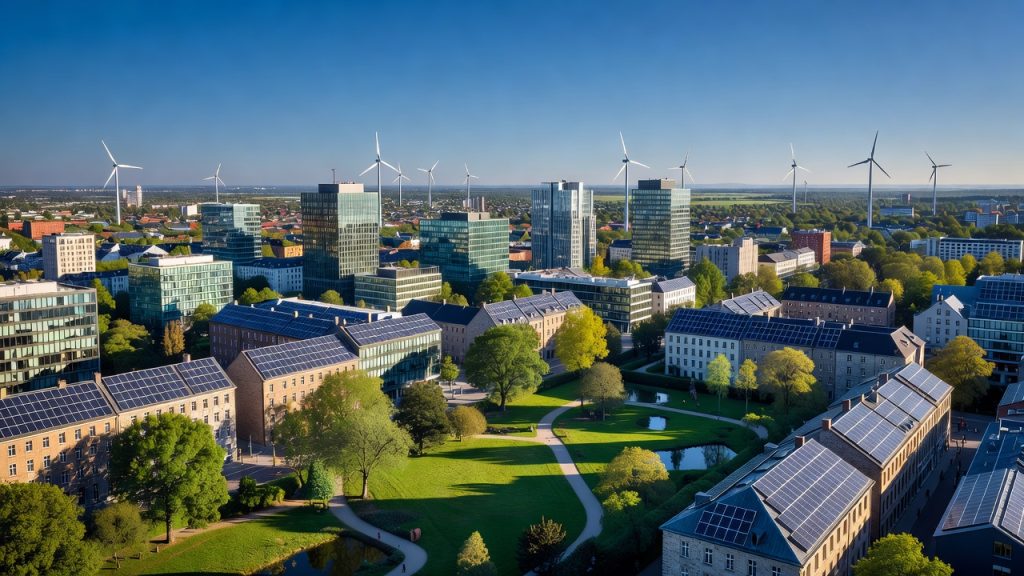
The global decarbonization agenda just moved from ambition to obligation. The European Union and China have both given final approval to sweeping climate targets aimed at cutting greenhouse gas emissions by 90% by 2040 — a milestone that reshapes the landscape for corporate responsibility, sustainable finance, and everyday life across two of the world’s largest economies. Combined with a wave of new standards and regulatory pressure on the tech sector, the message from policymakers is clear: the transition is no longer optional.
A Twin Climate Commitment With Global Consequences
The EU’s move to finalize its 2040 climate target — despite notable political resistance from some member states — signals that the bloc remains committed to its Green Deal trajectory. The target aligns with the EU’s long-term goal of climate neutrality by 2050 and sends a powerful signal to markets: the regulatory direction of travel is set, and businesses that delay adaptation do so at their own risk.
Meanwhile, China has accelerated its carbon intensity reduction plan by 17% under its current five-year strategy, a significant shift for the world’s largest emitter. While China’s approach focuses on carbon intensity rather than absolute emissions, the acceleration reflects growing domestic pressure to manage climate-related economic risks and maintain competitiveness in clean technology exports — areas where Chinese firms are already global leaders.
Together, these commitments cover economies responsible for roughly 40% of global greenhouse gas emissions. For sustainability professionals and ESG analysts, this dual alignment creates a more predictable policy environment — and raises the floor for what counts as credible corporate climate action.
Cleaning Up the ESG Ecosystem: Standards, Labels, and Accountability
Alongside the headline targets, a series of structural reforms are reshaping how sustainability is measured and communicated in financial markets and corporate reporting.
The EU has finalized simplified rules under the Sustainable Finance Disclosure Regulation (SFDR), aiming to reduce greenwashing risk and bring clarity to sustainable fund labels. For retail investors and institutional allocators alike, this is a meaningful step: cleaner labels mean more trustworthy ESG products and a stronger foundation for sustainable finance to scale.
At the global level, the International Organization for Standardization (ISO) has launched a new international net-zero standard for public consultation, designed to enable companies to set verified emissions reduction targets by 2027. This matters enormously. One of the persistent weaknesses in the green business landscape has been the lack of a universally accepted framework for net-zero claims — a gap that has allowed both genuine leaders and opportunistic greenwashers to coexist under the same label. A credible ISO standard could finally change that dynamic.
UN Secretary-General António Guterres added another dimension to the accountability conversation, urging major AI companies to disclose their environmental impacts and commit to energy independence goals by 2030. As data centres consume growing shares of national electricity grids, linking tech sector growth to net-zero targets is no longer a fringe demand — it is becoming a baseline expectation for responsible corporate governance.
What Business Leaders Are Thinking — and Fearing
A global survey has found that 80% of business leaders fear a disorderly climate transition, with most preferring gradual, predictable policy changes over sudden regulatory shifts or prolonged delays. This finding cuts to the heart of the current ESG challenge: companies are not necessarily opposed to decarbonization, but they are deeply concerned about policy uncertainty and the rising costs of climate inaction.
The circular economy offers one practical pathway through this uncertainty. By redesigning supply chains to eliminate waste, extend product lifecycles, and reduce dependence on virgin materials, businesses can lower both their emissions footprint and their exposure to volatile commodity markets. The EU’s regulatory push — from SFDR reform to the Corporate Sustainability Reporting Directive — is increasingly making circular economy metrics part of standard ESG disclosure.
Implications for Citizens, Investors, and Policymakers
- Citizens will see these targets translate into faster rollout of clean energy, stricter product standards, and evolving consumption norms — particularly around mobility, home energy, and food systems.
- Investors benefit from clearer ESG labels under revised SFDR rules and a more robust framework for evaluating net-zero claims once the ISO standard is adopted.
- Businesses face tightening timelines: the combination of the EU’s 2040 target, ISO net-zero verification, and AI sector scrutiny means that vague sustainability commitments will face increasing legal and reputational exposure.
- Policymakers must now focus on transition justice — ensuring that the speed of decarbonization does not leave vulnerable communities or industries behind.
Key takeaway: The finalization of EU and China climate targets, combined with cleaner ESG standards and rising accountability for the tech sector, marks a structural shift in global sustainability governance. For businesses, the era of voluntary, unverified green commitments is closing. For citizens and investors, a more transparent and ambitious sustainability framework is finally taking shape — and the window to align with it is narrowing.