CRISPR Wheat Without GMO Label: How Chile’s Landmark Decision Could Reshape Global Food Systems
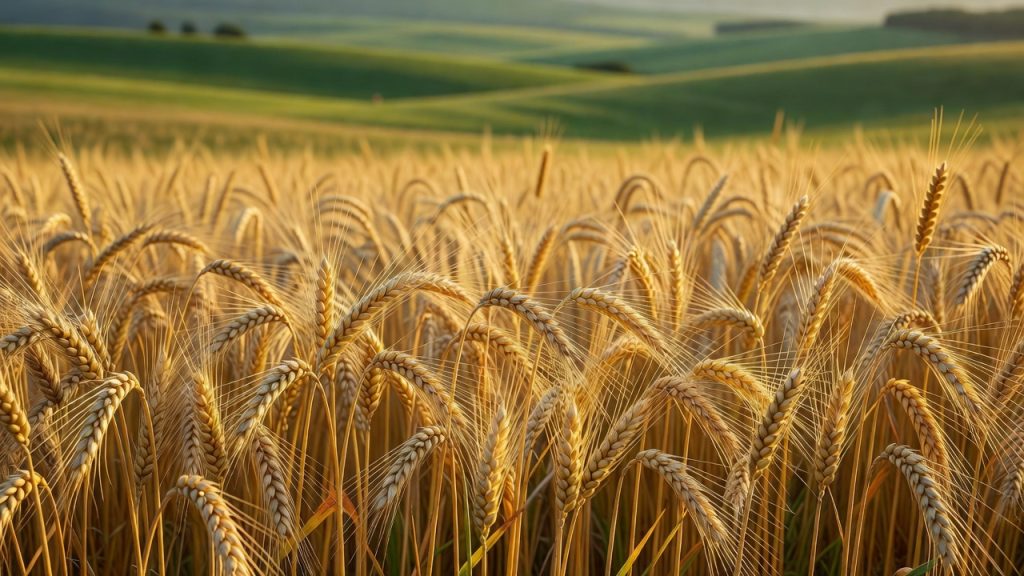
A quiet regulatory decision in South America may be about to send shockwaves through global food systems. Chile’s Agricultural and Livestock Service (SAG) has officially confirmed that CRISPR gene-edited wheat developed by Neocrop Technologies does not qualify as a genetically modified organism (GMO) under Chilean law — making Chile the first country in the Americas to approve gene-edited wheat for field cultivation. The wheat in question delivers 5 to 10 times more dietary fiber than conventional varieties, without compromising taste or texture. For anyone tracking sustainable agriculture, plant-based food innovation, or supply chain sustainability, this is a development worth watching closely.
What Makes This CRISPR Wheat Different — and Why the Classification Matters
CRISPR-Cas9 gene editing works by making precise modifications to an organism’s existing DNA, without inserting foreign genetic material. This technical distinction is at the heart of the regulatory debate: is a crop that has been edited — rather than transgenic — truly a GMO? Chile has now answered with a clear “no,” and the implications extend far beyond its borders.
Neocrop’s high-fiber wheat represents a significant leap for plant-based food innovation. Dietary fiber is associated with reduced risks of cardiovascular disease, type 2 diabetes, and colorectal cancer — yet most modern wheat varieties have been selectively bred for yield and texture at the expense of nutritional density. By restoring and amplifying fiber content through targeted gene editing, this wheat could improve public health outcomes while remaining fully compatible with existing milling and baking supply chains.
From a supply chain sustainability perspective, this is equally significant. A nutritionally enhanced staple crop that requires no new infrastructure, no consumer behavior change, and no reformulation effort is an unusually low-friction intervention in the food system. That combination of impact and adoptability is rare.
A Wave of Agroecological Innovation Across the Americas
Chile’s decision does not stand alone. Across the Americas, a broader shift in agricultural biotechnology is accelerating — one with direct relevance to global food security and agroecology.
- Argentina is set to approve 11 new GM crops in 2025, including insect-resistant corn and soybean varieties developed by Chinese-owned companies, according to UKAgroConsult. This signals growing international integration in crop innovation, with implications for European import standards and trade policy.
- Bioceres, the Argentine agri-biotech firm, has signed a commercialization deal with the Colorado Wheat Research Foundation to bring its HB4 drought-tolerant wheat to market — a development reported by The Western Producer. In water-stressed growing regions, HB4 could prove transformative for supply chain resilience.
- Meanwhile, Taiwanese scientists have engineered thale cress — a model plant widely used in research — to capture 50% more CO₂ and produce more than twice as many seeds, according to Focus Taiwan. While still at the research stage, this points toward a future where staple crops are engineered not just for yield or nutrition, but for active climate mitigation.
What This Means for Europe — and Why Brussels Should Pay Attention
Europe is at a crossroads on this issue. The European Court of Justice ruled in 2018 that gene-edited crops fall under the EU’s strict GMO regulations — a position that has effectively frozen CRISPR crop development on European soil. The European Commission has since proposed a New Genomic Techniques (NGT) regulation that would create a lighter-touch framework for certain gene-edited plants, but progress has been slow and politically contested.
Chile’s precedent — and the broader wave of approvals across the Americas — increases the pressure on European policymakers to find a workable position. If high-fiber, drought-tolerant, or carbon-capturing crops can be cultivated and commercialized freely elsewhere, European farmers and food producers risk being left behind in the transition to more resilient, sustainable food systems. At the same time, consumer trust and the integrity of organic and agroecological farming models must be carefully protected in any regulatory update.
The EU’s Farm to Fork strategy explicitly targets a more sustainable, nutritious, and resilient food system. Gene editing, applied responsibly and transparently, could be one of the tools that helps deliver it — but only if the regulatory framework catches up with the science.
Key Takeaway
Chile’s approval of CRISPR wheat as non-GMO is more than a national regulatory footnote. It is an early signal of a global policy shift that will reshape how we grow, process, and consume staple foods. For Europe, the moment calls for an honest, evidence-based conversation — one that weighs the genuine promise of precision gene editing for sustainable agriculture against legitimate concerns about biodiversity, farmer autonomy, and food sovereignty. The science is moving fast. Policy needs to keep pace.