EU Locks In 90% Emissions Cut by 2040: What Europe’s New Climate Target Means for the World
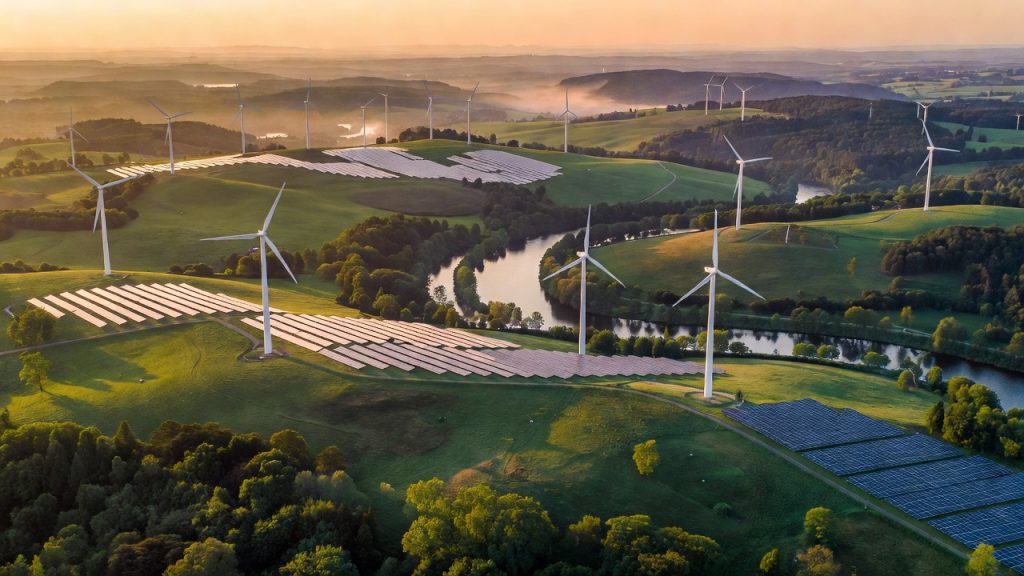
The European Union has taken one of its boldest steps yet in the fight against climate change. On Thursday, EU member states gave final approval to a landmark climate target: a 90% reduction in greenhouse gas emissions by 2040, compared to 1990 levels. The decision, reported by Reuters, cements the EU’s position as the world’s most ambitious climate policy actor — and sends a clear signal to businesses, investors, and governments across the globe.
A Target That Survived the Political Storm
The road to this approval was anything but smooth. The 2040 climate target faced significant political resistance from member states with heavy industrial bases and from lobby groups tied to fossil fuel interests. Yet the final vote confirms that Europe’s long-term commitment to environmental policy remains intact, even as short-term economic pressures mount.
The 90% target serves as the critical bridge between the EU’s current 2030 goal — a 55% net emissions reduction under the European Green Deal — and the ultimate objective of climate neutrality by 2050. For businesses operating across the bloc, this is not a distant ambition. It translates into concrete requirements around renewable energy sourcing, industrial decarbonisation, and supply chain transparency. Sectors from steel and cement to agriculture and transport will need to fundamentally rethink their operations over the next fifteen years.
A Fractured Global Landscape for Climate Action
Europe’s resolve stands in sharp contrast to developments elsewhere. In the United States, the Department of Energy has announced a major restructuring under President Trump’s administration, with a renewed emphasis on fossil fuels and nuclear energy under the banner of “energy dominance.” This pivot risks disrupting global renewable energy markets and undermining the momentum built during the Biden years.
Meanwhile, Exxon Mobil has halted plans for what would have been one of the world’s largest hydrogen production facilities, citing insufficient customer demand. The move is a sobering reminder that the renewable energy transition faces real commercial hurdles, even for corporations with the capital to lead it. Hydrogen, long heralded as a clean fuel of the future, still struggles to find scalable markets — a challenge that European industrial policy will need to address head-on if the 2040 target is to be met.
On the international diplomacy front, there is cautious optimism. Turkey and Australia have finalised a split-hosting agreement for the COP31 climate summit in 2026, with Turkey hosting the event and Australia leading negotiations. The arrangement reflects a pragmatic effort to maintain global solidarity on climate initiatives, even as geopolitical fault lines deepen.
Nature’s Own Feedback: Permafrost and CO2 Absorption
Beyond policy, science is adding new layers of complexity to our understanding of the climate system. A study published in the journal Nature reveals that thawing permafrost — a direct consequence of rising global temperatures — triggers increased rock weathering, a natural geological process that absorbs CO2 from the atmosphere. While this might sound like good news, researchers caution that it represents a feedback mechanism within a broader system that is still net-negative: thawing permafrost also releases vast quantities of methane and CO2 stored for millennia. The finding underscores the importance of preserving ecosystems and biodiversity, as natural processes interact with human-caused pollution in ways we are only beginning to map.
Implications for Europe and Beyond
The EU’s 2040 climate target carries weight far beyond Brussels. As the world’s largest single market, European environmental policy shapes global supply chains, investment flows, and regulatory standards. Key implications include:
- Business transformation: Companies operating in or trading with the EU will face tightening carbon constraints, accelerating demand for clean technology and sustainable practices.
- Energy investment: The target reinforces the case for scaling renewable energy infrastructure — wind, solar, and green hydrogen — across the continent.
- Global standard-setting: The EU’s ambition creates pressure on other major economies to raise their own climate commitments ahead of COP31.
- Conservation and biodiversity: Achieving deep emissions cuts will require protecting and restoring natural carbon sinks, linking climate action directly to biodiversity and conservation goals.
Key takeaway: The EU’s approval of a 90% emissions reduction target by 2040 is a defining moment for European and global climate policy. It raises the bar for ambition, demands real transformation from industry and energy systems, and arrives at a time when the rest of the world is pulling in conflicting directions. For Europe, the challenge now is not vision — it is delivery.