EU Sets 90% Emissions Cut Target for 2040: What It Means for Carbon Markets, Industry, and Citizens
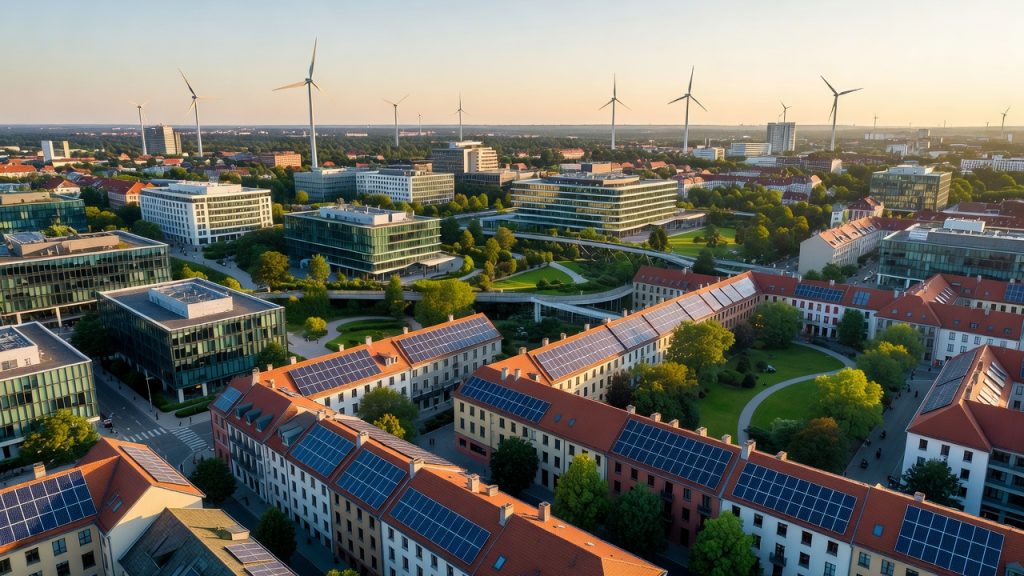
The European Commission has taken one of its most ambitious steps yet in the fight against climate change: a formal proposal to cut the EU’s net greenhouse gas emissions by 90% compared to 1990 levels by 2040. Sitting between the existing 55% target for 2030 and the legally binding goal of climate neutrality by 2050, this intermediate milestone is not just a number — it is a policy signal that will reshape entire sectors of the European economy over the next decade and a half.
Why 2040 Matters: Bridging the Gap to Net Zero
Climate targets without intermediate milestones risk becoming abstract promises. The 2040 goal is designed precisely to prevent that. By anchoring a legally significant checkpoint between now and 2050, the Commission ensures that the trajectory toward climate neutrality under the EU Climate Law remains credible and enforceable.
The 90% figure is grounded in scientific advice from the European Scientific Advisory Board on Climate Change, which assessed what is needed to keep the EU aligned with the Paris Agreement‘s 1.5°C pathway. It also reflects the reality that the final 10% of emissions — from hard-to-abate sectors like heavy industry, aviation, and agriculture — will likely require carbon removal technologies rather than straightforward cuts.
Crucially, the proposal is expected to trigger revisions across a wide range of EU legislation, from the EU Emissions Trading System (EU ETS) to energy efficiency directives, land-use regulations, and transport policy. For businesses and investors, this means a more demanding but also more predictable regulatory environment.
Expanding Carbon Markets: Buildings and Transport Enter the Picture
One of the most consequential near-term changes is already locked in: from 2027, emissions from building heating and road transport fuels will fall under a new, separate emissions trading scheme — ETS II. This expands carbon pricing into two sectors that together account for a substantial share of EU emissions but have historically been difficult to regulate.
The revenues generated will flow partly into the Social Climate Fund, a mechanism designed to cushion the impact on lower-income households and small businesses facing higher energy and fuel costs. This reflects a growing recognition in EU climate policy that the green transition must be socially just, not just environmentally effective.
For real estate owners, mobility providers, and fuel distributors, the message is clear: the cost of carbon pollution is rising, and the window to adapt is narrowing. Companies that move early on energy efficiency upgrades, clean fuels, and electrification will be better positioned to absorb these costs than those that wait.
Fit for 55 and the Compliance Landscape for Business
The 2040 target builds on the Fit for 55 package, a comprehensive set of laws already adopted to deliver at least a 55% net emissions reduction by 2030. Key measures include:
- A tightened EU ETS with a faster cap reduction trajectory
- Mandatory renewable energy targets of 42.5% to 45% of final energy consumption by 2030
- Stricter energy efficiency requirements for buildings and industry
- The Carbon Border Adjustment Mechanism (CBAM), which puts a carbon price on imports of steel, cement, aluminium, and other goods from countries with weaker climate rules
Layered on top of this is the Corporate Sustainability Reporting Directive (CSRD), which requires thousands of European companies to disclose detailed climate and sustainability data. Together, these frameworks are creating an integrated compliance landscape where sustainability reporting, carbon pricing, and sectoral regulation reinforce one another — raising both the stakes and the strategic importance of climate planning at board level.
Implications: Pressure, Opportunity, and the Road Ahead
For citizens, the 2040 target means cleaner air, lower energy dependence, and — if the Social Climate Fund works as intended — a fairer share of transition costs. For decision-makers, it means that climate policy is no longer a long-term abstraction but an immediate operational reality. And for Europe’s trading partners, it signals that the EU’s environmental regulation will continue to set global standards, with CBAM acting as a powerful lever for exporting climate ambition beyond EU borders.
The path will not be without friction. Energy-intensive industries face significant transition costs. Member states with coal-dependent economies will need tailored support. And the political consensus required to turn the Commission’s proposal into binding law must still be built in the European Parliament and Council.
Key takeaway: The EU’s proposed 90% net emissions reduction target for 2040 is a defining moment for European climate policy. It tightens the link between the EU Green Deal‘s long-term vision and the near-term regulatory tools already reshaping carbon markets, energy systems, and corporate reporting. For anyone operating in or with Europe, understanding this trajectory is no longer optional — it is essential.