EU Locks In 90% Emissions Cut by 2040: What It Means for Europe’s Climate Future
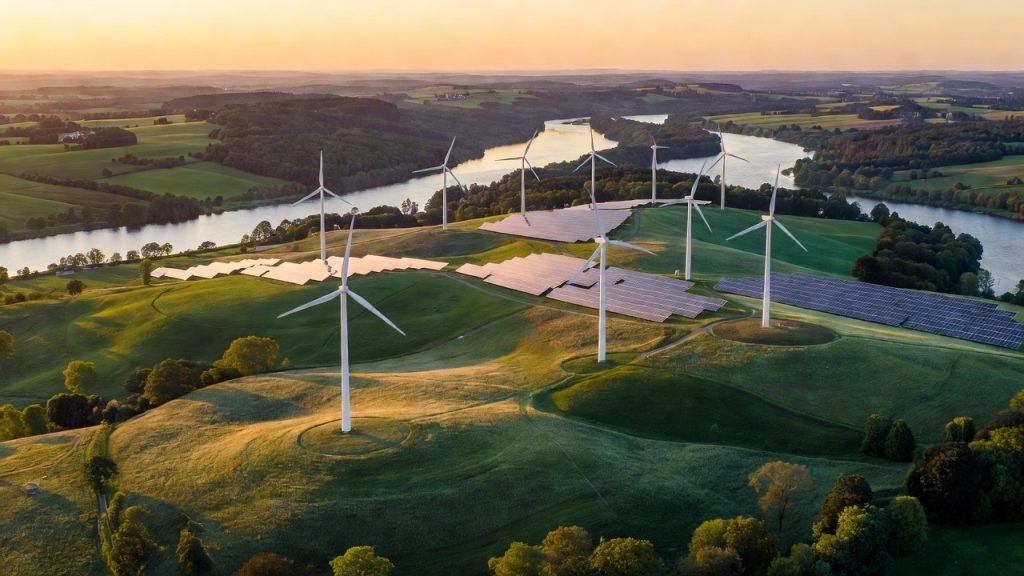
The European Union has taken a decisive step in its fight against climate change, formally approving a target to cut greenhouse-gas emissions by 90% by 2040 compared to 1990 levels. The move, confirmed by EU member states despite significant political resistance, cements Europe’s position as the world’s most ambitious large economy on decarbonization — and sends a clear signal to industries, investors, and citizens that the continent’s environmental policy direction is not reversing course.
A Landmark Target in a Turbulent Political Climate
The approval of the 2040 target is not just a number — it is a legal and political anchor for a generation of environmental policy. It bridges the EU’s existing 55% net emissions reduction goal for 2030 (under the European Climate Law) and the long-term objective of climate neutrality by 2050. For businesses operating across Europe, this means clearer — if demanding — planning horizons for compliance, capital allocation, and supply-chain transformation.
Yet the decision did not come without friction. A growing coalition of member states and industry groups has pushed back against what they describe as regulatory overreach, arguing that aggressive decarbonization timelines risk undermining economic competitiveness. In a notable concession to this pressure, the EU simultaneously approved a rollback of corporate supply-chain due-diligence rules, easing requirements on businesses to audit environmental and human-rights risks across their global value chains. Critics warn this weakens accountability precisely when stricter oversight is most needed — a tension that will define European environmental policy debates for years to come.
The Global Picture: COP Diplomacy and the Fossil-Fuel Impasse
Europe’s domestic ambition plays out against a complicated global backdrop. At COP30 in Belém, Brazil, negotiations remain deadlocked over the future of fossil fuels. A draft agreement has already omitted an earlier proposal for a global exit strategy from coal, oil, and gas — reflecting deep divisions among the nearly 200 participating nations. The absence of a clear phaseout commitment is a significant gap in the global climate architecture, and one that Europe’s unilateral targets cannot fill alone.
Meanwhile, diplomatic maneuvering continues around COP31, where Turkey and Australia have finalized a split-hosting arrangement — Turkey taking the lead on hosting while Australia drives the negotiation process. This unusual arrangement underscores how climate diplomacy increasingly involves complex geopolitical trade-offs, even as the window for meaningful emissions reductions narrows.
On a more positive note, China announced it will cut carbon intensity by 17% during its current five-year plan. While the target focuses on emissions per unit of GDP rather than an absolute cap — meaning total emissions could still rise if the economy grows — it represents an important policy signal from the world’s largest emitter and offers some basis for cautious optimism in global climate negotiations.
Clean Technology at a Crossroads: The Hydrogen Warning Sign
One of the most telling developments of the week came not from a government, but from a corporation. Exxon Mobil halted plans for what would have been one of the world’s largest hydrogen production facilities, citing weak customer demand. The decision is a sobering reminder that the commercial rollout of clean-energy technologies — even those backed by substantial public investment and renewable energy policy support — is moving more slowly than many projections assumed.
Hydrogen has been positioned as a cornerstone of industrial decarbonization, particularly for hard-to-abate sectors like steel, chemicals, and heavy transport. Exxon’s withdrawal does not invalidate hydrogen’s long-term potential, but it does highlight a persistent gap between policy ambition and market reality. For European policymakers betting heavily on hydrogen as part of the continent’s pollution reduction and energy transition strategy, this is a signal worth heeding.
What This Means for Citizens, Businesses, and Policymakers
Taken together, this week’s developments paint a picture of a world caught between accelerating climate commitments and the friction of implementation. For European citizens, the 2040 target means more ambitious policies on everything from building renovation to transport electrification are coming. For businesses, it demands long-term investment in clean technologies and supply-chain resilience — even as some regulatory pressure is temporarily eased. For policymakers, the challenge is maintaining credibility on biodiversity, conservation, and pollution goals while managing the political and economic costs of transition.
- The EU’s 90% target by 2040 is now legally anchored and will shape regulation and investment for decades.
- Supply-chain due-diligence rollbacks risk undermining corporate accountability on environmental and human-rights standards.
- COP30 fossil-fuel deadlock and Exxon’s hydrogen retreat reveal how far global action still lags behind stated ambitions.
- China’s carbon intensity pledge offers a partial but meaningful contribution to the global emissions picture.
Key takeaway: Europe is doubling down on its climate leadership role, but the path from target to transformation remains contested, commercially uncertain, and geopolitically complex. The decisions made in Brussels, Belém, and Beijing this week will reverberate through environmental policy, renewable energy markets, and conservation efforts for a generation.