EU Locks In 90% Emissions Cut by 2040: What It Means for Europe’s Climate Future
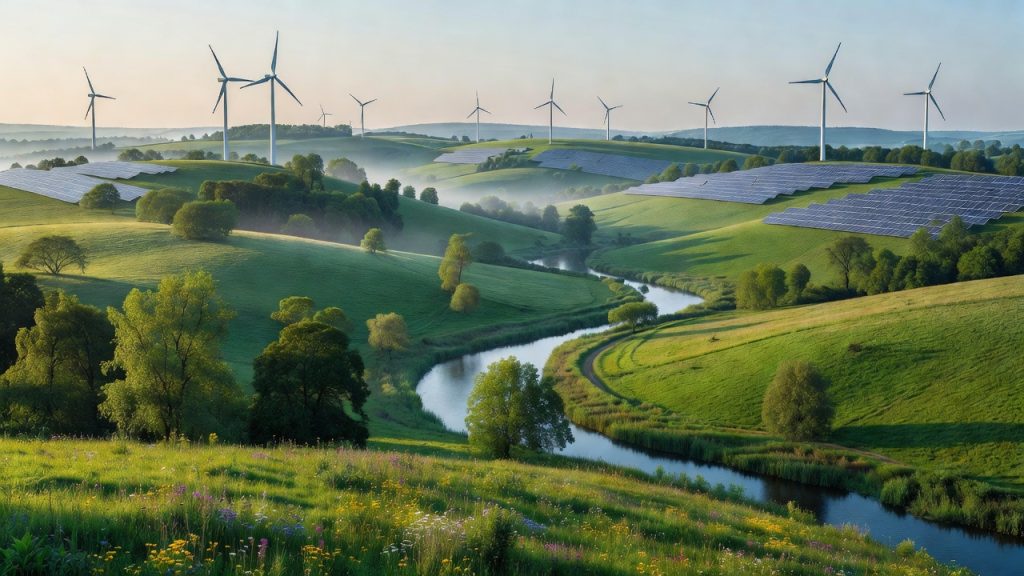
The European Union has taken one of its most consequential steps yet in the fight against climate change. EU member states have formally approved a binding target to cut greenhouse gas emissions by 90% by 2040 compared to 1990 levels — a decision that sets the trajectory for European environmental policy, investment planning, and regulatory frameworks for the next two decades. The move cements Europe’s position as a global leader on climate action, even as political and economic tensions continue to shape how ambition translates into practice.
A Landmark Target — and the Tensions Behind It
The 90% target is not just a number. It represents a legally anchored commitment that will ripple across nearly every sector of the European economy, from energy and transport to agriculture and manufacturing. Achieving it will require a dramatic acceleration in renewable energy deployment, deep cuts in industrial emissions, and significant changes to how land is used and managed — all of which have direct consequences for biodiversity and conservation.
Yet the approval came alongside a revealing counterpoint: EU countries simultaneously voted to scale back some corporate supply-chain due-diligence rules, easing compliance obligations for businesses under pressure from competitiveness concerns. This tension — between long-term climate ambition and short-term economic anxiety — is not unique to Brussels. It defines the current moment in global environmental policy. The 2040 target signals where Europe wants to go; the rollback of supply-chain rules signals how difficult the journey will be.
The Global Picture: Progress, Gaps, and Shifting Power
Europe’s domestic decision lands in a turbulent international context. At COP30 in Brazil, negotiations among roughly 200 countries remain deeply contentious. A draft agreement has notably omitted an earlier proposal for a global fossil-fuel exit pathway — a significant retreat from the language agreed at COP28 in Dubai. Talks may extend through the weekend, reflecting how difficult it remains to align national interests on pollution reduction and the pace of the energy transition.
Meanwhile, two developments illustrate the diverging directions of major economies. China has announced a 17% cut in carbon intensity under its current five-year plan — an acceleration that carries real weight given the country’s role in global manufacturing and energy-intensive supply chains. In contrast, the United States Department of Energy is being restructured with a renewed emphasis on fossil fuels and nuclear energy, while Exxon Mobil has halted a major hydrogen project citing weak customer demand. These shifts underscore that the clean-energy transition is becoming increasingly selective: driven by financing conditions, industrial strategy, and market demand rather than policy momentum alone.
What This Means for Businesses and Citizens
For European companies, the 2040 target creates both pressure and opportunity. Sectors with high carbon exposure — steel, cement, chemicals, aviation — will face tightening regulatory requirements and rising compliance costs. At the same time, the target sends a strong long-term signal to investors in renewable energy, energy efficiency, and green infrastructure. The European Commission is expected to translate the 2040 goal into sector-specific legislation over the coming years.
For citizens, the implications are more immediate than they might appear. Climate-related risks — from extreme weather disrupting agriculture and infrastructure to shifting energy costs — are already affecting daily life across the continent. Stronger environmental policy can help manage those risks over time, but the transition period will require careful attention to social equity, energy affordability, and the protection of natural ecosystems that underpin both biodiversity and long-term food security.
- Businesses should begin aligning investment and compliance strategies with the 2040 emissions framework now.
- Policymakers must balance climate ambition with support mechanisms that prevent the transition from widening inequality.
- Citizens can expect energy and land-use policies to evolve significantly over the next decade, with direct effects on costs, infrastructure, and local environments.
The key takeaway: The EU’s 90% emissions target is a genuine milestone in European and global climate policy — but its real significance will be determined not by the vote itself, but by the regulatory, financial, and social architecture built around it in the years ahead. In a world where fossil-fuel language is being quietly dropped from international agreements and clean-energy projects are stalling for lack of demand, Europe’s ability to hold the line on its own ambition will matter enormously — for the continent, and for the planet.